FROM WHENCE COMETH THE SONG: 1963

Wednesday – Sept. 11, 1963 

Two weeks ago I bought some new tires for my car. The old tires were worn so smooth that the cord was showing, yet and I had not had the first flat. The garage man at Firestone said that if he’d have tried to drive on those tires he would have never made it home. But somehow I had been driving just like normal and I was only a hair away from a blowout. Two days after I bought the tires, I had two flats, both at once. Nails! 

Today I looked out of the window upon a beautiful September morning––and another flat tire. I pulled on the emergency brake to keep the car from moving and the brake handle popped off. “Damn,” I said. “Not my day, is it?”

I went to the trunk to get the spare and the car began to move. As I stood there pondering the next action, I silently cursed the fates as the car crashed to the ground, the wheel thudding sickly on the hard graveled mud. Though I managed to get the car back up and remove the tire, the only spare was a whitewall with a nail sticking in it, but it was still up and full of air. Back to the jack again, and after three tries I finally got the tire changed.

Monday – Oct. 7,1963 

This weekend my life has been under water with no contact with the outside world. I have basked in laziness, accomplishing little, singing for my own enjoyment, and watching television. I read a few books, rewrote the ending to “The Fantasy of Fowler’s Hill” and Friday I finally started the story that began with Shannon. I hope it turns out to be a spellbinder. 

Over the weekend brother Billy and I went to Columbus to practice with Sheri. We left Saturday afternoon, found Sheri’s dorm, then practiced until suppertime. After practice, Billy and I went out to find Fred. He lives in a fine frat house at the top of a giant hill that falls off steeply into a tree-lined street. Fred went with us to pick up Sheri. He has a gigantic, block-busting guitar that he uses as a prop when he plays. It’s handmade and unique in all the world. We loaded it in the trunk, picked up a drummer and some Congo drums, then headed for the Sacred Mushroom where we did two sets. The first was mediocre, but the second was the best we’ve ever done. The showmanship was fine, the songs were perfect, and the audience appreciated it. Sheri introduced me to a black-eyed, black-haired Spanish girl named Maria Louisa Francisca Cervantes just before we went on for the second set. I was preoccupied thinking about what I was going to use for material and showmanship. I barely spoke, so she left. 

When I tried to find the rest of the trio Sheri gave me a scolding for not being polite. The girl wanted to meet me and I had ignored her. She came back, thank God, and I looked again. What I saw, I liked––saucy, hot-blooded, much the Spanish-American stereotype. West Side Story has solidified the midwesterner’s view of Latin women. I was sure she had a temper like forged steel. I acted in a much more civil way to her than I had earlier. I was free for the night. The girls both had taken a two-o’clock leave. They are entitled to two per month. Any other weekend they must be in by one. 

We got them in at the appointed hour, then went back to Fred’s frat house and into the music room. About four musicians with guitars and a piano player played until 4:00 A .M., then went all went to bed. At ten, I got up. We ate and at 1:00 we went over to pick up Sheri. She wanted to practice, but I was all practiced out and wanted no part of it. 

We fixed Fred up with named Gloria, then I took Sheri, Billy, Maria, Fred, and Gloria out  for a ride. We went to downtown Columbus where Maria had to return a key to an apartment to a fellow. “Hmmmm.” I thought.

We picked up some beer and went out to find a place in the country. We ended up in a quarry along a railroad track with woods on both sides. We sat on the rails while Maria sketched Sheri’s face, drank the beer and walked along the tracks. It was a pleasant, but not a very eventful afternoon. At least. I am learning to fumble my way around Columbus.

Monday – Oct. 15, 1963 

Brother Billy got a part in the Junior Class school play last week––the male lead––and lost it today. The director dismissed him. Billy said it was because he was sick Friday and missed play practice. I rather doubt it. The play director is his English teacher. He got two letters saying that he was failing both English and Algebra II. If she knew he was failing, why would she give him the part in the first place? 

We practiced with Sheri over the weekend. Billy and Dad got into fight and Billy called Dad and I trash. He was forbidden to go to Dayton to practice, so I had to bring Sheri down here. She added a bass player in Columbus. 

I went to Dayton to drop off’ the matte of the group for paper publication. The big hoot is Saturday at Wayne High School, while I was on Dayton I decided to look up Shannon. Last week her story, which has been playing in my mind for some time, finally took shape and became “Yellow is the Color of’ Love” or “The Yellow Balloon”. I think it is good, but also very weird. I thought it only fitting that she should read it. I went out to her old house and asked the neighbors where they had moved. A blonde woman across the street on Timberline gave me the forwarding address. Shannon was there with her mother. I talked with her and took her to the grocery store. Here’s what happened. She had an argument with her father and took another overdose of sleeping pills. The ambulance could not find their house for forty minutes. By this time her lungs had collapsed and she was nearly dead. They rushed her to the hospital where she lay on the brink of death for several days. It was also a psychiatric ward. When she recovered, she still had after-effects like a kidney ailment and heart spasms. They said that the only way they would release her was that she must get married. That sounded quite phony to me, but she said that was so. It was sort of a straight-jacket marriage instead of a shotgun wedding, as usual. So, she married Tom, the guy from Oregon. He’s working at NCR and they’re moving from place to place. I sent the story in the mail today with a cover-letter telling her about the character and how she inspired it. Anyhow, I’m happy that I know her situation, but very unhappy to see it. She’s a good kid and really deserves much more than that, but doesn’t know how to harvest love and happiness. 

THE YELLOW BALLOON


Wednesday – Oct 23,1963 

Friday was Mother’s birthday. I got her a pair of fleece lined slippers and they went down to the Stein’s Saturday afternoon for dinner. We had another concert Saturday night––one that brought $200. We had practiced all day. We spent the night over in Dayton and practiced Sunday. Billy and I are working out intricate guitar accompaniments and our harmony is getting very good. We have improved vastly and the hope that we will go big time does not seem so vast and unreachable now. 

Today Shannon mailed back my story. The morning is generally a happy time for me. I wait in bed until I’m sure the mailman has come, then rush out immediately to reap the harvesting from the galvanized box. Today I found my story with the postmark from Dayton. There was no return address, and no name. I knew it was from Shannon. 

I rather hated to open it. I was afraid that she would not like the story and I would find some cutting, harsh comments inside. Instead, the letter read like this: 

“Ken, I’m really quite surprised at your amazing story. So many things are reconstructed with such total perceptiveness. I don’t know whether this was meant be a tribute or a disarmament, so I say––with great caution––well, done. If, by this, you feel you have found me out, as I feel you have––again––well done. I’m older now, Ken, and much wiser than I sometimes appear. I’ve lost the part of me that would do such things as in yesteryear. I am sad, but on the same hand quite relieved of the burden.”

I read the letter over several times. What was she talking about? Finally, it struck me. I had written a bit of fiction into the story. I said that if a yellow balloon walked the aisle of matrimony it walked it by itself. I hinted that the character in the story had not been married but had the baby illegitimately. Unknowingly, I possibly hit upon the truth. That is a part of her burden and her sadness. Her marriage is off to a bad beginning.  I cannot imagine the reason for her suicide attempts. How much more of a story lies behind the part that I know? I should imagine that the story is not yet complete. She had lied about her first marriage. Who can blame her. But one lie leads to another, and to make her stories believable she twisted one lie around the another to protect what reputation she had left. And probably to protect the baby. 

“I too wish you well, my friend,” she wrote. “Your life will be good as the daughter of Thane predicted.”

She doesn’t love her husband. Her baby needs a father. I will probably never see her again, but I know I will remember her forever. 

Oct 1963 – Sunday 

Billy and I went to Columbus Friday (he was off school). Sheri was just getting ready to go back home to Dayton. I thought we’d probably be spending the night in Columbus, but instead we headed for Dayton. In the afternoon I had run out to the TV station and set up an audition. Sheri seemed to be in a better mood this week, or perhaps it was me. Maybe I’ve finally come to the realization that she’s indispensable to the outfit and I’m trying to get along a little better. We went to the Lemon Tree and did a terrible set. It was absolutely a stinker. We had not practiced for a week and it showed up in the performance.

Joe D., Mike, Sheri, Bill and I went down to Charlie’s where the Osborne Brothers play often play, but they had a rock and roll band that night and five drunk girls running around with provocatively sexual glances and actions. “C’mon in, we’re gonna have a party,” the one blonde had said just before we entered. She showed us in and made certain that we had a seat, then danced around, twisting her pelvis, shimmering to the pulsating wham of the rotten music. A couple of girls got up on the stage to sing with the lead singer. They fingered his guitar and shook their hips at him. I thought it was hilarious. 

Saturday we practiced all day, worked out several new songs and listened to ourselves on the tape recorder. For the first time we are beginning to sound well on tape. Everything is coming out so much better. Actually, the three of us had a ball just being together over the weekend. We talked of our future and the sound we are putting out, joked, and laughed continually. We are going to New York by next summer, we hope. That’s not a definite hope, but if everything goes right, maybe we can make it. I am putting my future at stake. 

Saturday night before coming home, we went to the Art Institute and walked around the shaded lawns looking out over the city. We descended the spiral steps to the river and walked along the banks, talking and feeling good. I drove them around the city looking for the finer views, content with just watching the lights and the people, drinking the atmosphere of happiness that can quickly be lost in the turmoil of living. We feel we are living fast, but we are enjoying it. I have a feeling that things will move much faster. The main message is that we must not forget that we must enjoy life and take the time out to have a little fun. 

I thought that Shannon was out of my life. Perhaps she is, but that haunting damn girl isn’t out of my memories. I dreamed of her last night, just as I used to dream of Russene and ached with the feeling that she was gone, like I dreamed of Shirley that one night in Cleveland and awoke wanting her so badly. I remember the dreams because the wanting is so hard afterwards, and it seems as though I never dream of a girl with such intensity until it is too late for us. 

In the dream, Shannon was still married and lived in Greenville. I remember that she lived behind a row of buildings without faces that stretched endlessly toward the horizon. They smelled like an ancient, musty arcade. I entered from down a back road at first. Soon I came to a place that I’d never seen before and never knew existed around Greenville. It was dusty. There was a little lake with some not-too-shady-trees and a row of little white cottages where Shannon and her husband lived. 

She was sitting on a white bench in her swimming suit next to the lake. I got out of the car and walked over to her. She was sad and confided her loneliness to me. It was a long dream. I remember waking and thinking that it was practically a story complete in itself, but the details have now escaped me. Somehow we loved one another, not physically, just spiritually. I remember her driving away in her little red Volvo and I returned from the front.

 I entered the wrong door in the faceless building. The lettering on the front said, “The Explorer’s Club”. Inside, the arcade was colored with a strange orange light and there were little rooms full hunting debris and trophies. The smell of cigars and liquor were warm in my nostrils. In one of the unseen rooms in the forbidden interior, men laughed and the sounds of that laughing were strange, like the laugh of a lost old man who once a day finds a little happiness at a card game in the local pool hall. The entire place had the atmosphere of an old-time pool hall. 

I remember passing one little room where the door was open. A toilet with rough-hewn wooden urinals were standing in a row like tree trunks. Then, I went back outside and entered the next door where Shannon’s little corner of paradise laid before me in a blurry vision. I don’t know what happened to her husband. She and I lived together there by the lake. I thought it best that she not be strained now restrained. She had to make her happiness. I did my best to make her life pleasant, restore her peace, and dispel those sorrows that she carried in her life. It was a dream, but somehow I awoke wanting the dream to be truth. I was almost ready to run to Dayton, find her and whisk her away. But it was just a dream. She really might be happy by now, but I doubt it. Life with her would be like laying on a bed of nails. It would sap my strength. That would be hard for me to take, but subconsciously I wanted to help her like I’ve haver wanted to help another. 

Then I woke up.

Speaking of dreams… twice now I’ve dreamed about the trio. No, three times, and all were sex dreams. Sheri, to me, is not femme fatale that some of the other girls are. In fact, she is almost sexless to me. I admit she has her charms, but somehow, I don’t see her as a sexual stimulus. Yet that is the way it popped up in my dreams. Once I dreamed that she was running around naked at a party. Another time I dreamed of Billy, she and I driving along the streets, bare from the waist down. A few nights ago the dream took on story form, but now again the details and continuity are forgotten. It’s surprising how many of my dreams are truly short stories and absolutely complete (though usually with several flaws). I dreamed that Sheri, Billy and I were living together. I don’t know whether we were spending the night at her house or we had an apartment of our own, but it was decided that to save on expanses and to bring compatibility to the trio, Sheri would double as mistress for both Billy and I. The first night together was a night of wonder. After the night was over and day had broken over the city, a little box lay on a footstool for Billy. It was a reward for losing his virginity, much like pennies under the pillow from the good fairy for losing your first tooth.

Sheri’s father came in and picked up the box. I had not looked at it and ‘I remained hidden behind the couch because the box was blue and white and looked similar to a prophylactic box that is  on the market. (I worked at a drug store and even remember the brand name, as I sold them often enough.) Her father opened the box and a slew of gum balls rolled out on the floor. It was queer. 

I laughed and remember thinking, “What sort of an oaf is that stupid fairy, leaving gum balls for losing your virginity?” 

The dream ended. Now it seems almost funny as I remember it. It really wasn’t sexy at all, more like a delicately made movie
SOMEBODY DOWN THERE DON’T WANT YOU

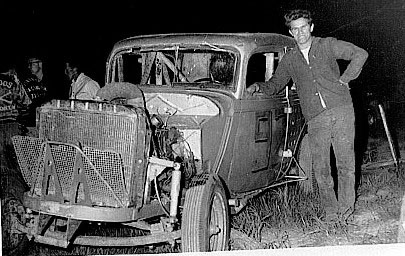
Ted_Brown_ClaremontJalopy

©2014 Ken Finton

Clay said: You’ve heard about the type of guy who’s always gettin’ in trouble, just one fix after another without any in betweens––like the driftin’ cowboys on TV westerns, sort of tall and quiet, but trouble follers after ‘em like a friendly pup. Anyway, my life ain’t been quite the same since I  met up with him.

His name was Penrod Applehand. What God in the heavens ever saddled him with a name like that, no man knows.

It’s not that the trouble doesn’t really come to him from his own makin’,  mind you. It’s sort of like he drags trouble around behind him and every time he slows down it wheels up and cracks him on the back.

Tell you how I met him, now that I’m a-thinkin’ of it. I remember it was a dark night late last fall when the wind was a-whistlin’ through the trees like a teakettle a-boilin’ on the stove. The temperature had skidded down to nearly freezin’. The frost would have been on the pumpkin fer sure, but it was too late for pumpkins. All the pumpkins we had ‘round had been hollered out fer Halloween and was all dried up and rottin’ away on the manure piles. We live out on the edge of town near the railroad track, so we can keep chickens and an old milk cow without the town council or the health department complainin’ too bad. We got a few neighbors, but it ‘s just a stone’s throw from our place to the open country.

Anyways, I was a-sittin’ home that Fall evenin’, real tired and all snuggled up in my clothes with my feet on the stove when I heard this knockin’ come at the door. Right away I knew it was somebody there at the door because of this knockin’, you see.

I got up and walked out to the hall in my stockin’ feet, peekin’ through the darkness to see who I could see. Well, some danged fool had dropped as thumb tack and I stepped on the fool thing. 

The pain started up my foot and crawled over my knee. ‘Fore I knew it,  it come up into my lungs and come a-whizzen out in a whoppin’ scream that made Sis’s hair to curl. She ought to have thanked me for curlin’ her hair—God knows, it needed it—but she didn’t speak to me for three days after that, so I don’t know if she was happy about it or not.

Well, I went over to the door and there was this guy ‘bout my age, but a mite taller and a mite thinner than me. I told him to come in a second while I pulled the thumb tack out of my foot. He said ‘okay’ and stepped inside. I flicked on the light and sat down on the floor to tryin’ to pull that darned tack out. 

Sis came into the hall, her hair all curled and her face chalk white. This guy, he took off his hat. It was  one of those hats they use to climb mountains with–a big turned down brim and a big red feather that helps you to keep your balance when you’re a-roostin’ up there on them rocks. Sis smiled at this feller, but didn’t even look at me, so I said, “Christ, that hurts,” and she said, “Shut your mouth.” It made me feel better that somebody knew I was a-hurtin’. 

The guy said he had a flat tire and didn’t have a jack in his car. Now, I’m always ready to help a guy in trouble, so I offered to pull my car over, give him a little bit of light to work by and let him borrow my jack. He said he’d be very much obliged, so I started off to get my car while he and Sis walked out to the road.

His car was pulled off to the side of the road on a grade, almost tipped over. One tire was flat, but the others looked all right. Sis said she thought he could drive it ’cause it was only flat on one side. 

He laughed and thought she’d made a joke, only Sis wasn’t jokin’. She’s stupider than me sometimes. 

I pulled my car ‘round in front of his’n and pulled the throttle out a little so the battery’d stay up with the lights on, then I fished the jack out of my trunk. Lord, the wind got bitter all of a sudden.

We started jackin’ up the car, but the dirt was pretty soft and the jack kept a-slippin’ and a-goin’ crooked. Finally, though we got the car up and pulled the tire off. It had a nail stickin’ between the treads. That started as to thinkin’ ‘bout that thumb tack I ran in my foot and my foot got pretty sore just thinkin’ about it. “Christ, that hurts,” I said.  Sis said, “Shut your mouth.” She don’t say much other than that.

Right then the engine in my car started to pop and whinny a little, then it gasped one big breath and died. I tried to start it up again, but the starter just whined away and the motor wouldn’t take hold.  I looked at the gas gauge and figured out my trouble. I cranked down the window and hollered out: “Hey, you guys, I’m out of gas.” They started to laugh and I got a little hot under the collar. It wasn’t  that funny.

Just then I heard a crash like a sack of potatoes fallin’ off the kitchen table and onto the floor. I hopped out of the car and looked around. The jack had slipped off this other guy’s car and the car had come down. The handle of the jack was stickin’ up through the fender just as pretty as could be. It was my turn to laugh.

This other guy was a-laughin’ too. “It won’t hurt this car any,”  he said, but how do I get it back up?”

“Call a tow truck,” I said.

“I couldn’t  pay for it.”

We sat there a-laughin’ and tryin’ to figure out what to do until we got good and cold and had to go back into the house to warm up a mite. Later on we hammered the jack out from under the car and  got the car back up so as we could put the spare on.

He told me his name then, Penrod Applehand. I had a hard time keepin’ a straight face. He said he was new in town and worked in a factory over there across the railroad tracks.

Well, we got both cars a-runnin’ again and started up a real fast friendship. Sometimes I think there is a little bit of courtin’ goin’ on ‘tween Sis and Penrod, but I can’t tell for sure.  Still, I can’t get used to that name of his’n.  I’d shorten it to Pen, but it just wouldn’t sound right.

I saw quite a bit of Penrod after that. He was by our house off and on all winter long, but we really didn’t get out ‘til after the snow melted away and the sun started shinin’ warm again. Then, one day last Spring, Penrod had to take a trip over to Harding to see about a new job. Harding’s about a hundred and fifty miles, so he wanted me and Sis to ride along.

It was a real nice day for a ride, the sun a-shinin’ and makin’  everything golden.  An old man was  thumbin’ his way along the road and Penrod thought he’d do a once-in-a-lifetime good turn and pick him up. The old man sat in the back seat and for miles and miles he didn’t say much of anything. He was just a-lookin’ out on the countryside and smilin’ all inside his self. After we’d gone about a hundred miles, Penrod turned around and said, “Where do you want off,  Mister?”

The old man squinted his eyes and put his hand up to his ear and said, “Thank you, this will be fine.”

Well, there wasn’t nothin’ in sight, not a house or a barn or nothin’, just a lot of woods and fields and telephone poles. Penrod pulled his car over to the side, dropped the old man off, and we started up again.

Before long, we noticed that there was this car behind us. Penrod slowed down a little (I guess we was doin’ about seventy-five) and let the car catch up with us. It was one of those highway patrol guys, damn the luck. He flagged us over to the side and here was that old man sittin’ there in the front seat right up beside him. 

“You picked this man up,” the cop said, pointin’ back at the old man in the car.

“Yes, sir,” Penrod said. “We carried him all the way from Jasper.”

“Don’t you know kidnapping is a serious offense?”

“I didn’t kidnap nobody,” Penrod said.

“That’s tellin’ him, Penrod,” Sis said. “You tell him off good.”

I nudged Sis in the ribs so that she’d keep quiet.

“Get out of the car,” the cop said.

“Yes, sir,”  Penrod said. He started climbin’ out over Sis and me. The cop looked a little startled. 

“I said get out, not climb over on your girl friend’s lap.”

“I am gettin’ out,” Penrod said. “This door over on my side’s  stuck. It won’t open, see?”

“Well, get out some way before I get me a can opener.”

Penrod and the cop went over and sat in the cruiser a while. Pretty soon, he came back and said that the old man had walked away from a state hospital and the cop thought we were in on it.

Well, it took a mite of talkin’ to get out of that one, but finally, we got the cop to believe that we only picked him up because he was thumbin’ his way.

“It’s against the law to pick up hitch-hikers,” he said. “I’m gonna have to write you out a ticket for that. You’ll have to follow me out to the Justice of Peace to get it paid for. And while I’m at it, I’ll just give you another ticket for speeding.”

“I wasn’t speeding,” Penrod said. “This old car can’t go too fast. Listen here.” He started up the engine. He must of forgot about that broken muffler, ‘cause it sure sounded bad.

“Uh-huh… driving with a broken muffler, too.”

“It must of just broke while we was a-sittin’ here,” Penrod said.

“The way you was weavin’ all over the road, I’ll give you a ticket for reckless drivin’ too,” the cop said.

“But I wasn’t drivin’ reckless. My wheels are a little out of line, that’s all.”

“Maybe I ought to give this car a safety check.”

“Oh, no, sir,” Penrod said.

“It would never pass it,” Sis said. I nudged her in the ribs.

 “Follow me,”  the cop said.

Well, we followed him all right, almost twenty miles along those crusty dirt roads back to a log shanty stuck alone out in the woods. There was a little sign a-hangin’ in front of the cabin sayin’ Justice of  Peace.

Inside the shanty, there was this man, sort of crumpled up and fat at the same time. He had the worst case of shakes that I ever saw in a body. He could hardly raise his bottle up to his lips without sloppin’ some on his vest.

“Hank, I’ve got some more business for you,” the cop sald.

The judge didn’t waste no time. “Court is now in session,” he said, between sips.

“Speeding is one offense. Ninety miles an hour in a fifty mile an hour zone…”

“My car won’t even go ninety,” Penrod said.

“I can find somethin’ else wrong with that car if’n you don’t shut up.”

“… yes, it will, too,” Penrod said.

“Also,” the cop said, “he picked up a hitch-hiker, drove reckless and he’s  got a noisy muffler. What do you figure we ought to get off this one, Hank?”

“Well, John, I don’t know,” the Judge said, thumbin’ his way through a little black book. It looked like a Bible, but it was pretty wore, so I knew it wasn’t a Bible. It was prob’ly one of those law books. 

“I’d say that it ought to be worth fifty dollars.”

“I reckon so,” the cop said. “And then some.” 

“Seventy-five,” the judge said. “Seventy-five plus costs.”

“But I ain’t got seventy-five dollars,” Penrod wailed.

“You got somethin’ we could take in trade?”

Penrod looked at Sis. I did too. 

“Oh, no,” she said. “You ain’t tradin’ me.”

“How much you got, kid?” the Judge asked.

“Fifteen bucks.”

“Wait a minute, let me figure,” the Judge said, pickin’ up a piece of paper. Fifteen from seventy-five leaves sixty dollars. Sure you ain’t got any more?”

“Not a red cent.” 

“Sixty dollars and the costs are hereby suspended.” the Judge said. “It’ll cost you fifteen dollars.”

Penrod opened his mouth fixin’ to argue some more, but I nudged him in the ribs and said, “That’ll be just dandy, Judge.” 

That ended the trip to Harding. We didn’t have enough money to get the rest of the way. On the way back some old man was thumbin’ his way along the road, smilin’ all inside himself.

We went right on by.

Yes, sir, I believe ol’ Penrod finally learned his lesson about pickin’ up hitch hikers, but he’ll never learn about cars. Sometimes I believe, honest-to-God, that he has pistons in his stomach and fuel pumps as kidneys.

We got this neighbor that lives near the railroad tracks who buys a new car every year. He came home one day last week with one of those sleek, new, shiny red cars that caught everybody’s eye, especially Penrod’s.

“Do you think you could get Mr. Powell to let me drive his car?” Penrod asked.

“Well, I don’t know,” I said. “He don’t generally…”

“Listen. Tell him I’m a mechanic from Harvey’s Garage and we have to take the car out for a thousand mile test. That way we’ll be able to git it.” 

“That might work,” I said.

“That ain’t all,” Penrod said. “I know where there’s a car just like that, only it’s been smashed up a little. The whole front end’s all caved in, but it still runs. What we’ll do is this…”

The next day I went over to Mr. Powell’s place. He was out in his yard pickin’ dandelion greens. “Hello, Mr, Powell,” I said. “How are the greens this year?”

“Fine, Clay, just fine. A little ruffage for the stomach. Makes a body feel as frisky as a colt.”

“You’ve got to boil ‘em in two sets of water,” I said. “Pour the first pot off and boil ‘em again and then they’re pretty sweet.”

“Did you see my new car, Clay?”

“Yes, sir. By the way, I was down at the garage today and one of the guys was a-tellin’ me that they’re gonna send a man out to take it for a thousand mile test.”

“A thousand mile test?”

“Yes, sir. It’s somethin’ new that they just came up with. They always take a car out for a thousand mile test. That way they can tell if everything’s right—if the horn needs fixin’ or the fuel pump’s bad.”

“That sounds like good business,” Mr. Powell said. ‘That company is on the ball and that’s what I like to see. People on the ball. They make the world go ‘round.”

Right about this time, Penrod came a-struttin’ down the road wearin’ his usual faded jeans and grease-stained shirt. He came up into the yard lookin’ so innocent and serious that I couldn’t help but laugh a little.

“Mr. Powell,” he said. “I’m from Harvey’s Garage. It’s about time for the thousand mile checkup.”

“Yes, Clay here has been tellin’ me about it. Good business, I say. Very good business. You’ll find the key in the ignition switch.”

“Want to come along, Clay?” Penrod asked.

“You bet,” I said. I wasn’t about to miss this one.

Penrod revved up the engine and pulled out of the driveway. “It worked,” he laughed. “Just like a charm.”

“Don’t you think Mr. Powell will get the cops on you?”

“Nah, leave it up to me.”

We drove out Highway 26 to Ball’s wrecking yard. One of the guys from the yard crew was a-workin’ on a transmission out in front of the building. 

“You got the car ready?” Penrod asked.

“Sure thang,” this fellow said. He smiled and his teeth stood out against his greasy face and his gums showed somethin’ horrible. He opened a rusty gate and we follered him out behind the building where a new car just like Mr. Powell’s was a-sittin’. A guy couldn’t hardly tell the difference between Mr. Powell’s car and the one that had been wrecked.

“You’ll have to bring it back before the boss gets back from lunch,” the guy with the greasy face said. “The boss’ll really be burnin’ if he finds out what’s cookin’.”

Penrod got into the wrecked car and motioned me inside.

“Thanks, Toothy,” he said. I’ll be back ‘fore long. If your boss does get back, just tell him I’m thinkin’ of buyin’ this car and fixin’ it up, so you let me take it out to see how it drove.”

The front shocks was broke and so was one of the springs. The whole front sagged way down and the hood was crumpled clean up to the windshield.

We drove slow back to Mr. Powell’s. He was still out huntin’ for dandelion greens when we got there. His head was bowed down and he was cuttin’ away with his putty knife.

Penrod turned in the drive and the wheel rubbed on the fender. The bumper grated on the gravel. Mr. Powell looked up, his mouth fell open and he dropped his putty knife. We pulled to a stop and he just set there on his haunches with his mouth hangin’ wide open, big enough for a coon dog to hop into.

Penrod got out of the car. “I had a little trouble, Mr. Powell.”

Mr. Powell’s whole face just sorta sagged. I couldn’t help myself. I  started to laugh and had to cover up my face with my hands. Penrod, well, he didn’t even crack a smile. I don’t know how he did it.

“Your car’s in fine mechanical order,” he said. “Or–it was, anyway. You need a little body work, but I know where you can get somebody to do it right cheap. It’ll prob’ly only cost around seven hundred dollars or so.”

Penrod turned around to me. “Ready, Clay?”

I hopped out of the car and walked over to him, keepin’ my grin under my hands and pretendin’ I was a-wipin’ my nose.

“We’ll  see you when it’s time for your two thousand mile checkup,” Penrod said.

Mr. Powell didn’t say a word. He just stared at the car with his mouth open and kept pinchin’ himself every now and then.

Since my house was right next door, we went over to my place and ‘fore long I heard Mr. Powell slam the door and go into his house. We could hear him just as plain as could be. “Martha, pour me a glass of lemonade. I have a murder to commit.”

It all seems a mite funny now, but at the time it was somethin’ else. Penrod and I went back to the wrecking yard and picked up Mr. Powell’s car. We drove it back to Mr. Powell’s. There he was a-sittin’ out on his steps with his shotgun laid across his knees, just a-starin’ at the wrecked car.

Penrod pulled into the drive and drove the car out onto Mr. Powell’s lawn. “Oh-oh, you shouldn’t  have done that,” I said. “Mr. Powell’s awful proud of his lawn.”

Mr. Powell came up beside the car carryin’ his shotgun and Penrod just sat there behind the steerin’ wheel with that weird grin of his plastered all over his face. 

“You didn’t wreck my car after all?”

“No, sir. It was just a joke.”

“You pulled up on my grass.” 

“I’m sorry, Sir,  Penrod said. “I’ll back it out on the street.”

He put it in reverse and spun the tires, takin’ a big hunk of Mr. Powell’s lawn with him. Penrod got out of the car. “I hope there ain’t no hard… Eeeps!”

Mr. Powell fired the shotgun straight into the air and bellowed like a bull. He charged straight at Penrod, swingin’ that gun of his’n like a club. I shut my eyes and started a-prayin’. When I looked up, they were runnin’ down the street, Penrod runnin’ for dear life and Mr. Powell right behind him still swingin’ that shotgun. For an older guy, Mr. Powell could sure run. I watched until they ran out of sight and then went home and sat down to keep my knees from a-shakin.

Well, Penrod got out of that one without much harm, but cars are gonna be the death of him yet. Just last Sunday he dropped by while Sis was finishin’ up the dinner dishes. 

“Let’s take my car out for a drive,” he said. “I just spent every last dime that I ever had puttin’ new pistons, mains and piston rings in. Let’s see how the ol’ babe runs now. 

“That car of yours won’t get us nowhere,” Sis said. “It’s dangerous to even be in it.”

It didn’t take much persuadin’ to get Sis in the car. She took the same seat she usually does, right next to Penrod–leavin’ me by the window. We were all set, waitin’ fer Penrod to get in. 

“Everybody out,” he said.

“What for? Let’s go.” 

“You gotta let me in. That door on the driver’s side won’t open. Remember? It’s stuck.”

We got out and Penrod scooted over behind the wheel. The engine started hard, but we finally got it goin’ and pulled out onto the road. Trouble was that we didn’t get any farther than the railroad tracks. Penrod went to slow down and it stalled the engine right on the tracks. He pushed on the starter and the engine growled. “Darn new rings and bearings make the motor tight,” he said. “I don’t think I can I get it started.” 

“Well, this is a beautiful place to stall out,” Sis said., “right on the railroad track. What would happen if a train…”

Well, we didn’t have to wait long to find out. Right then, the two o’clock express hooted and came into sight about a quarter of a mile down the track.

“Get out,” Penrod said. “Get back real far and I’ll try to get this thing started.”

Sis and I  hopped out. Sis got back and I started, pushin’ on the car while Penrod kept a-pushin’ on the starter. It wouldn’t budge. The train was really a-movin’. I could hear the wheels hummin’ on the rails.

“Put it in gear,” I yelled, “and let out on the clutch. Maybe it’ll move by the battery alone.”

Penrod put it in gear, but the battery was too low by now. It stopped completely. The train was a-gettin’ too close for me to stay any longer. I ran back a little toward Sis. Penrod was still in the car pushin’ away at the starter. Before long, I  couldn’t hear the hum of the starter over the roar of the train. 

“Jump, Penrod!  Jump!” Sis yelled.

I ran up toward the car so I could holler better. “Penrod, you fool. Get out of there.” 

The train was only about two hundred feet away. Penrod gave up and jumped out of the car. Before he got as far as me, the train hit and the car sailed up in the air, the front part landin’ on one side of the tracks and the back part bein’ throwed a hundred feet down on our side of the tracks.

Penrod came up beside me all out of breath. “There went my car,” he said.

Sis came runnin’ up behind us. The train was a-slowin’ down and stoppin’. “Penrod,” Sis said, “are you all right?” 

“Fit as a fiddle,” he said.

“It’s a good thing that door opened when you needed it,”  she said.

Penrod had forgot about the door bein’ stuck. So had I.

“My God,” he said. “That was a close one.”

“Sure enough,” Sis said.

 “Somebody up there must love me,”  Penrod said.

That didn’t sound right to me. “I think somebody down there don’t want you,” I said.

“Oh, shut your mouth,” Sis said.

She don’t say much other than that.


JAMES WHITCOMB RILEY

The Hoosier Poet


VIDEO AUDIO
FALSE COVER OF POEMS OF CHILDHOOD  COVER OF POEMS OF CHILDHOOD
FALSE Pictures of Riley
FALSE TOMB STATUE
FALSE ILLUSTRATION OF STORY TELLING. An’  the Gobble-uns ‘ill git you. ef you don’t watch out.
FALSE These words from his famous poem about LIttle Orpant Annie framed the entire career of this famous Hoosier poet)
FALSE Pictures of Riley NARRATOR
FALSE
FALSE Log cabin and Greenfield footage James Whitcomb Riley, like Abe Lincoln,  was born in a log cabin. He was born in the heartland of the Indiana farmland near the town of Greenfield eleven years before the American Civil War began.
FALSE James was born on Oct 7, 1849, which was, by coincidence, the same day that Edgar Allan Poe died.
FALSE Video of Main Street today
FALSE
FALSE old Main street Main Street  in Greenfield was the National Road that wound through farms and forested lands on its way to California and points West
FALSE Reuben pix Riley’s father, Reuben, was a lawyer and politician.
FALSE RILEY PHOTOS
FALSE CAPITOL Greenfield was but a day’s ride from the capital city in Indianapolis.
FALSE
FALSE national road In 1848, the year before James was born, his father Reuben was elected as a Democrat to the Indiana House of Representatives. Reuben became good friends with James Whitcomb, the 8th governor of Indiana, so he named his second son after him.
FALSE
FALSE Pic of  Liz or gravestone and kitchen footage from house. His mother, Elizabeth, was a story teller who wrote poetry as well. She baked in a hearth oven and sometimes wrote her poetry at the kitchen table while and raising her growing bevy of children.
FALSE HOUSE IN GREENFIELD
FALSE When Riley was still quite young, his father began building another home for the family in Greenfield. This is the home where James grew up.
FALSE
FALSE GWEN BETOR SHOWING LIVING AREA It is now open as a museum and manned by historical society volunteers who take thousands of visitors on tours every year.
FALSE
FALSE James schooling was sporadic. He did not graduate the eighth grade  until he was twenty-one in 1869.

His mother taught him to read and write at home, but he eventually went to a local schoolhouse.

Riley was the first to admit that his schooling had suffered. He did not know much about mathematics, or science, as he was not interested in these things.

FALSE
FALSE His parents began to worry that James would never amount to much. He   simply would not learn history, science or mathematics.
FALSE
FALSE A teacher once asked him where Columbus sailed on his second voyage and Riley replied that he did not even know where he sailed on his first voyage,

Riley was fond of saying, “I don’t take no credit fer my ignorance – jest born that-a-way,.”

FALSE
FALSE LITTLE ORPHANT ANNIE WAS ONE OF RILEY’S FAMOUS CHILDREN POEMS. IT WAS WRITTEN ABOUT A HIRED GIRL NAMED MARY ALICE SMITH THAT CAME TO WORK FOR HIS PARENTS WHEN HE WAS YOUNG. WE HAVE AN OLD RECORDING OF RILEY READING THIS POEM:
FALSE CLIP OF FURNISHINGS … NO CHILDREN ALLOWED TO MESS IT UP
FALSE JAMES WAS FEARFUL OF THE SPACE IN THE ATTIC WHERE TWO EYES OF LIGHT SHOWED THROUGH FROM HOLES IN THE ROOFING.
FALSE
FALSE CLIP OF TOUR GUIDE TALKING ABOUT RILEY’S SCHOOLING GUIDE: James tried to please his father and study the law books but his mind just kept wandering.   Those poems just kept jumping in this head, and when he grew up Reuben couldn’t understand why he did not grow out of this phase. Poetry was a thing back then. Both His Mother and Dad did it, but then they grew up and they stopped.  James  didn’t like to work, he was a daydreamer, he liked to go outside and wander around. When James became big, what did those people see he him?  He’s a lazy guy.
FALSE
FALSE RILEY PHOTO AND PICTURES OF BOOKS FOR A LAZY GUY, JAMES WHITCOMB RILEY SURELY KEPT HIMSELF BUSY WRITING BOOKS AND COLLECTIONS OF POETRY.
TRUE  
TRUE When Riley was ten the first library was opened in Greenfield. He developed a real love for literature.
TRUE James and his friends  became friends with the librarian who told them stories and read them poems. One of James’ favorite authors was Charles Dickens . Some of his poems were inspired by Dickens, such as “CHRISTMAS SEASON’  and GOD BLESS US EVERY ONE.
TRUE MISC STILLS Poetry was not just an exotic taste in literature in Riley’s day.  It was read by the common men and women of the nation. Poetry offered the reader a form of self-reflection, an expression of  their personal hopes and aspirations. It was printed in of newspapers and read by public speakers.  Poetry served as entertainment for the masses. In Riley’s time, reading poetry was as common as watching television or clicking on Internet websites.
FALSE Fairbanks Tea Party photo Riley was known as a humorist and a prankster. One of his pranks may have had the effect of electing William Howard Taft to be President of the United States. President Roosevelt was a friend of Riley’s. A t a famous tea party in Indianapolis, Riley reportedly spiked the punch. The Hoosier Vice President, Charles Warren Fairbanks got tipsy at the party and gained the reputation of being a ‘lush’ during a time of prohibition sentiment. As a result, Fairbanks was passed over as Teddy Roosevelt’s pick for vice president and Taft was picked instead. Taft later succeeded Roosevelt to the Presidency.
FALSE Mark Twain ) said James Whitcomb Riley’s “Old Soldier’s Story”  was the funniest story he ever listened to and considered Riley America’s number one humorist.
FALSE “I heerd an awful funny thing the other day – Ha! Ha! I don’t know whether I kin git it off or not, but, anyhow, I’ll tell it to you. Well! – let’s see now how the fool thing goes.
FALSE Oh, yes! Why, there was a feller one time – it was during the army and this feller that I started in to tell you about was in the war and – Ha! Ha! – there was a big fight agoin’ one, and this feller was in the fight, and it was a big battle and bullets aflyin’ ever’ which way, and bombshells abustin’ and cannon balls aflyin’ ‘round promiscuous; and this feller right in the midst of it, you know, and all excited and heated up, and chargin’’ away; and the first thing you know along comes a cannon-ball and shot his head off – Ha! Ha! Ha!
FALSE Hold on here a minute! No, sir! I’m agettin’ ahead of my story.
FALSE No No! It didn’t shoot his head off. I’m gettin’ ahead of my story.
FALSE Shot his leg off. That was the way. Shot his leg off.
FALSE And down the poor feller dropped and of course in that condition was perfectly helpless, you know. But he did have the presence of mind enough to know that he was in a dangerous condition if something wasn’t done for him right away.

So he seen a comrade achargin’ by that he knowed, and he hollers to him and called him by name – I don’t remember now what the feller’s name was… Well, that’s got nothin’ to do with the story anyway.

FALSE He hollers at him, he did, and says, “Hello, there,” he says to him; “Here! I want you to come here and give me a lift. I got my leg shot off and I want you to pack me back to the rear of the battle.” That’s where the doctors is during a fight you know.
FALSE And he says, “I need attention or I’m a dead man for I got my leg shot off,” he says, “and I want you to pack me back there so’s the surgeons can take care of me.”

Well – the feller, as luck would have it, recognized him and run to him and throwed down his own musket so’s he could pick him up.

FALSE And he stooped down and picked him up and kind of half-way shouldered him and half-way held him between his arms like, and then he turned and started back with him – Ha! Ha!
FALSE Now, mind, the fight was still agoin’ on – and right at the hot of the fight, and the feller all excited you know like he was, and the soldier that had his leg shot off getting kinda fainty like, and his head kinda stuck back over the feller’s shoulder that was carryin’ him.
FALSE  
FALSE And the most curious thing about it was – Ha! Ha! – that the feller was apackin’ him didn’t know that he had been hit again at all, and back he went – still carryin’ the deceased back – Ha! Ha! Ha! – to where the doctors could take care of him – as he thought.
FALSE Well, his captain happened to see him, and he thought it was a rather curious proceedings – a solder carryin’ a dead body out of the fight – don’t you see?
And so the captain hollers at him, and he says to the soldier the captain did. He says, “Hello there. Where you goin’ with that thing?” That is what the captain said to the solder who was acarryin’ away the feller that had his leg shot off. Well, his head too, by that time.
FALSE “So he says, “Where you going with that thing?”
FALSE Well the soldier he stopped – kinda halted – you know like a private soldier will when his presidin’ officer speaks to him – and he says to him, “Why,” he says, “Cap. It’s a comrade of mine and the poor feller has got his leg shot off, and I’m a packin’ him back to where the doctors is . And there was nobody to help him, and the feller would have died in his tracks – or track rather – if it hadn’t been for me. I’m packin’ him back where the surgeons can take care of him, where he can get medical attendance or else his wife’s a widow for sure,” he says.
FALSE Then captain says, “You blame fool you. He’s got his head shot off.”

So then the feller slacked his grip on the body and let it slide down to the ground, and looked at it a minute, all puzzled, you know, and says, “Why he told me it was his leg!””

FALSE
FALSE One of the poems attributed to James Whitcomb Riley was never included in his published works.  It was called “The Passing of the Outhouse.”
FALSE      The older generations know what an outhouse is but perhaps the younger do not.  It is an outdoor toilet.  Every country home had an outhouse.
FALSE THE PASSING OF THE OUTHOUSE
FALSE James Whitcomb Riley
FALSE  
FALSE out house We had our posey garden
FALSE That the women loved so well.
FALSE I loved it too but better still
FALSE I loved the stronger smell
FALSE That filled the evening breezes
FALSE So full of homely cheer
FALSE And told the night-o’ertaken tramp
FALSE That human life was near.
FALSE On lazy August afternoons:
FALSE It made a little bower
FALSE passing 2 Delightful, where my grandsire sat
FALSE And whiled away an hour.
FALSE For there the summer morning
FALSE Its very cares entwined.
And berry bushes reddened
FALSE In the teeming soil behind.
FALSE All day fat spiders spun their webs
FALSE To catch the buzzing flies.
FALSE That flitted to and from the house
FALSE Where Ma was baking pies.
FALSE And once a swarm of hornets bold
FALSE Had built a palace there.
FALSE And stung my unsuspecting aunt –
FALSE I must not tell you where.
FALSE Then father took a flaming pole
FALSE That was a happy day –
FALSE He nearly burned the building up
FALSE But the hornets left to stay.
FALSE When summer bloom began to fade
FALSE And winter to carouse,
FALSE We banked the little building
FALSE With a heap of hemlock boughs.
FALSE But when the crust was on the snow
FALSE And the sullen skies were gray,
FALSE In sooth the building was no place
FALSE Where one could wish to stay.
FALSE We did our duties promptly;
FALSE There one purpose swayed the mind.
FALSE outhouse We tarried not nor lingered long
FALSE On what we left behind.
FALSE The torture of that icy seat
FALSE Would made a Spartan sob,
FALSE For needs must scrape the gooseflesh
FALSE With a lacerating cob.
FALSE That from a frost-encrusted nail
FALSE Was suspended by a string –
FALSE My father was a frugal man
FALSE And wasted not a thing.
FALSE When grandpa had to “go out back”
FALSE And make his morning call,
FALSE We’d bundled up the dear old man
FALSE With a muffler and a shawl.
FALSE I knew the hole on which he sat
FALSE Twas padded all around,
FALSE And once I dared to sit there;
FALSE Twas all too wide, I found.
FALSE passing 3 My loins were all too little
FALSE And I jack-knifed there to stay;
FALSE They had to come and get me out
FALSE Or I’d have passed away.
FALSE Then father said ambition
FALSE Was a thing small boys should shun,
FALSE And I must use the children’s hole
FALSE Till childhood days were done.
FALSE But still I marvel at the craft
FALSE That cut those holes so true;
FALSE The baby hole and the slender hole
FALSE That fitted Sister Sue.
FALSE That dear old country landmark!
FALSE I’ve tramped around a not
FALSE And in the lap of luxury
FALSE My lot has been to sit,
FALSE But ere I die I‘ll eat the fruit
FALSE Of trees I robbed of yore,
FALSE Then seek the shanty where my name
FALSE Is carved upon the door.
FALSE I ween the old familiar smell
FALSE Will soothe my jaded soul;
FALSE I’m now a man, but none the less
FALSE I’ll try the children’s hole.
FALSE The Old Swimmin’ Hole was a poem written by James Whitcomb Riley. H wrote it under the pen name “Benjamin F. Johnson of Boone County“. The poem was first published in 1883 as part of a book entitled The Old Swimmin’ Hole and ‘Leven More Poems. The poem is one of Riley’s most famous and perhaps the most  memorable. Riley reminisces about the Brandywine Creek where played with his friends during his boyhood. The poem has sold millions of copies.
FALSE Oh! the old swimmin’-hole! When I last saw the place,
FALSE The scenes was all changed, like the change in my face;
FALSE The bridge of the railroad now crosses the spot
FALSE Whare the old divin’-log lays sunk and fergot.
FALSE And I stray down the banks whare the trees ust to be—
FALSE But never again will theyr shade shelter me!
FALSE And I wish in my sorrow I could strip to the soul,
FALSE And dive off in my grave like the old swimmin’-hole.
FALSE James Whitcomb Riley loved children. Every year on Riley Day, the children from the Greenfield area have a parade and bring fresh cut flowers to the Riley statue, where they hand them to adults who decorate the statue with these cut flowers. So far as I know, this is a unique event.  What poet anywhere is revered and celebrated  with such enthusiasm and appreciation?

The Virginia Hillbillies


In memory of Zane Michelson, who drowned March 19, 2010. Starring Zane and Tasha, this funny skit was completely improvised on the spot and shot in one take without a script or a director. Shot in December 1998 on location in Rocky Mount, Virginia.

It is worth watching on YouTube just for the reading the comments this evoked.

FAILURE

unknown


FAILURE

I thought we did but we don’t
I thought we would, but we won’t
I thought we could but we can’t
I thought we should but we shan’t

I thought we might but we fight
I thought we sailed, but we railed
I thought we’d bail but we failed
It came to naught and we’re shot

So what’s the truth, really?

One day, when I was little, I was with my father in the bathroom while he was doing his daily grooming. Being the didactic father that he was, he wanted to teach me about all the right things to do in the world. He told me that, after removing the accumulated hair from the hairbrush, it was very important that I should never put it in the waste bin. There, it could too easily catch on fire and he urged me always to flush it down the toilet.

On a separate occasion, when I was with my mother in the bathroom during the daily grooming, I was told by her (being the didactic mother that she was) that I should never put hair in the toilet because it clogged the pipes. She urged that I should always use the waste bin.

In later years, when I began doing household chores on a regular basis, my father told me always to vacuum before dusting because the vacuum kicked-up dust onto the furniture. Of course, mother told me that I should always wipe the dust before vacuuming, because dust fell to the floor when wiped. (This should give you some insight as to what went wrong with me, but I digress.)

Their truths were perfectly logical and reasonable to them, even though they were conflicting in practice when applied by another. Since that time, I have learned that the best truth evolves from oneself. Truth is too relative to circumstance to leave its cultivation to someone regarded as “authority”, uninspected. We don’t always have that luxury as children, to inspect our authorities for truth, but we’ve all put on enough years now that we can be our own authors of truth. Maybe it is time for a reinspection. It’s OK to dump in the round file, or flush down the porcelain convenience, things that you have been told in the past. Even everything, if you find that it is not in actual fact producing results for you in the present. Because the truth is, our truths are how we shape this world.

Robin Griggs Wood's avatarthe MUSINGS of robin griggs wood

One day, when I was little, I was with my father in the bathroom while he was doing his daily grooming. Being the didactic father that he was, he wanted to teach me about all the right things to do in the world. He told me that, after removing the accumulated hair from the hairbrush, it was very important that I should never put it in the waste bin. There, it could too easily catch on fire and he urged me always to flush it down the toilet.

On a separate occasion, when I was with my mother in the bathroom during the daily grooming, I was told by her (being the didactic mother that she was) that I should never put hair in the toilet because it clogged the pipes. She urged that I should always use the waste bin.

In later years, when I began doing household chores…

View original post 200 more words

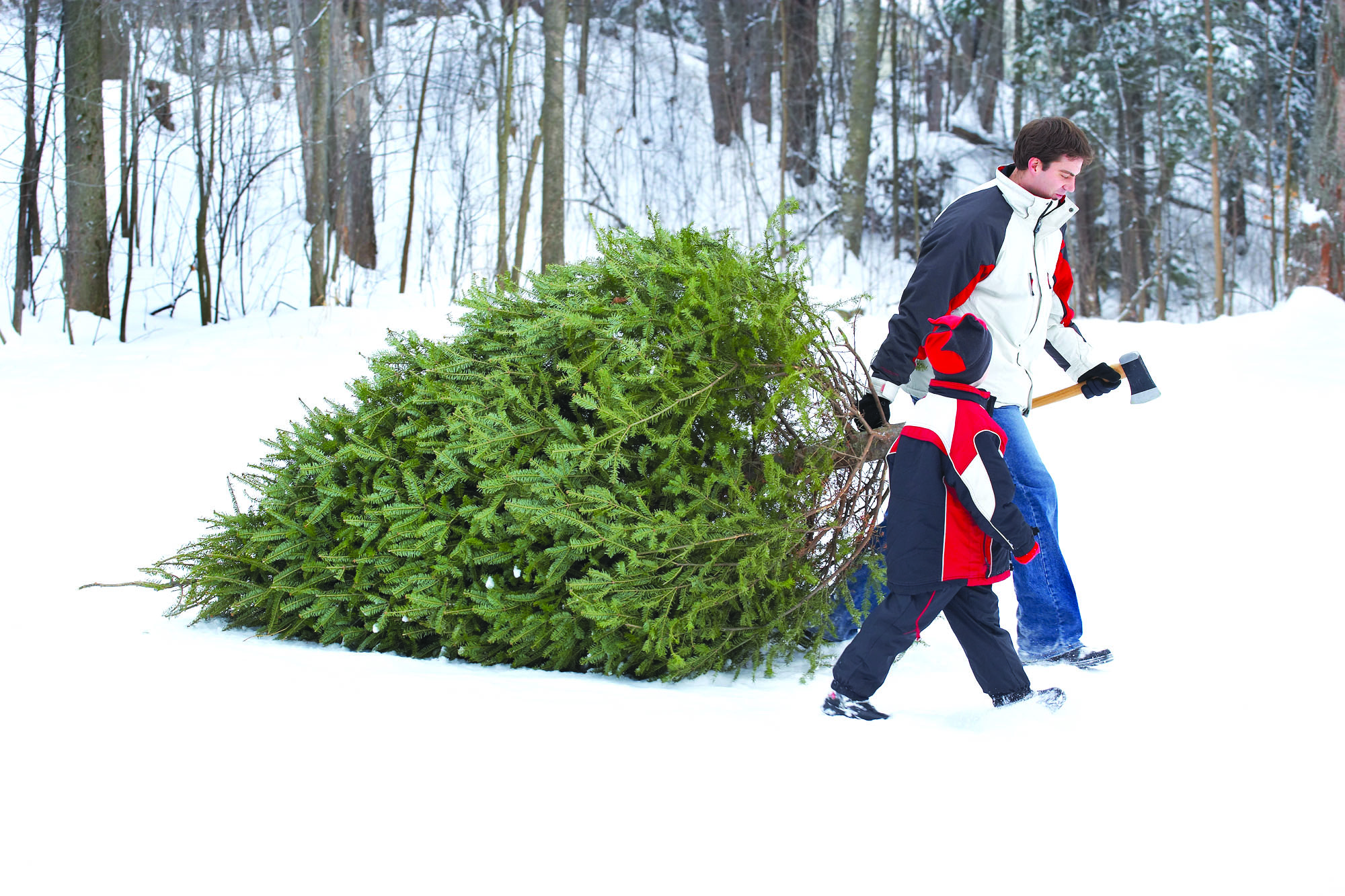
O CHRISTMAS TREE


christmas-tree


O CHRISTMAS TREE, O CHRISTMAS TREE

YOU  SMELL SO  FRESH AND SCENTED.

YOUR LOVELY LIMBS AND BRANCHES GREW

AND  YOU SEEMED SO CONTENTED.


I TRULY WISH THEY’D  LET YOU STAY

AS  YOU WERE IN SEPTEMBER DAYS,

A SHADY GREEN AND LIVING TREE

THAT WE COULD ALL REMEMBER.


O CHRISTMAS TREE, O CHRISTMAS TREE

YOUR TIME IS IN DECEMBER

FOR AFTER THAT, O CHRISTMAS TREE

YOU’LL SURE TO BE DISMEMBERED.


YOU TAKE AWAY OUR CO2

OUR ATMOSPHERE YOU DID RENEW

O CHRISTMAS TREE, O CHRISTMAS TREE

I WISH YOU’D MISSED NOVEMBER


GRANDMA’S HEALTH

1453664626546-c15

Grandma had a headache, but she treated her brain well by drinking Coca-Cola, and then, as she would tell, she gave some to my father … and he …in turn … to me.  She had her own traditions and she kept them to a tee.

Coke elixir with her liquor. She drank it straight or mixed, ’cause she was the kind of person that liked to see things fixed. She did not total all her tees, she did not shirk her pleasures. She also felt that earthly pain should not become a treasure.

1453664534570-c11When great-grandma had a toothache, Grandma knew just what to do. She bought those cocaine toothache drops and placed them on her tooth. She liked those folky remedies, she liked her living fables that let live her life as clean and right as she was able.
1453664413049-c5


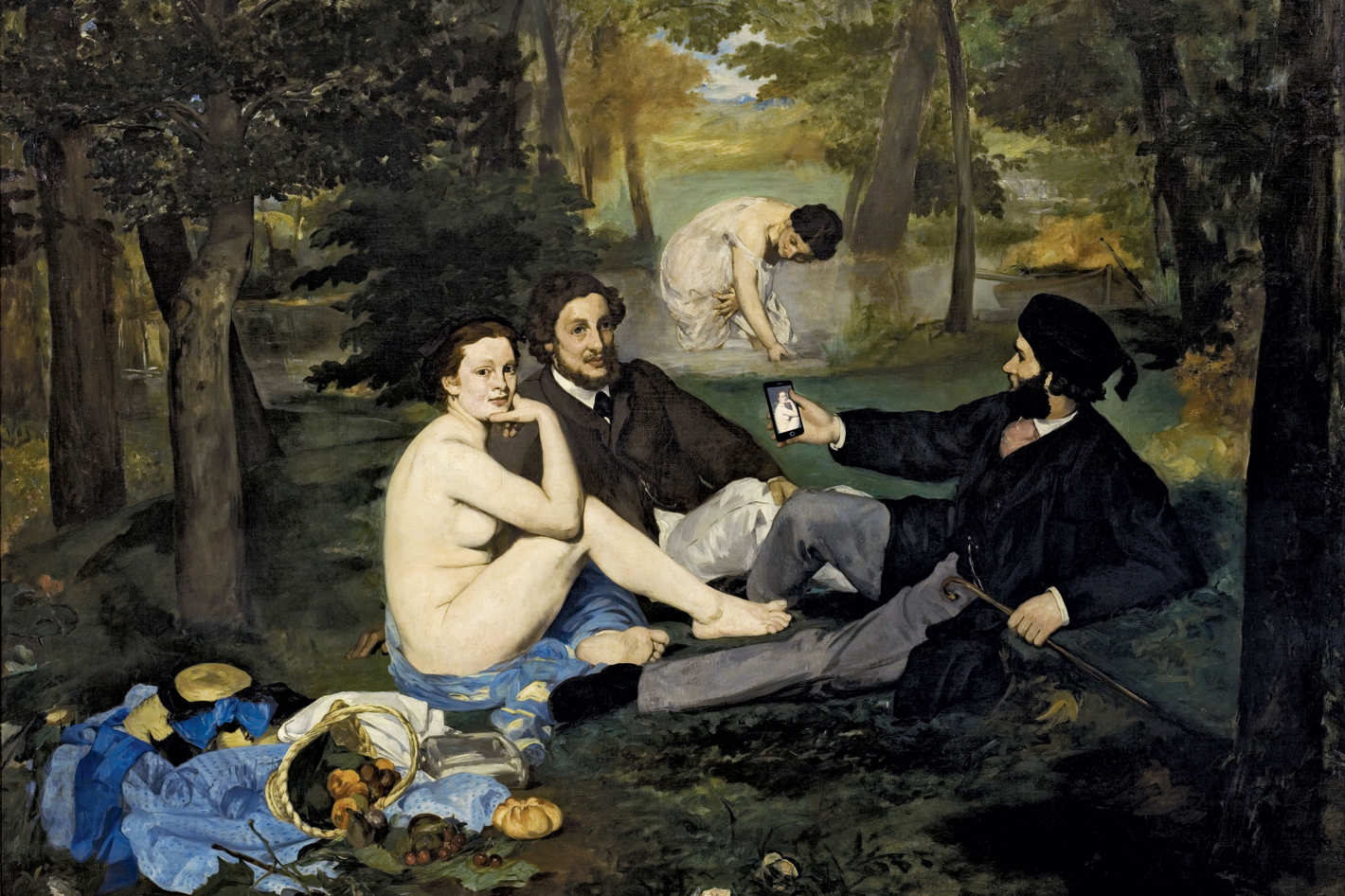
Manet’s Phone

manets-phone

Edouard Manet (1832-1883), Lunch on the Grass,1 863 Oil on canvas, H. 208; W. 264.5 cm, Paris, Musée d’OrsayEtienne Moreau Nélaton donation, 1906© RMN -Grand Palais(Musée d’Orsay) / Hervé Lewandowski

FAMOUS LAST WORDS

wow

Supposedly, both Steve Jobs and Bo Diddley’s last words were “Wow.”

Just before Humphrey Bogart died, his wife, Lauren Bacall, had to leave the house to go pick up the kids. “Goodbye, Kid, hurry back,” Bogart said. Maybe that was not the same as “Here’s looking at you, Kid,” but it is as close as he ever to got.

Grouch Marx quipped his way to the grave. His last words were: “This is no way to live.”

Some people get apologetic when they die. “I have offended God and mankind because my work did not reach the quality it should have,” said Leonardo da Vinci. The great artist must have died in a quite depressed mood.

Johnny Ace, an early rhythm and blues singer, died in 1954. He was playing with a pistol between sets and his last words were: “I’ll show you that it won’t shoot.”

Nostradamus predicted all the way to the grave. When he went to bed, he said, Tomorrow, at sunrise, I shall no longer be here.” And he was correct.

Few people are as classy as Marie Antoinette. On her way to the guillotine, she stepped on the door of the executioner and said, “Pardonnez-moi, monsieur.”

Everyone wants their final words to be memorable. Charles Gussman was an announcer and a writer who wrote the pilot episode for Days of Our Lives. He has always wanted his final words to be poignant and memorable, so his daughter reminded him of that as he lay on his death bed. Gussman removed his oxygen mask and with his best announcing voice exclaimed: “And now a final word from our sponsor.”

Every one who dies has last words. Most of us do not think about what they might be. I had no idea what mine might be. A big buck deer charged my car several weeks ago. I did not see him until he was about five feet from the car. I swerved and missed him, but I said, “Holy Shit,” as the image passed by my peripheral vision.

Since I say that often when I am shocked by events, I would not be surprised if they were my final words someday. It seems fitting enough: ‘Holy shit.”


The reference book Last Words of Notable People by William B. Brahms has more than 3500 famous last words.