I have kept journals most of my life. The idea was to record events and thoughts for posterity. A book form would be better; few buy books these days. Instead, this is a digital version.
It appears to me that if knowledge of the truth were known by all, the world would not exist. My focus at the moment is on the experience of the world and the world being one. The “one needs the other like a child needs a mother” was a line on one of my songs. Since there is basically nothing in existence but one ultimate reality, and that reality becomes the many, then the one needs the world as much as the world needs the one. If not, we would not even be talking.
What I was trying to relate is that the vibrational states that compose matter in the wave forms are basically like digital recordings. They encode information into chemical elements. They are read by the ‘laser’ of thought and organized into chemical compounds and organic structures. In this manner, events are recorded and strung together in strands to become experience. It is this experience that makes our world, local and universal.
It occurs to me that when you are talking about the life of a person and the meaning of the time they spend on earth, you are entering a gray area—a scary place that not many people like to go. You are talking about the evolution of a spirit—the changes that a lifetime makes in a soul. At the same time, you are being judgmental, revealing your own values, beliefs, and patterns of thought in your words and praises — judging how the other person stood up to your own peculiar beliefs and evaluations.
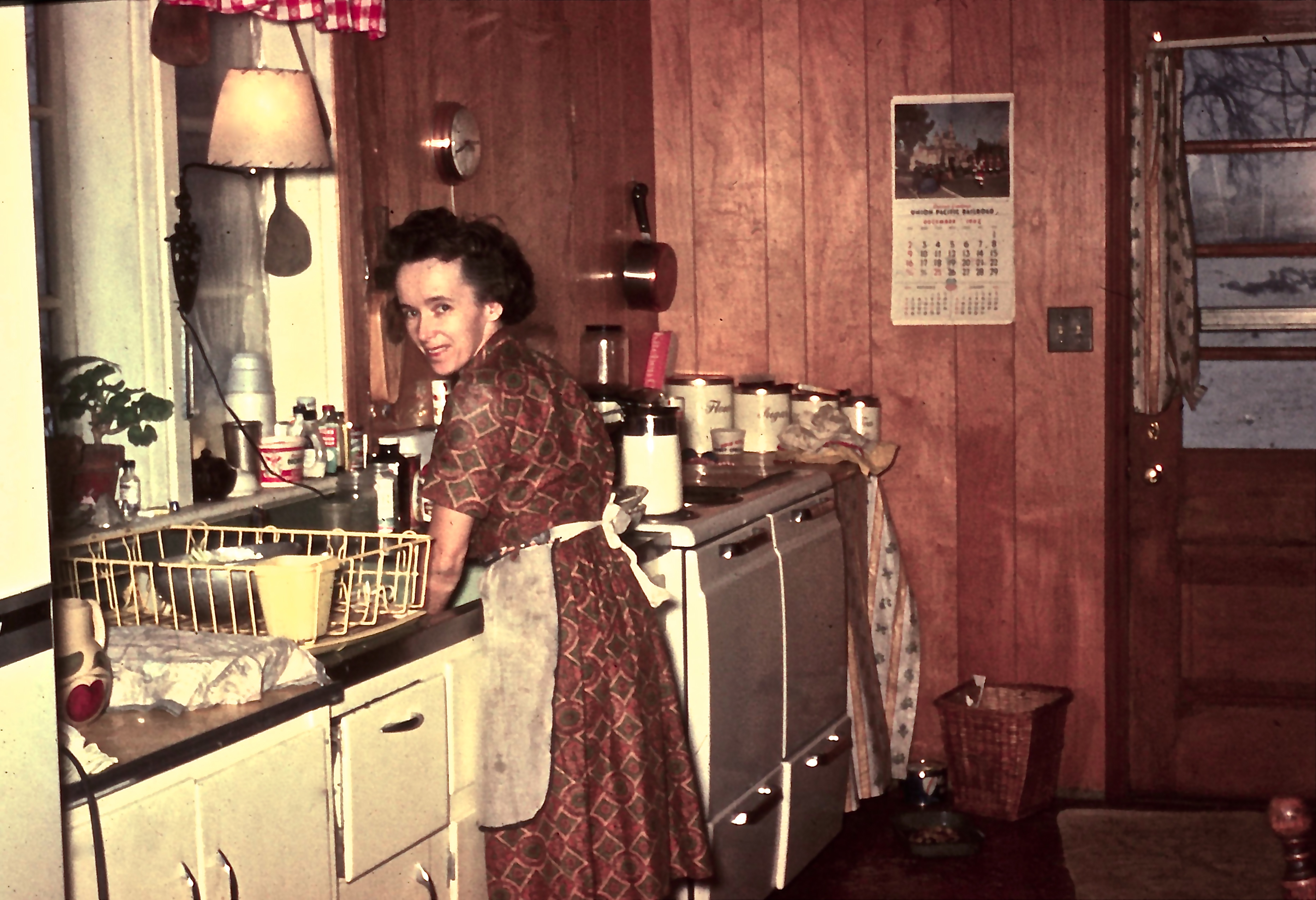
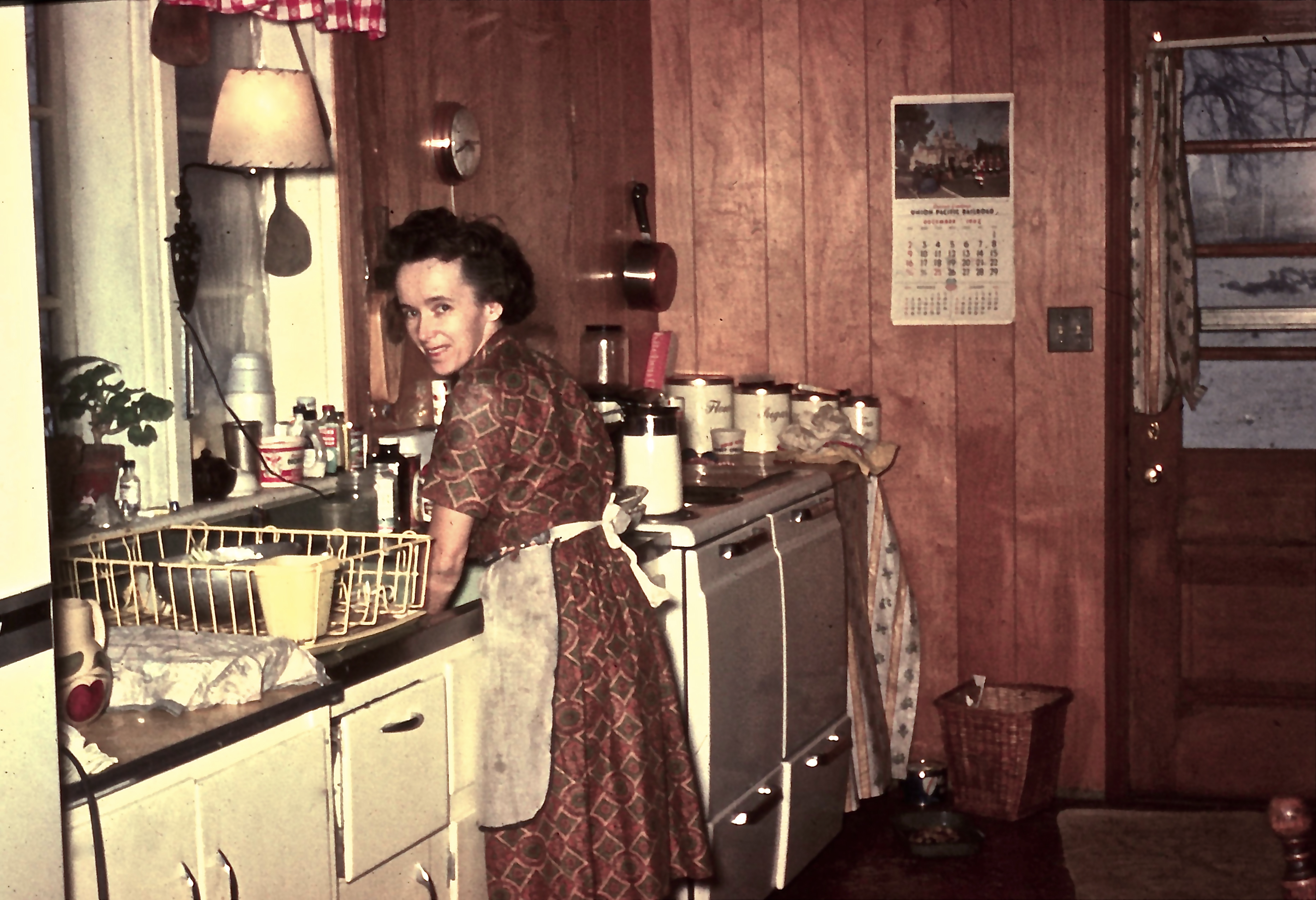
Maxine was one of those rare species of human beings who took pleasure in serving others. Not that she was totally selfless, as few of us are. Not that she was a saint, as none of us has perfect love, perfect lives, or perfect morals. Only the long-dead folks are made saints—and even then, it is only after the life they really lived has been selectively forgotten.
Born in Salem, Oregon, in October 1919 and living into January 2009, mathematically, Maxine was 89 years old when she died, but the view outside the window of her person was truly remarkable. She never knew her father, Clinton Byron Harper. He died of Spanish Influenza before she saw the first light of day. She was raised by her mother, Cora Mae Gilmour, a descendant of European royal families that never had the slightest taste or knowledge of the diluted bluish blood that flowed in her veins. Cora took in washing and did people’s laundry during the Great Depression. She struggled hard to raise her three daughters, Florence, Ruth, and Maxine. Cora left Oregon shortly after Maxine’s birth to live in the middle of the Kansas prairie with her father, Hedron Walker Gilmour, a short, thin and dapper man who loved the arts and entertainment. Hedron was an amateur magician and painter who became another big influence in Maxine’s early years.
After Maxine graduated from the Minneapolis, Kansas High School, she moved to Denver, Colorado, to live with her older sister Florence. She went to beauty school, though she rarely practiced the trade, just as her mother had gone through optometry school and never practiced that trade. Instead, Maxine waited tables on roller skates and went dancing with her friends as much as she could. It was at one of these dances that she met Ken Finton, an indisputably handsome man with Titian gold hair and a baritone voice to match those golden locks. He would become her husband of over 30 years and the father of her children: Kenny, Billy, and Jean Marie.
Ken would move her to Ohio, where they would spend their life together near his family. They were married on November 15, 1941. Just a few short weeks later, Japan bombed Pearl Harbor. This act changed the lives of every American forever.
Maxine did not follow in the footsteps of Rosy the Riveter. She did not go out into the workplace to replace the missing men in the American factories during the war. Instead, she had a baby — namely me — and sat out the war on the sidelines, staying sometimes in small apartments in Cleveland and Greenville, Ohio, and sometimes with Ken’s parents. For a while in 1944 and 1945, she lived in Gainesville, Florida, while Ken was stationed in Fort Blanding. They returned to Greenville, where Ken first found work delivering fuel oil for the space heaters of Darke County’s many farmhouses. Afterward, Ken opened a small gas station with his Flying Red Horse Mobil Oil Company contacts.
Ken’s attempt at an independent life did not last very long. He was forced to take refuge in factory work when a new baby was born into the family. The money was not great, but the job was steady and not overly demanding. He worked in quality control, inspecting taps and dies for a branch of the Detroit Tap and Tool company called Sater Products. This work lasted until he retired at 64.
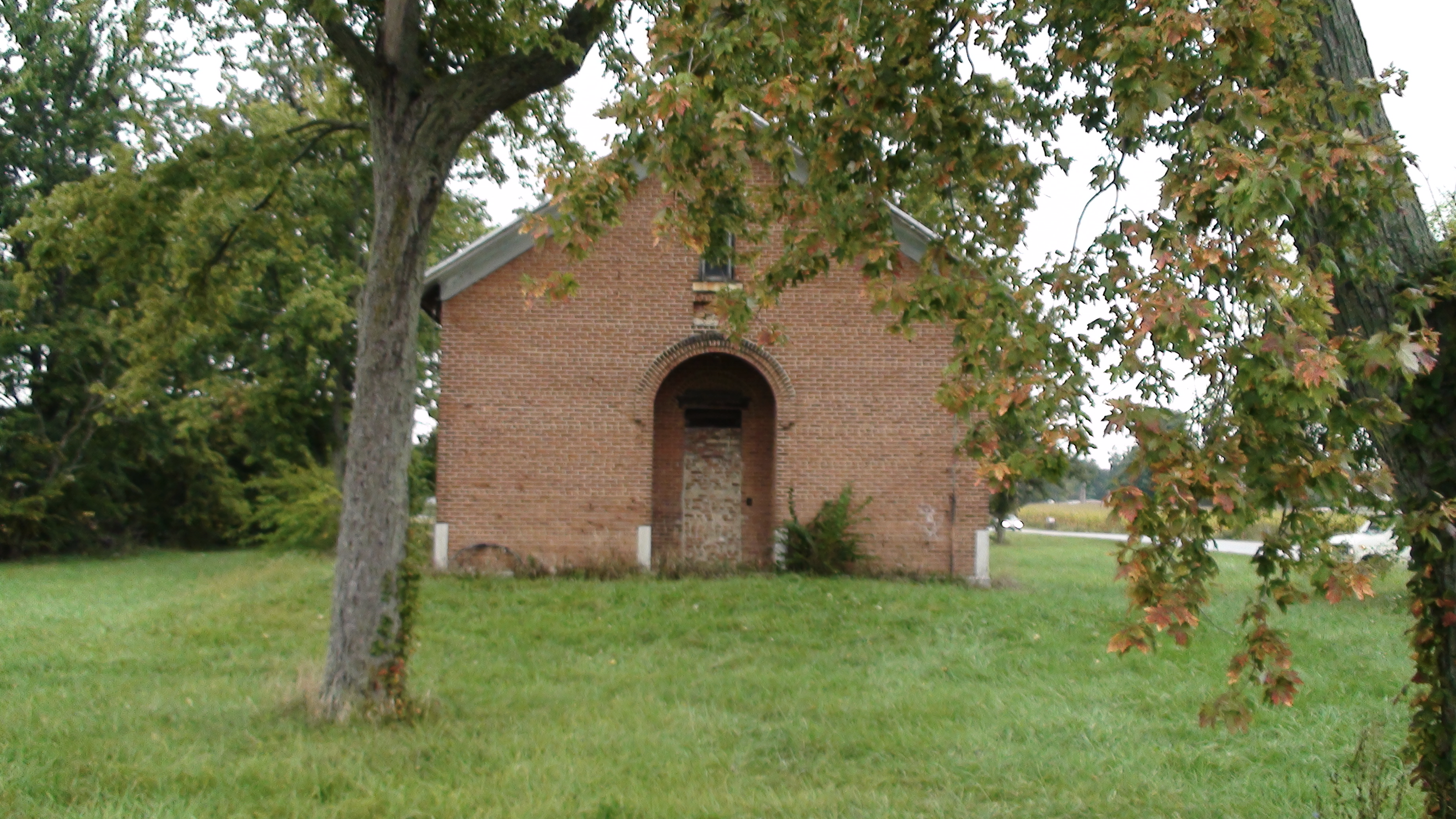
Around 1950, the schools in Darke County consolidated, leaving quite a few one-room brick schoolhouses vacant. Ken was able to buy one of these abandoned schools and had the idea that he could remodel it into an ideal two-story home with the help of his father and family. However, Ken was not a talented builder. The schoolhouse was divided into four 15×15 rooms with a bath and a hallway, but that is about as far as it went. This was much to Maxine’s dismay. She never liked the dwelling. It remains a schoolhouse on the exterior and a two-bedroom home on the interior to this very day.
Maxine spent the 50’s raising her two boys. There were plenty of instruction manuals on how to do this. Dr. Benjamin Spock had written his famous book that took the world by storm. In 1946, Spock was given the chance to publish his iconoclastic views in The Common Sense Book of Baby and Child Care. Along with everyone else, Maxine and Ken read it, of course.
In the 50’s, strange new gadgets appeared on the roofs of American houses as television became a household necessity. Leave it to Beaver, Father Knows Best, and The Nelson family’s The Adventures of Ozzie and Harriet did not hesitate to show how child rearing in the 50’s ought to be.
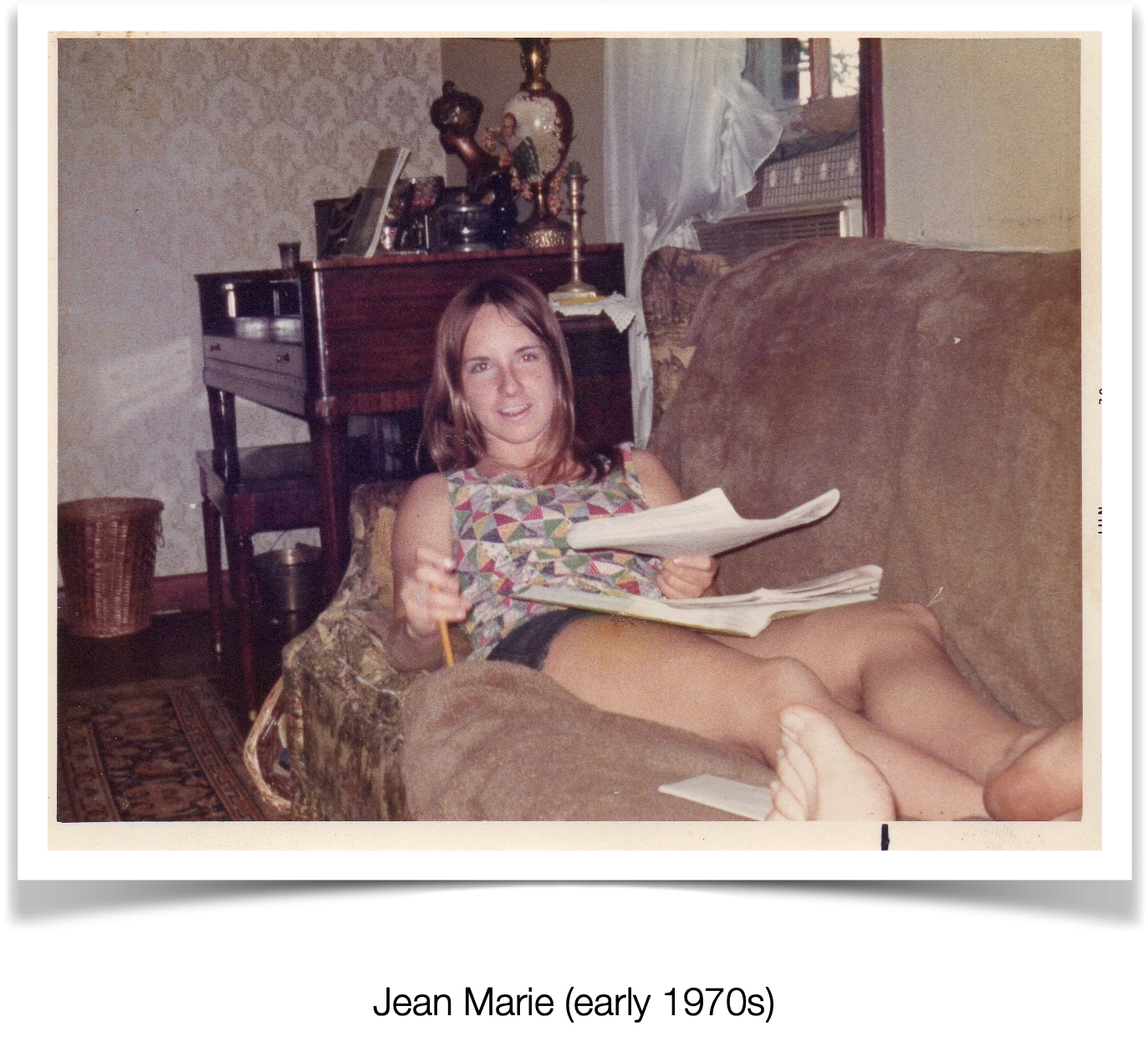
None of these shows were much like our own personal lives, but that did not matter much. With TV in most homes, everyone had a living model of the way things should be. A woman’s place was definitely in the home for everyone except schoolteachers and nurses. Thus, Maxine stayed home to raise the kids for most of the fifties, though she secretly preferred to be out in the workplace. Despite the social norm, Maxine did take temporary work as a cashier at some grocery stores and the five-and-ten-cent store now and then. But in 1956, a new daughter that we named Jean Marie came as a complete surprise to everyone—fifteen years after the first baby—and once again life was changed for all.
As for religious views, the family was, for the most part, not serious about churches or religion. This changed a bit in the late fifties when Ken and Maxine started studying the Bible with Steve Timmons and his wife, who were Jehovah’s Witnesses. I am not sure what swept them up into this strange, cultish group. It was probably Steve Timmons’ strong personality more than anything else, but I was young and impressionable, and I was swept up in it myself at the time. By the time I graduated high school, I had moved well beyond fundamentalist viewpoints and developed interests in sciences, as well as philosophy, eastern religions, archeology, history, and music.
Ken died suddenly of a severe stroke in 1972. A few years later, Maxine sold off many of her Ohio possessions and moved to 1289 Clayton Street in Denver, where she lived in a house that originally belonged to the Muckle family. Maxine’s sister, Florence, had married Paul Muckle. His parents had both passed away, and the big old turn-of-the-century home sat empty at the time. Once again, like the time after Maxine’s graduation, her older sister Florence was there for her in her time of need and confusion.
Florence had come to Ohio when my brother Billy was born, and we had visited her several times in Colorado—once by train when I was around six and several times by auto when Ken took his vacation.
Maxine remarried briefly to a man named Robert Sack, thus getting another last name to append to the Harper-Finton appellation. Bob died of a heart attack within the first year of their marriage. Bob had moved into the Clayton Street house while Billy and I were in California. They did not get along well because Bob drank a lot and Maxine hardly ever has even a sip of wine. After his death, she remained in the house until Florence became ill with Alzheimer’s and had a serious stroke that left her with aphasia. Then Maxine moved in with Florence until Florence’s business affairs were settled and her many possessions were sold. They both retired to an assisted living facility until Florence became too incontinent for that kind of care. My wife Chaya and I bought a bigger home and moved everyone into that, but Florence only lasted about six more months.
Maxine was petite, 4’11” in her stocking feet. When she was young she looked a lot like Judy Garland. These are the facts and the statistics.
What is missing is the soul of the woman—and who am I to describe the soul of any woman, let alone my own mother?
This I can say: she loved word games and puzzles. She kept her mind extremely active and her brain exercised. She excelled at Scrabble and Word Puzzles.
She always looked on the bright side and hardly ever had a depressing day until the very last, when she became ill with ovarian cancer and her pain and discomfort rose to epic proportions.
She easily excused the bad behavior of those around her and loved them anyway, a trait that often drove me to distraction and anger.
Her death came suddenly. In December 2008, she was not feeling well and went into the hospital. They found cancer in the ovaries, and the cancer had spread throughout the abdomen. The doctors said she had a very short time to live.
She lasted one more hour after Barack Obama was sworn in as President of the United States.
Chaya and I spent as much time as we could with her. For years, we had taken her to different places and vacationed with her from California to Ohio and Kentucky. After she broke her hip in 2002, she entered a nursing home. She came to like Allison Care very much, as there were people there of her age, and her days were filled with games and fun. We brought her back to our home most every weekend. We took her to Yellowstone one year, Los Angeles, and Yosemite another. We often went to Saratoga, Wyoming, where we had a motel. Two of her grandchildren lived near the motel. We drove out to see the fall colors every year. We go to see the snow sculptures in Breckenridge every year. We watched the Broncos play football, went to movies, hung around the house, and took her to our musical shows. We saw the Nutcracker Suite ballet in 2007 and went to Garrison Keillor’s show at Red Rocks in 2008.
Those who knew her will surely miss her. She leaves a void that no one else can fill.
She leaves behind her son Kenny and his wife Chaya, her grandson Robert, her granddaughter Tasha, and her great-grandson Zane, who loved to play games with her at every opportunity. She leaves behind her son, Billy, and her grandson, William Jr. She also leaves behind her daughter, Jean Marie, who disappeared in 1998.
Maxine lives on now in our memories, our pictures, and our videos. She is well respected and loved in the minds of all who knew her.
In September 2025, I permanently lost my childhood home. They tore down the hundred and fifty-year-old brick schoolhouse where my brother, my sister, and I were raised to adulthood.
When I was five, back in 1947, my father decided to buy a one-room brick school house to remodel and make it the family home. The schools were all consolidating into larger new facilities and the commissioners in Darke County, Ohio had decided to sell off all the old single-room school properties on the cheap. Dad paid less than $4000 for the almost two-acre acre site with all the buildings intact.
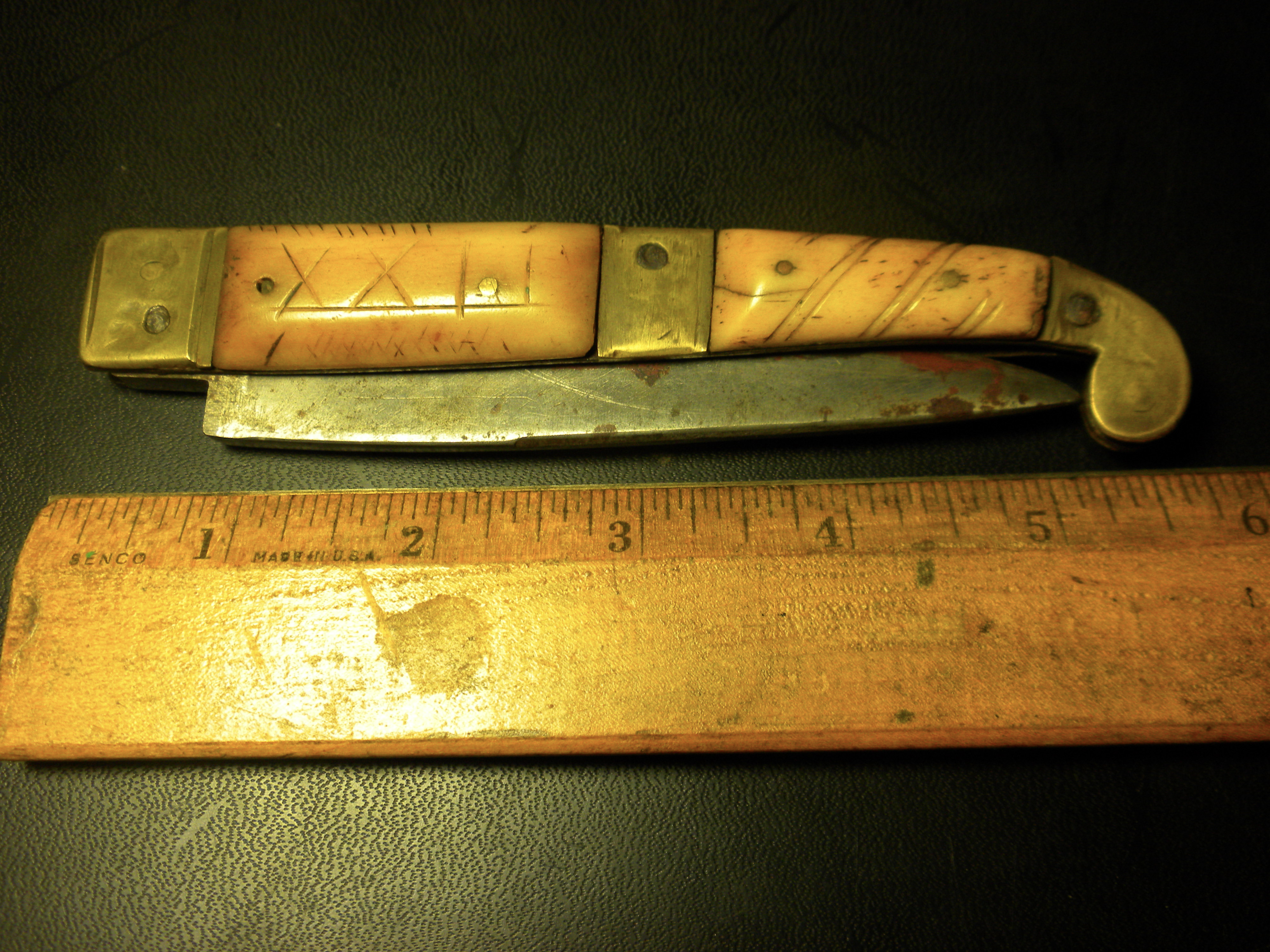
250 years ago, the roads where the school was built were little more than wilderness paths. Arthur St. Clair and Anthony Wayne both marched their troops past that intersection, which later became the school. I found an old one-handed knife in the garden that had been dropped by one of the soldiers back in the 1780s.
The first settlement in Darke County was made a mile west of the school on Boyd Hill near Boyd Creek. I was lucky enough to live on that very spot when I returned from New York City to Ohio for a few years.
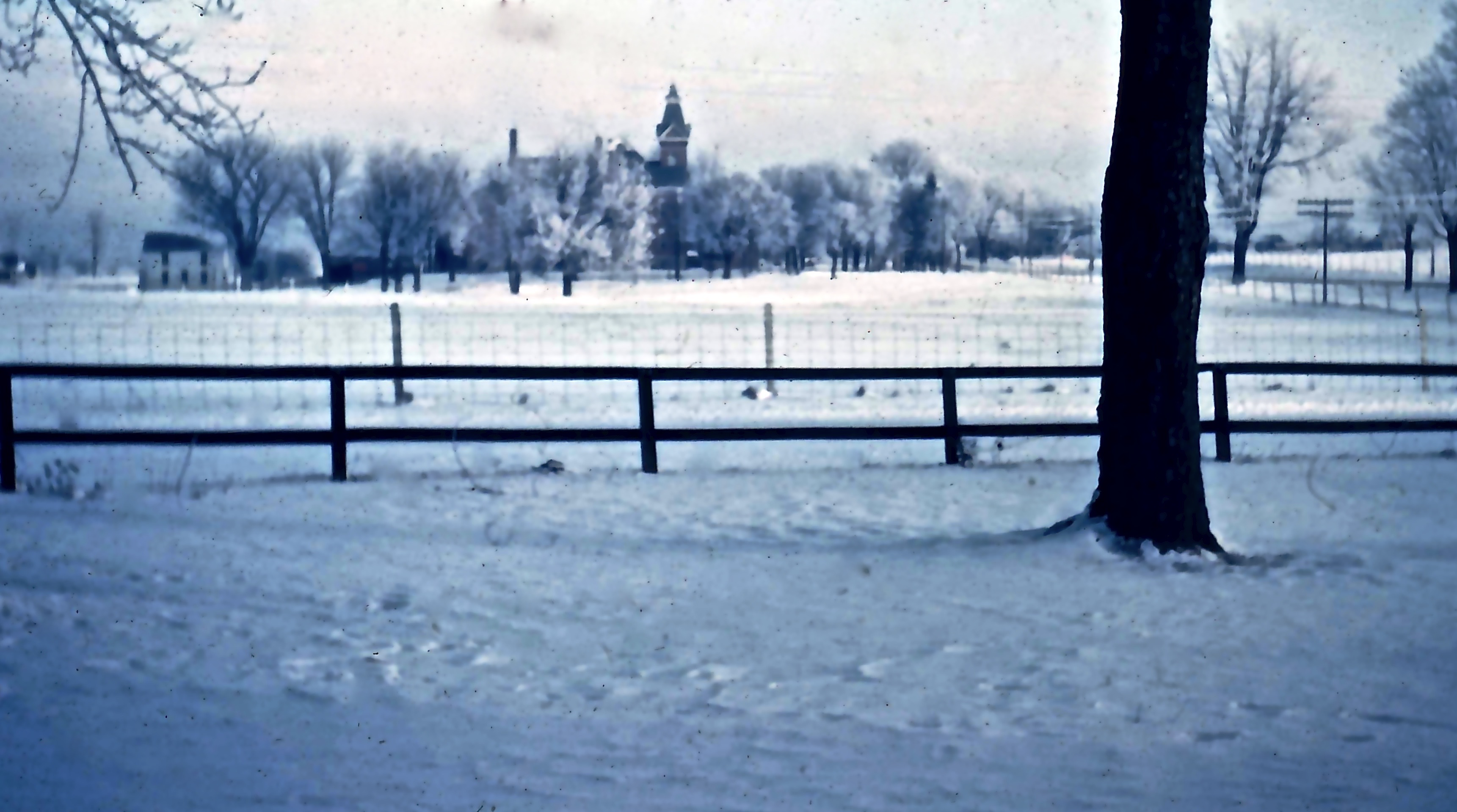
A marvelous Victorian-styled Children’s Home had been built at the turn-of-the-century for the orphans and hard-pressed families of school age children. It stood just north of us until that too was torn down in the name of progress and efficiency. The big old buildings were hard to heat and used coal. The Children’s Home had its own school . It could easily be seen from our home. Some of the children there became my playmates for many years,
One day it was there. The next day, it was gone.
The children walked to school in the old days as there were no buses or cars.The schools were situated every few miles. Many had a belfry and a bell to summon the kids from the neighboring farms.
When we became the owners, three or four grand pianos had been stored inside the school. They had been taken from other local schools. All of them were in terrible shape and had seen severe weathering. One of the first things Dad did was to take them out and burn them after saving the lead weights.
It seemed to me, though I was six, that burning these pianos was not a good thing. The pianos, like the school, had outlived their useful lives, but I could not understand that at that point. I had hardly any concept of time. Time was associated with functions like time to get up, time to go to bed. time to eat, and time to go.
The next unwanted objects to go were the inch-thick genuine slate blackboards placed on the north and south walls. They were carefully stacked near the two brick outhouses at the rear end of the lot. There was one privy for the boys and one for the girls. A path of cinders from the coal-fired stove led to the privies. As soon as the plumbing was installed, the outhouses were torn down. The old bricks were carefully stacked in patterns to keep them from collapsing.
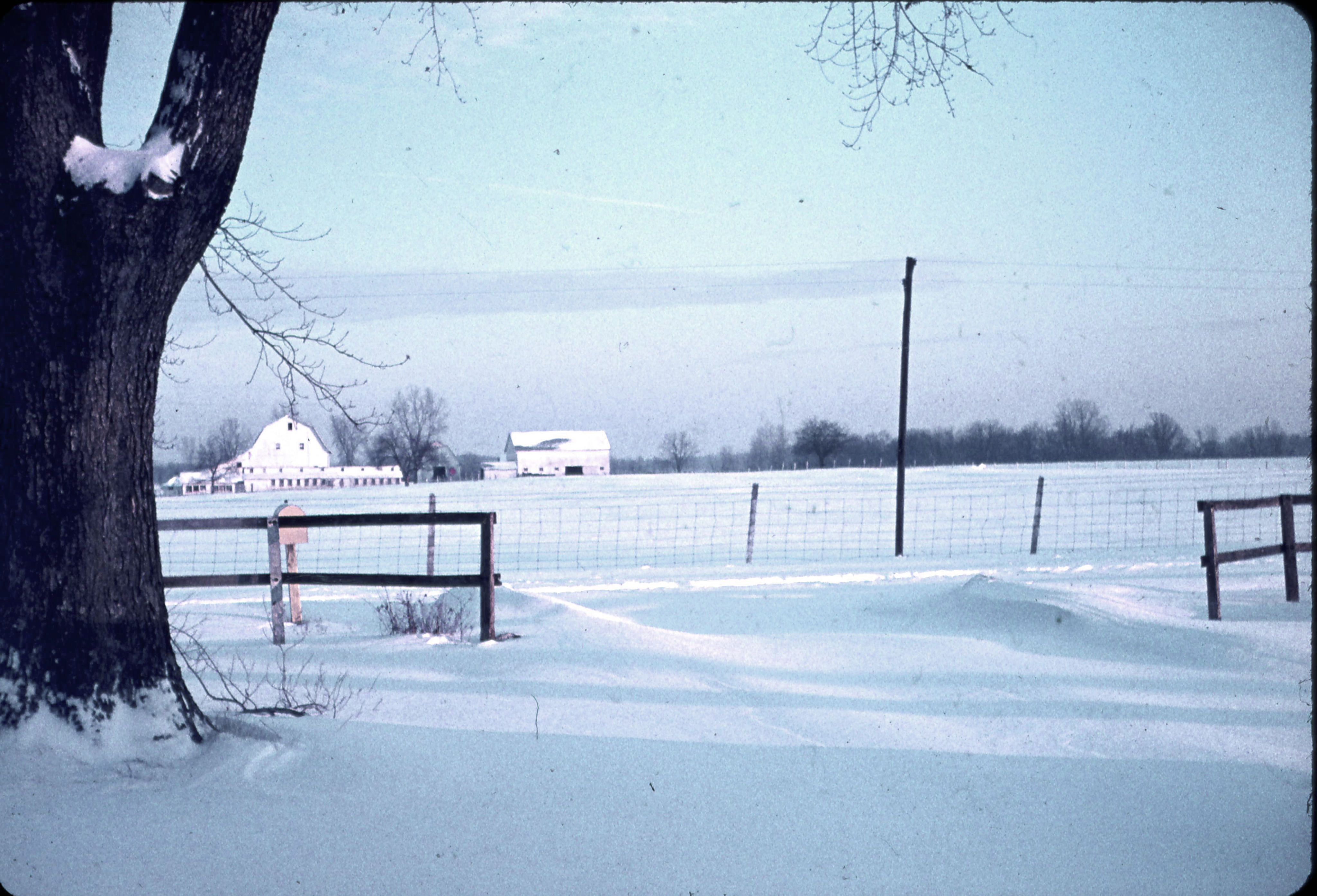
The yard was like a beautiful little park. The grass was a thick, hearty bluegrass. There was room for a large garden. The yard was surrounded on both road fronts with a two-rail wooden fence. A wooden coal and woodshed was on the north side. Three tall elm trees – whose branches began twenty feet off the ground – graced the property. One of these stately trees stood directly in the center. It was the first to fall from the Dutch Elm disease.
Dad roped one of the tall elm branches for a twenty-foot rope swing. There were two buckeye trees, a shagbark hickory, two large oaks, and half a dozen maples trees, including at least one sugar maple that we sometimes tapped for syrup.
Above is a picture of another school about three miles east of our schoolhouse. This was called the Knick School and is presently owned by a coon hunting club. The construction of these buildings was much the same. Three-foot thick brick walls on a wedge-shaped limestone foundation that started eight feet deep. The interior walls were plastered with 14-foot high ceilings. All had a date plaque in the front, a recessed front door with the traditional rounded top windows, standing seam steel roofs, a wooden fence and a shed. The rafters were true 2×6 timbers and the ceilings were 2×12, all made from local hardwoods.
Our schoolhouse was built in 1885. It was called the “Mannix” school because it was named after the locals who lived nearby. Jim and George Mannix were neighbors in the 50s. Their farms bordered on the schoolhouse property. Jim was a tall, thin bachelor farmer who helped care for Matt Rife. Jim owned and farmed the land Old Matt occupied. Matt could be seen walking along Highway 127 most every night. He seemed to walk to town daily. Matt lived in an unpainted rural shack with a barn behind painted with a “CHEW MAIL POUCH TOBACCO” ad. It was a Celina Road landmark. We often saw him in the dusk, wearing his gray overcoat and his Fedora, shuffling back home from town.
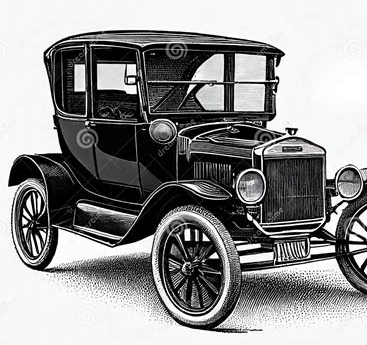
Half a mile to the east on the Children’s Home-Bradford Road, our neighbor, Pete McVay, lived in a leaning old two-story log cabin that looked like it would fall over at any time. He and his brother had a store on Broadway. Pete drove back and forth daily in his black 1920s Model T Roadster.
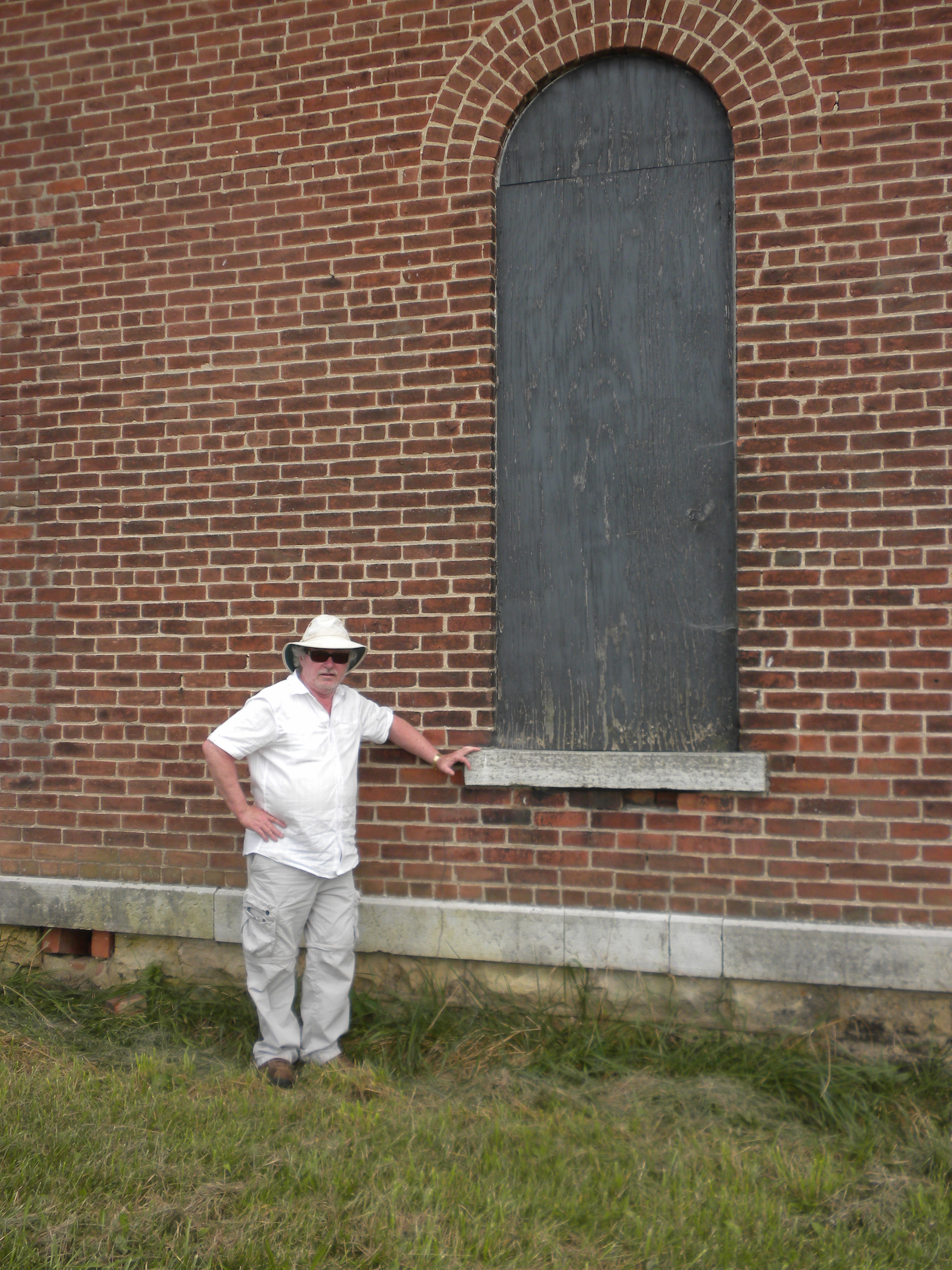
Dad enlisted my Grandfather–a bricklayer and stone mason–to help with the brickwork and to drop the ceilings to eight feet. To do this, they ran joists over the long windows, bricked up a few windows, and the front door. This removed any possibility of a later historical renovation.
I was not too upset about the loss of the front door, as this door was what introduced me to the concept of ugliness. The paint was scaly, twisted, gray lead paint that had been peeling off for years. The summer sun sharpened the image before my eyes, dust motes floated in the dusty air the smell of broken plaster invaded my nose––and I thought it was ugly––bad looking. I had never considered anything ugly before that.
Bonehead Allred, a cousin of my Dad’s, dug a false well for the pumps and pipes and ran pipes to the house. Even as a first grader, I wondered why anyone would call him “Bonehead”. He seemed friendly and smart to me. This was my introduction to type-casting social shaming.
The plumbing went in, partitions went up. drywall was crucified on the furring strips. We moved in long before my father’s original vision for the place was complete. We did have running water but the water heater had not been installed and the drywall was left unprimed. It seems like it took many years for Dad to get back into the remodeling mood. Much of the interior finish was left for me to do when I was old enough to do it.
Nevertheless, we made the place a comfortable home that lasted for thirty years. We still relied on an oil space heater. Winter mornings became a race to the stove to warm our clothing.
My mother never liked living there. It was a lot of work to care for the huge yard and gardens while still trying to finish the remodeling.
Friends visited and played croquet, badminton, and horseshoes in the great backyard. I would return many holidays after I left home and bring my New York City and Chicago friends to a sumptuous dinner at the country kitchen. They always had a wonderful time.
Dad finally realized he no longer had the energy to complete his vision and settled down to his historical research and cataloging old county cemeteries for posterity. My father died in 1974. My mother did not want to remain in Greenville. She sold the household items and antiques at a big estate sale in the backyard and moved to Denver, Colorado. Her sister had inherited her father-in-law’s home. It was empty and ready for Mom to occupy and start a new life.
The schoolhouse sat empty for twenty years while the family established Colorado as their new home. Finally, my mother decided to sell it. A real estate agent bought the land and let it sit empty for another twenty years.
I had hopes it cold be saved, It would be a fine museum. Others thought so as well. Time ran out as it tends to do on all. In late September of 2025, they tore the building down.
I knew it would happen, but I couldn’t live there or save it. Ten years before I had written a poem about what I envisioned.
“They are tearing down
my childhood home today,”
he said, wishing instead
he were already dead.
“I should not watch.
It is a sad thing to see,”
he thought, thinking softly of the past,
wishing it could forever last.
“I wish I could have done more to save it,”
he mused, feeling the blues
as it oozed from the news.
“I ate watermelon at the kitchen table,
sweet as summer’s breath,” he said,
tasting the juice that his mind reproduced.
“We had many a memory in that house,”
he understated,
watching as his
reality was castrated.
“I wonder it I was happier
back then than now,”
he exclaimed, unashamed
that he had no fame.
“Probably not,” he said to himself,
knowing he had not mastered laughter
in the face of disaster.
“Some folk’s homes become museums,”
he pondered as his thoughts wandered. “
I was never that important,”
he concluded, as he brooded.
The old trees were destroyed. The site was leveled like a parking lot. Now I feel even more regret. We live in an era where greed dominates, and the past, for many, is simply a quaint memory easily forgotten. Progress is shiny and new. The past continues to age as it deteriorates with time. The old school will join the great heap of forgotten histories and stories unremembered, as will we all.
I love a great short story. Problem is, there are too few of them.
How many great short stories can you name out of the blue?
Perhaps you are better read than I, because I can only think of three.
1) “A Christmas Carol” by Charles Dickens. Scrooge is an icon. Dickens was paid by the word to run his work serialized in the newspapers. That is why so many of his works are tediously long.
2) “The Old Man and the Sea” by Ernest Hemingway (more a novella than a short story). Even though I forget the Old Man’s Spanish name, I still smell the sea and the fish and feel the sting of rope on my hands as the big fish fight.
3) “The Gift of the Magi,” the great O’Henry story about the man who sold his watch to buy a fine hair brush for a his love while she cut off her hair and sold it to buy him a watch fob. Maybe that was not the story exactly, I do not remember, but that’s a decently good one the way I described it.
Short stories are easy to read.
They take more time than a blog or a post, so they require more time and effort from the reader. But when they are good, they are outstanding.
Many great television mini-series are really enacted series of short stories that follow the same characters. This allows for character development. Come up with a great character and anyone will want to know them––love them or hate them. TV dramas are simply short stories with added visual action. The script does come first.
Written short stories are often better than TV stories.
We get to visualize our own image of the character and the setting. We get the added sense of smell from compelling descriptions.
I believe that most novels could really be told in the time is takes to read a short story. I believe that every chapter of a novel could be––and perhaps should be––a stand alone tale that either leaves you wanting more or thinking about the implications of what that story means to you.
I think that a writer can serve themselves best by writing smaller works that can later be entwined and stitched together to make a larger work.