“Matter and energy are the two basic components of the entire Universe. An enormous challenge for scientists is that most of the matter in the Universe is invisible, and the source of most of the energy remains unknown. How can we study the Universe if we can’t see most of it? 95% of matter and energy in the Universe is currently unobservable.” -https://www.cfa.harvard.edu/big-questions/what-universe-made
Pardon me, Harvard, but aren’t you missing something?
Matter and energy are not the most basic components of the entire Universe; space is by far the most basic component of the Universe. Everything is contained within space. If anything is considered a fundamental necessity, space would be it. Space is essential for objects to exist and move.
That means we need space for movement. Without movement, there is no change. With no change, there is no experience. Space is the screen upon which the drama of existence is played. If space were created, it would have to be one of the very first things to materialize.
Einstein’s theory of gravity tells us that mass bends spacetime. To make this image palpable, they call it the fabric of spacetime. Space and time are complementary, but not one thing, because they are different. Both are measures, but space measures distance, and time measures duration. One cannot have a measure of distance without duration, or a duration without distance. In this, they are as one, though they are two.
But what is it that does the measuring? Surely, the measurers are as important as the measure. It is our consciousness that does the measuring.
Are space and time physical objects that can bend or flow? Does light follow the bent curves of space and warp time?
Space is much more than emptiness. It is a mix of particles, cosmic dust, and radiation—not to mention the home of all universal fields, such as magnetic fields —and possibly forms of matter like dark energy and dark matter. Interstellar space contains tiny particles of various elements, including carbon and silicon, scattered throughout space.
As there are different forms of energy, there are different forms of spatial content. The vast majority of localized space has content. This is where the difference between infinite and finite space comes into play. An infinite universe would have no borders, but it would go on indefinitely. But a finite universe would also have no borders because the universe is all that exists. There is no physical reality beyond the universe. When the universe expands, it simply becomes larger. It is not housed in an existing envelope. There is nothing beyond the universe but non-existence, a total void of nothingness.
However, our common understanding of space means all of space, occupied or unoccupied. The universe is, by definition, still all that exists. That is where existence takes place, and the now ticks away time.
But on close examination, we find that along with space, time is being measured even as we speak. The cognitive mind records information and events as we move through the now, second by second, frame by frame.
All of this information, observation, and experience is recorded in spacetime.
Space, not force, seems to shepherd matter, creating a boundary when it interacts with mass. The more mass, the thicker the border. Since both finite and infinite spaces have no borders, these boundaries are imposed upon the mass. Space has energy. It is the home of energy, and infinite space has infinite energy.
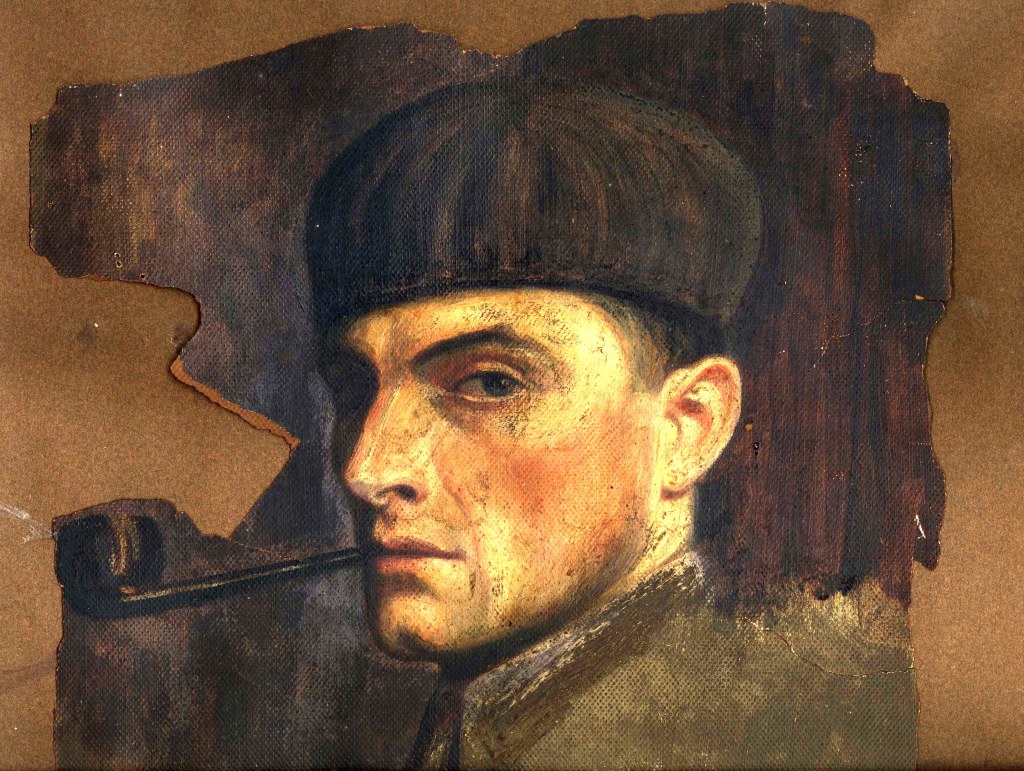
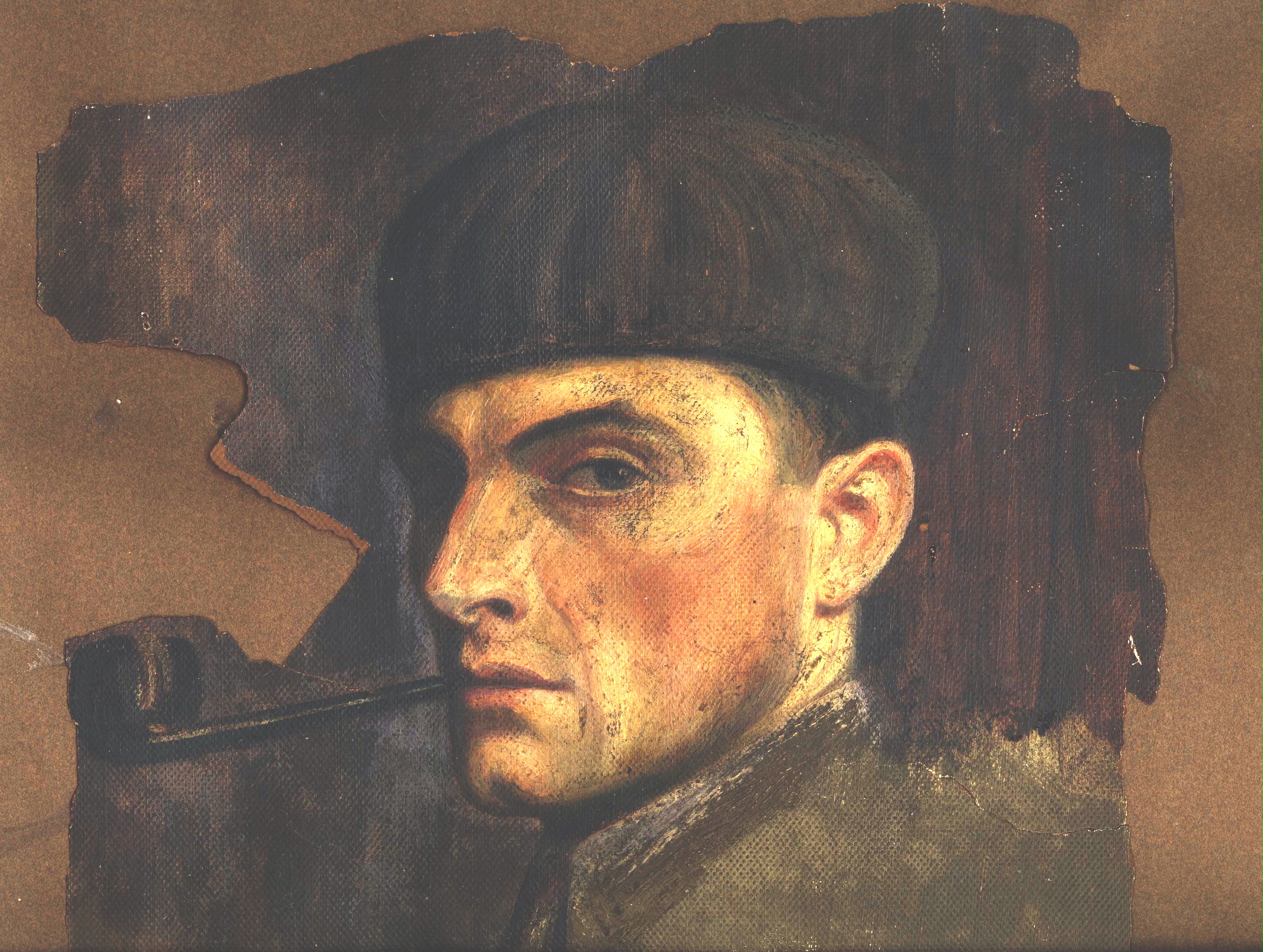
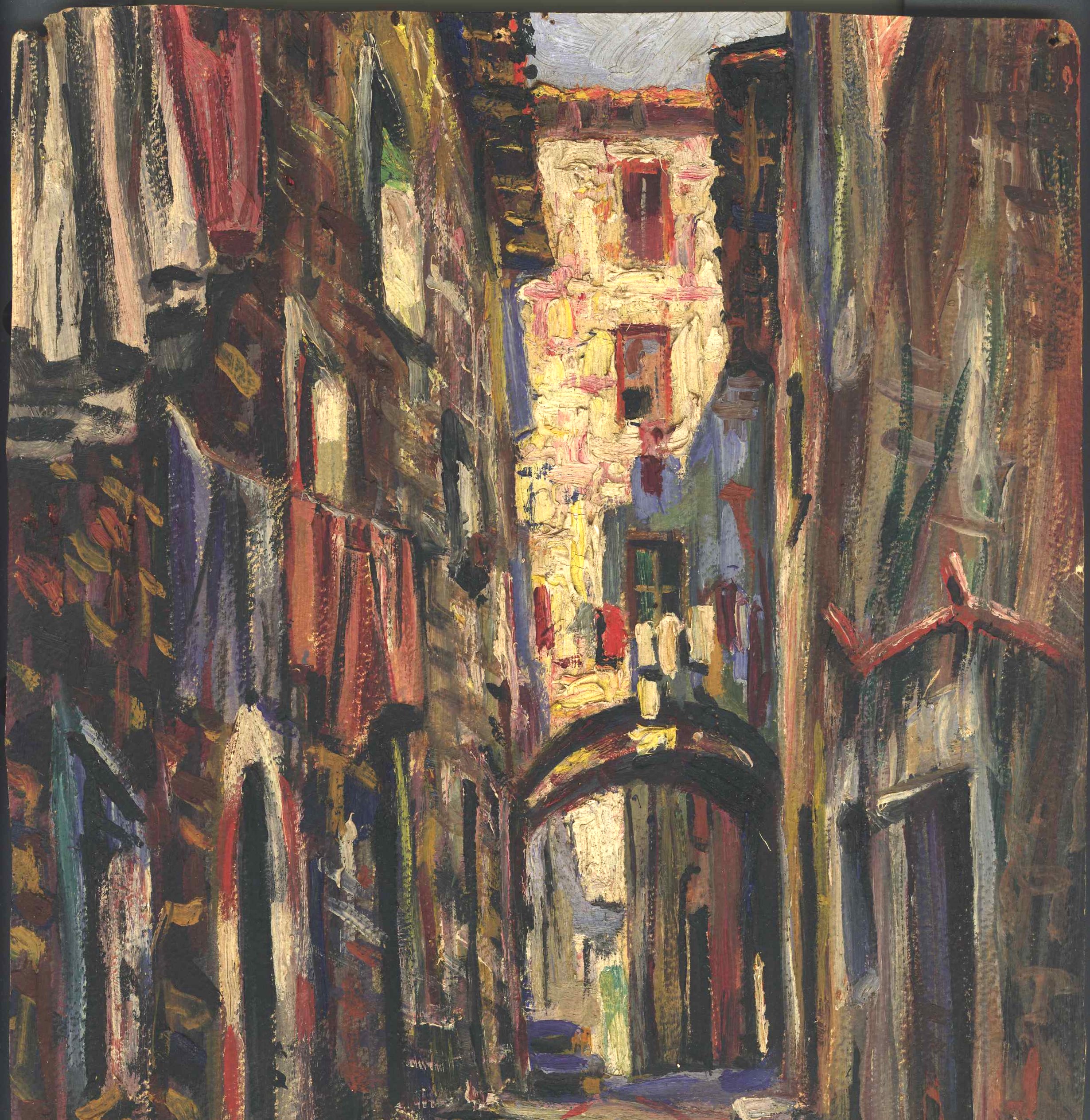
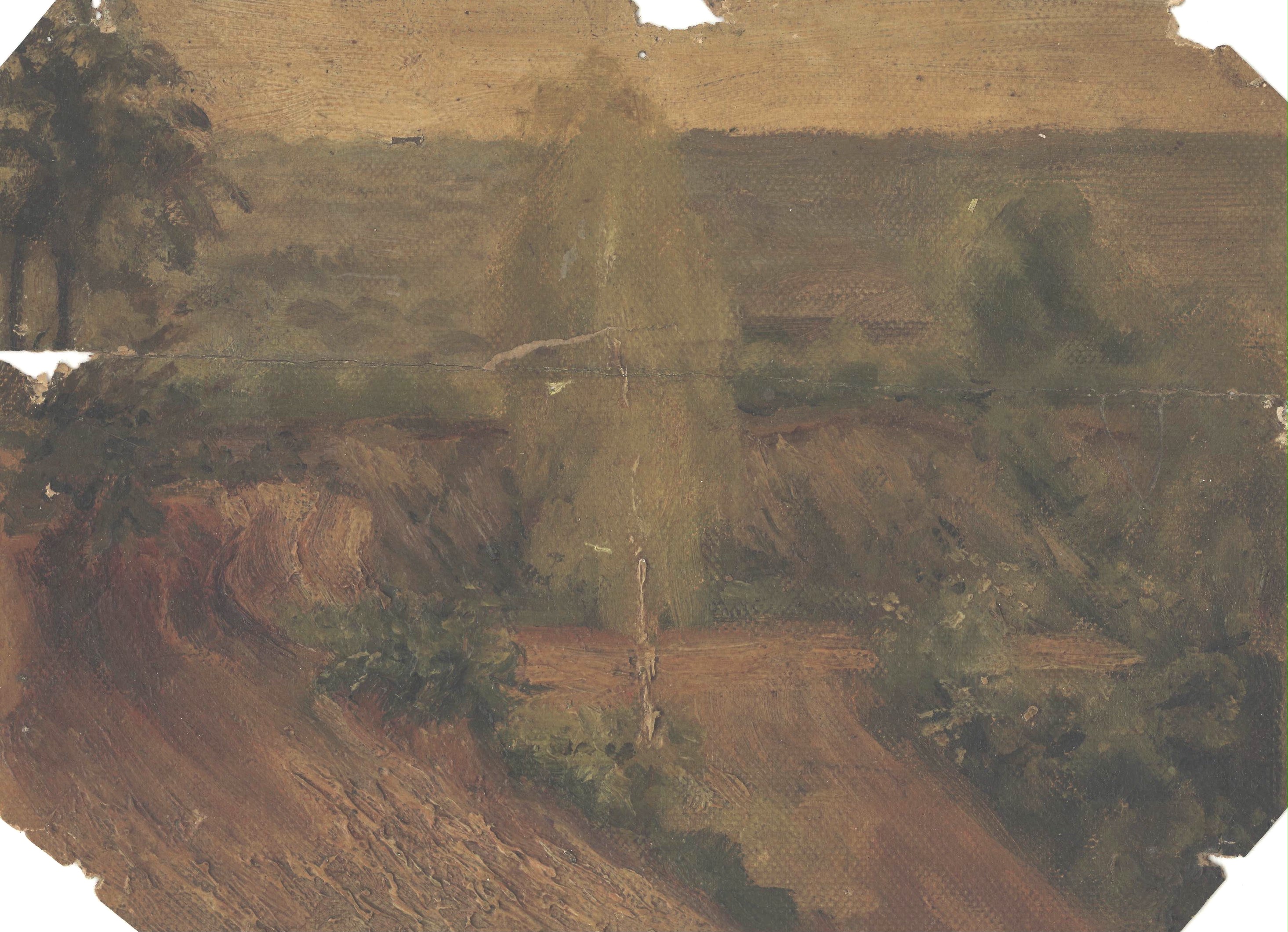
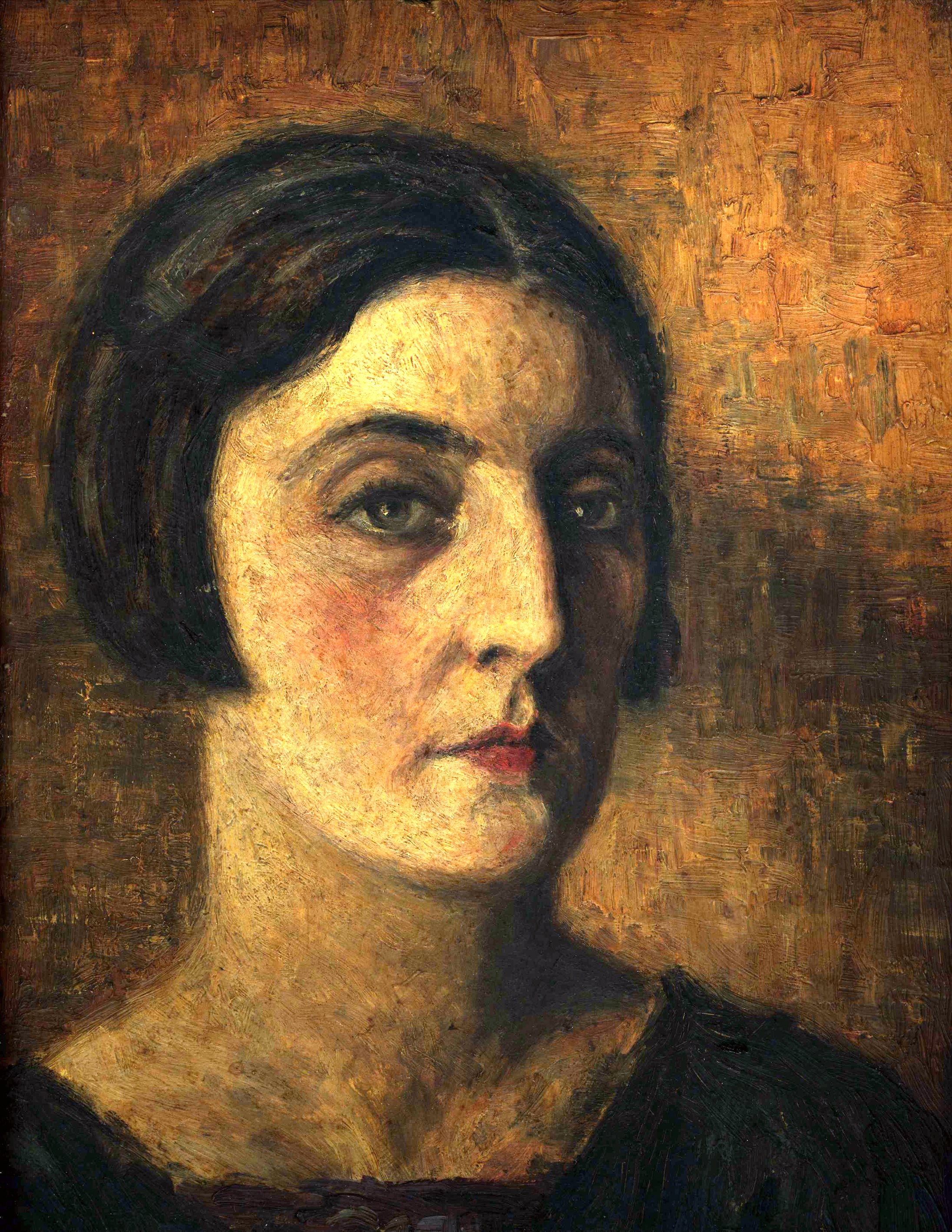
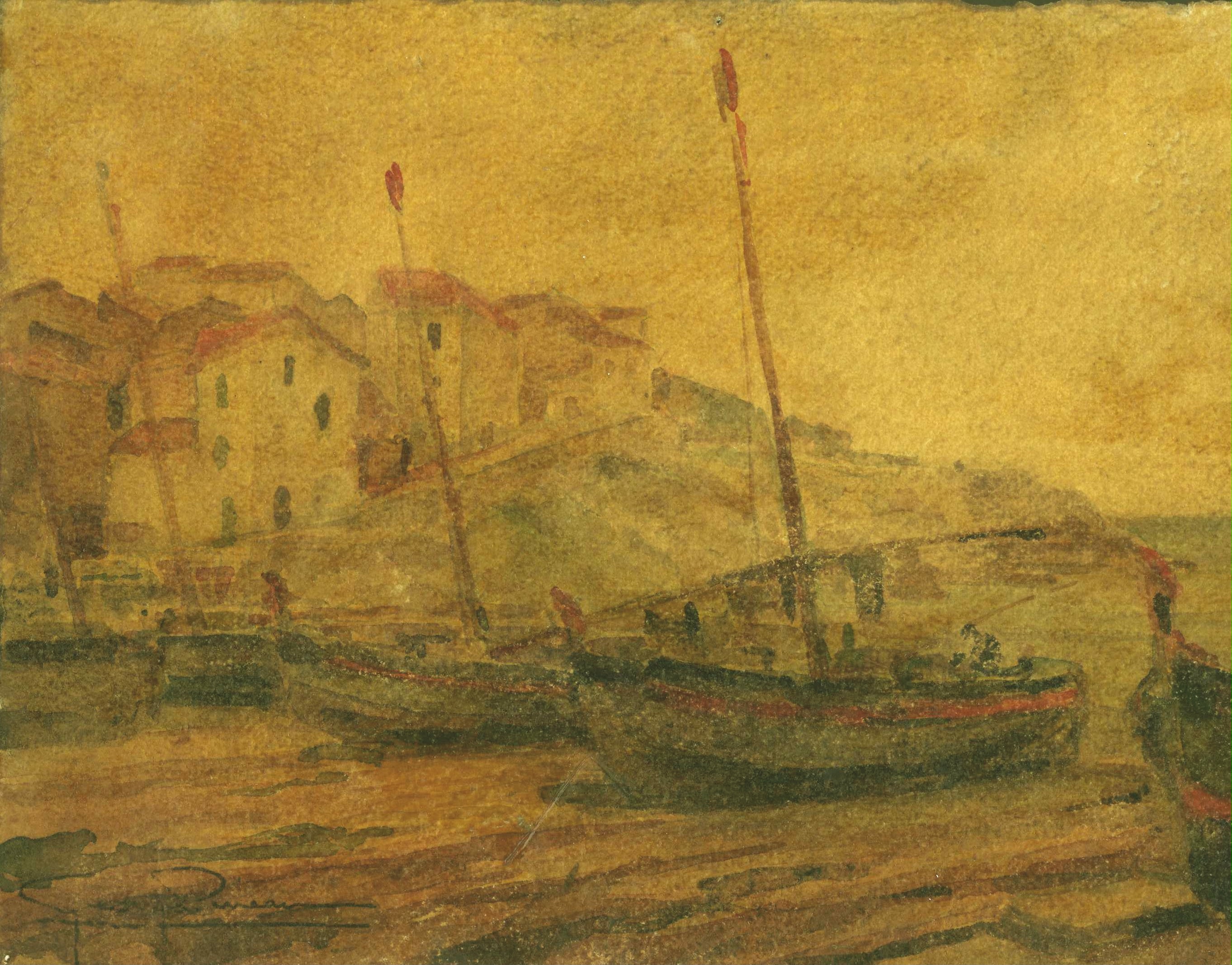
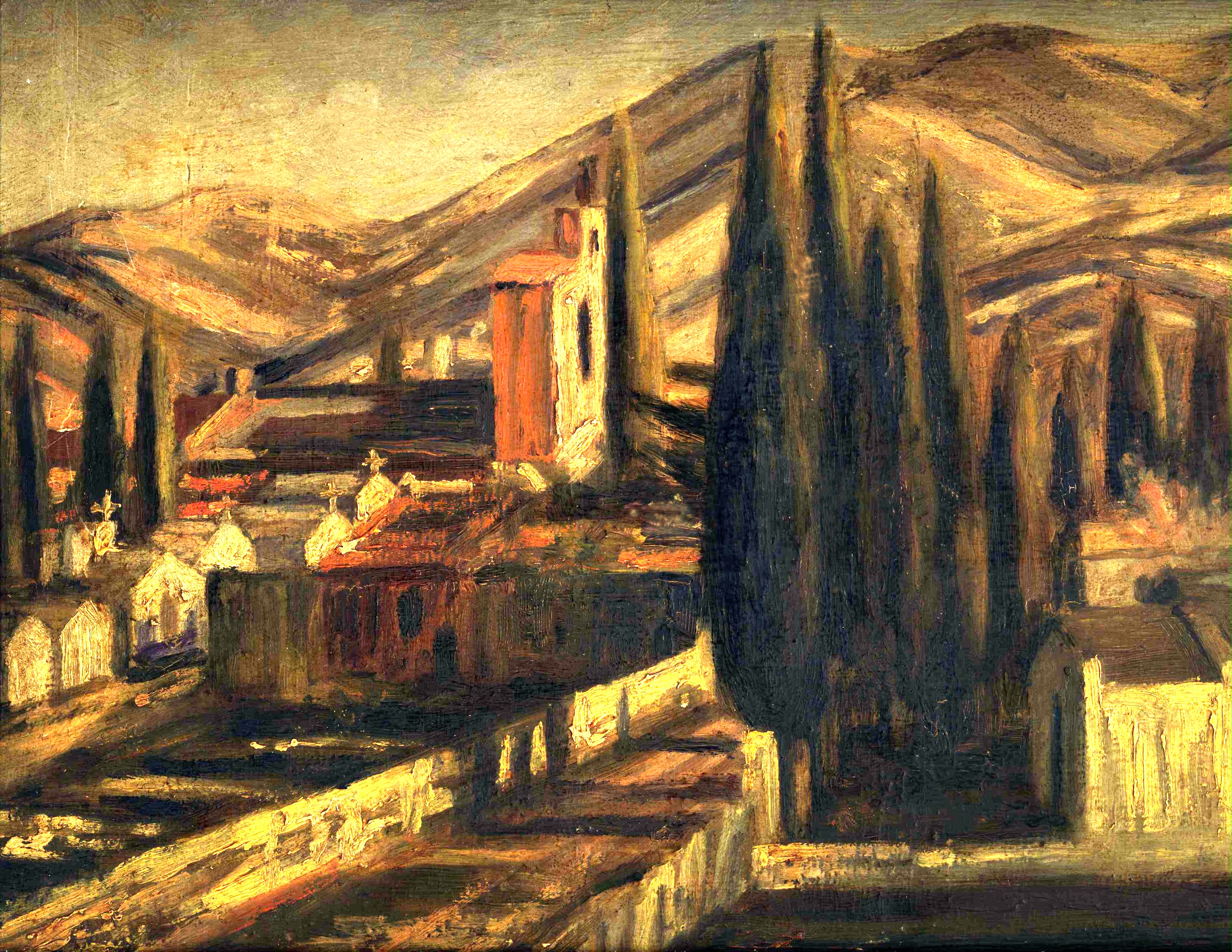
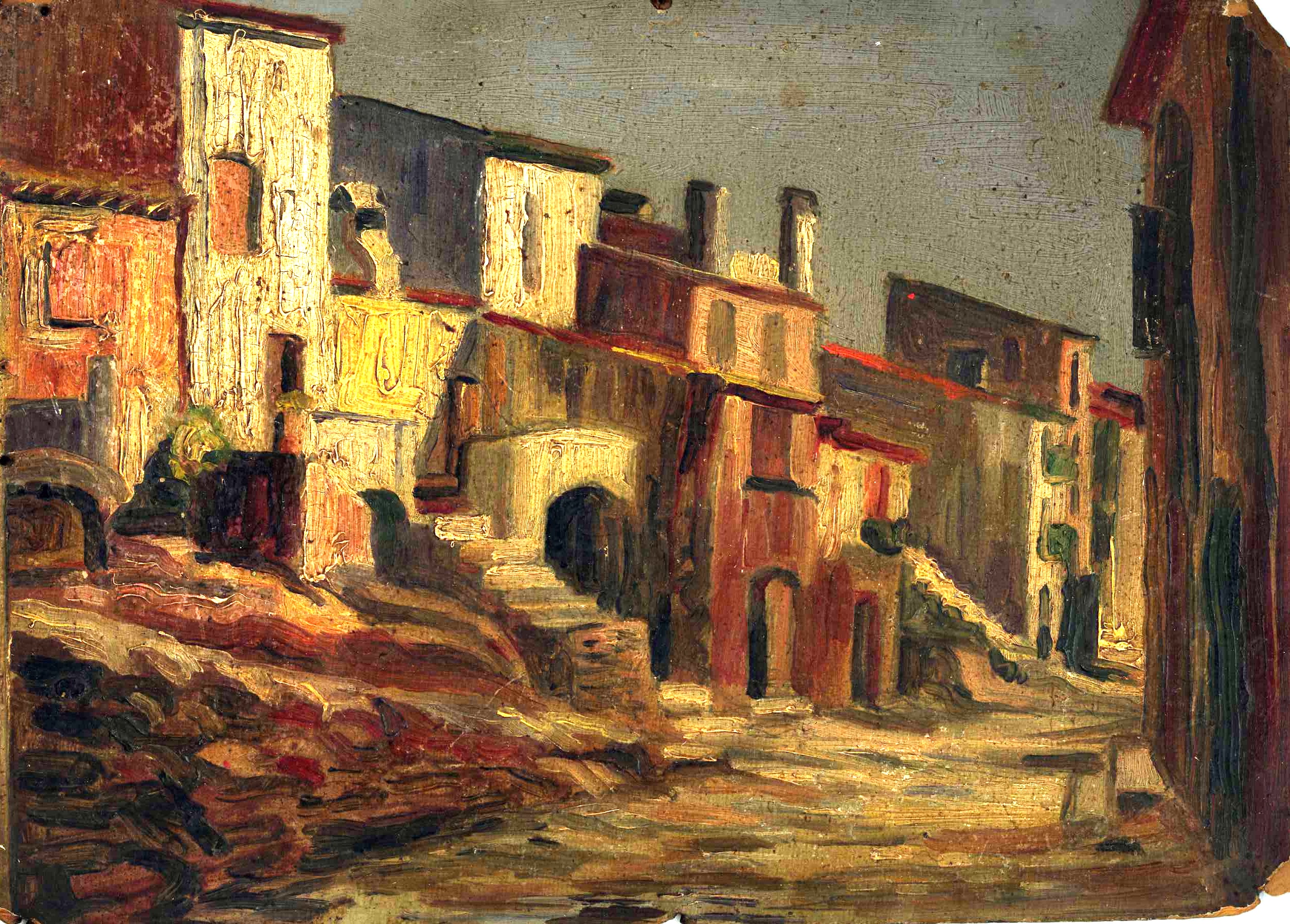
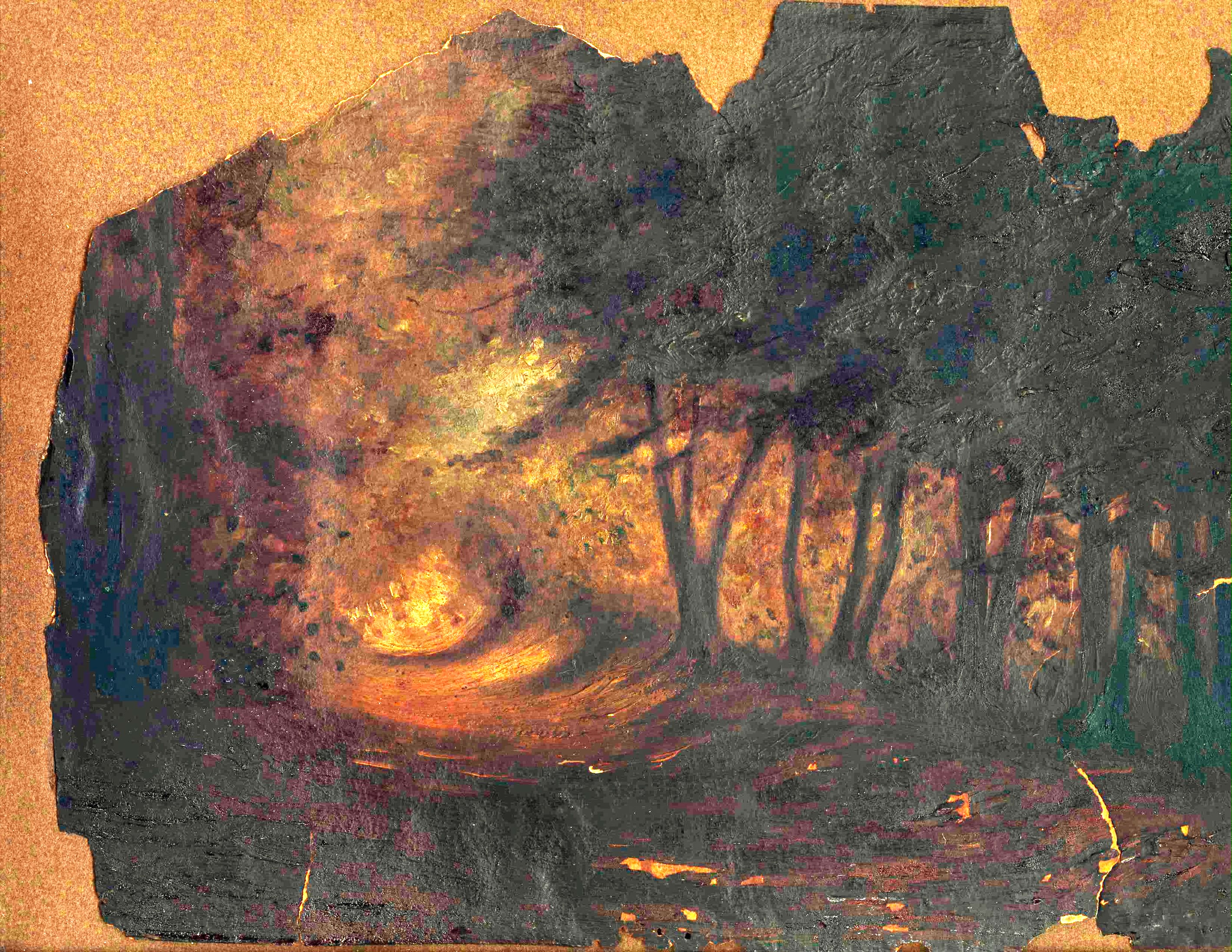
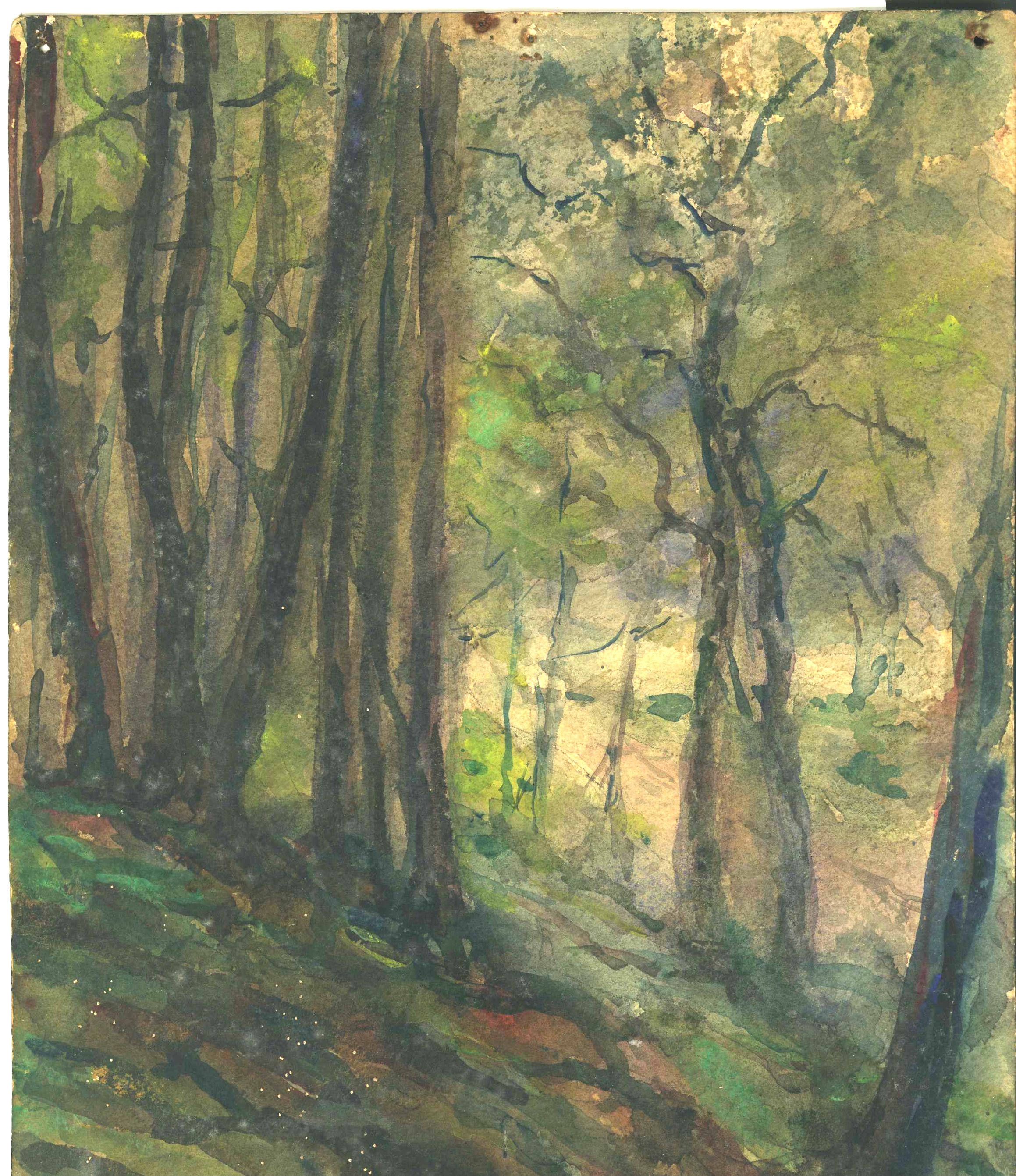
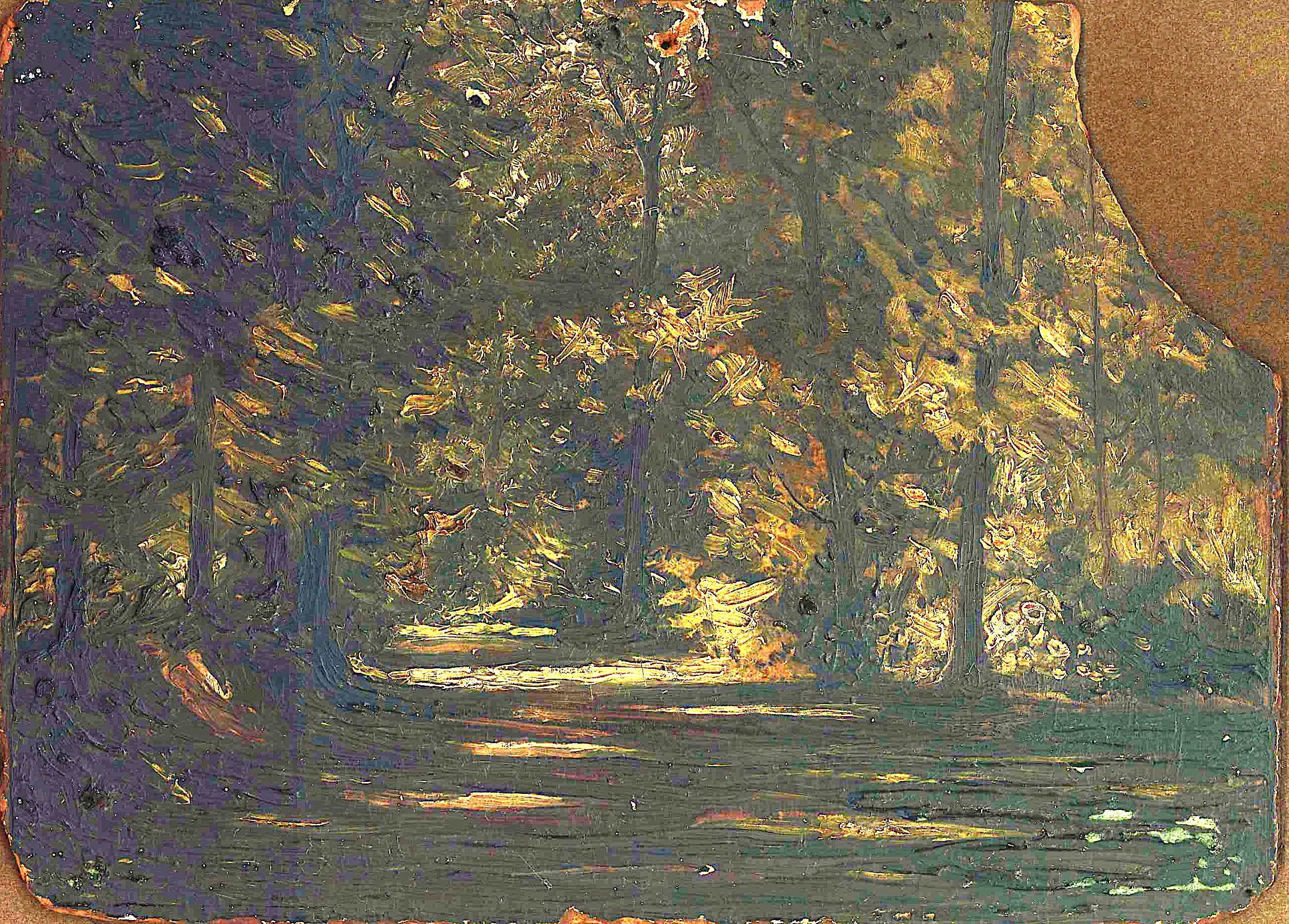
Georges Pineau was a student of Claud Monet. He lived and worked in Versailles, France, before and after serving in World War I. While attempting to lead his troops to safety, he was struck by a mustard gas canister. His breathing was affected, and he spent the rest of his life suffering the effects. He died quite young, leaving the works shown here.
SELF PORTRAIT
Drying Clothes
Riverbank
Georgette was his wife. She killed herself by jumping out of a window. Obviously, she was very depressed.
Sailboats in the early morning.
Spanish churches. This painting no longer exists. Carpenter ants destroyed it in 1925.
Time is a measurement. Because a measurement takes place only in the cognizant world, time is in the mind.
We who measure time create a timeline.
A line is simply a point that moves. Add time, and a moving point becomes a line. The same point is repeated over and over in the line’s appearance, the difference being the time and space. The same point is everywhere at one moment. To me, this is the secret of singularity.
Space-time exists in an eternal now, a pseudo moment that holds all that ever was and that which will ever be. Because time itself is relative to movement and speed, a photon begins and ends at the same moment, much as the Higgs boson does. We measured the duration of a moment differently because we measure it from our own viewpoints.
As humans, we have a past and a future because we live and operate in a time and space that travels at a particular speed, and we view ourselves as being in a specific region of space-time.
We can discern the artifacts and traces left by events that occurred in what we see as ‘then’, even though they take place in the eternal now. We are in different sections of space-time, experiencing some of the infinite number of experiences that can come into being in a world of endless possibilities.
We do not define space-time occurrences. What we define as individuals is infinitesimal. The part does not represent the whole. The whole defines the part.
While perception is observing and creating, what we see as being in the past – traces of particles and waves from the observed portion of time and space – can be seen in other sections of space and time that also exist in the eternity of now. Our perceptions create the world we live in, just as the perception of that world makes us.
Consciousness has no mass. It only needs awareness of another, and in that awareness, our entire personal universes are built. We exist in potentiality and come into existence in a space-time where we find ourselves materialized. Individually, we are but one small facet in the infinite number of potentialities that consciousness makes possible.
Because the now is an eternal moment, there is literally no such thing as a beginning and an ending. The eternal components of reality constantly change form. This change makes it appear that there are beginnings and endings, but what is changing is the conversion between matter and energy and between energy and matter. These are eternal processes. Even the information involved in these processes is preserved both physically and consciously, as in memory and relics, though both are sketchy representations of the past events.
Our universe can be viewed as a field of perceptive awareness that behaves in a quantum fashion. Its task is to experience and create new experiences. It is everywhere at once. It exists for us at this exact moment. That one moment is eternal. It never ends. Nothing came before it, and nothing comes after it. It is eternal. This very moment that we experience now is written in time and space in that eternal moment.
This process does not begin, but it has always been in the moment we call now. It was now, then, and it will be now in the future. That which changes is our viewpoints.
In September 2025, I permanently lost my childhood home. They tore down the hundred and fifty-year-old brick schoolhouse where my brother, my sister, and I were raised to adulthood.
When I was five, back in 1947, my father decided to buy a one-room brick school house to remodel and make it the family home. The schools were all consolidating into larger new facilities and the commissioners in Darke County, Ohio had decided to sell off all the old single-room school properties on the cheap. Dad paid less than $4000 for the almost two-acre acre site with all the buildings intact.
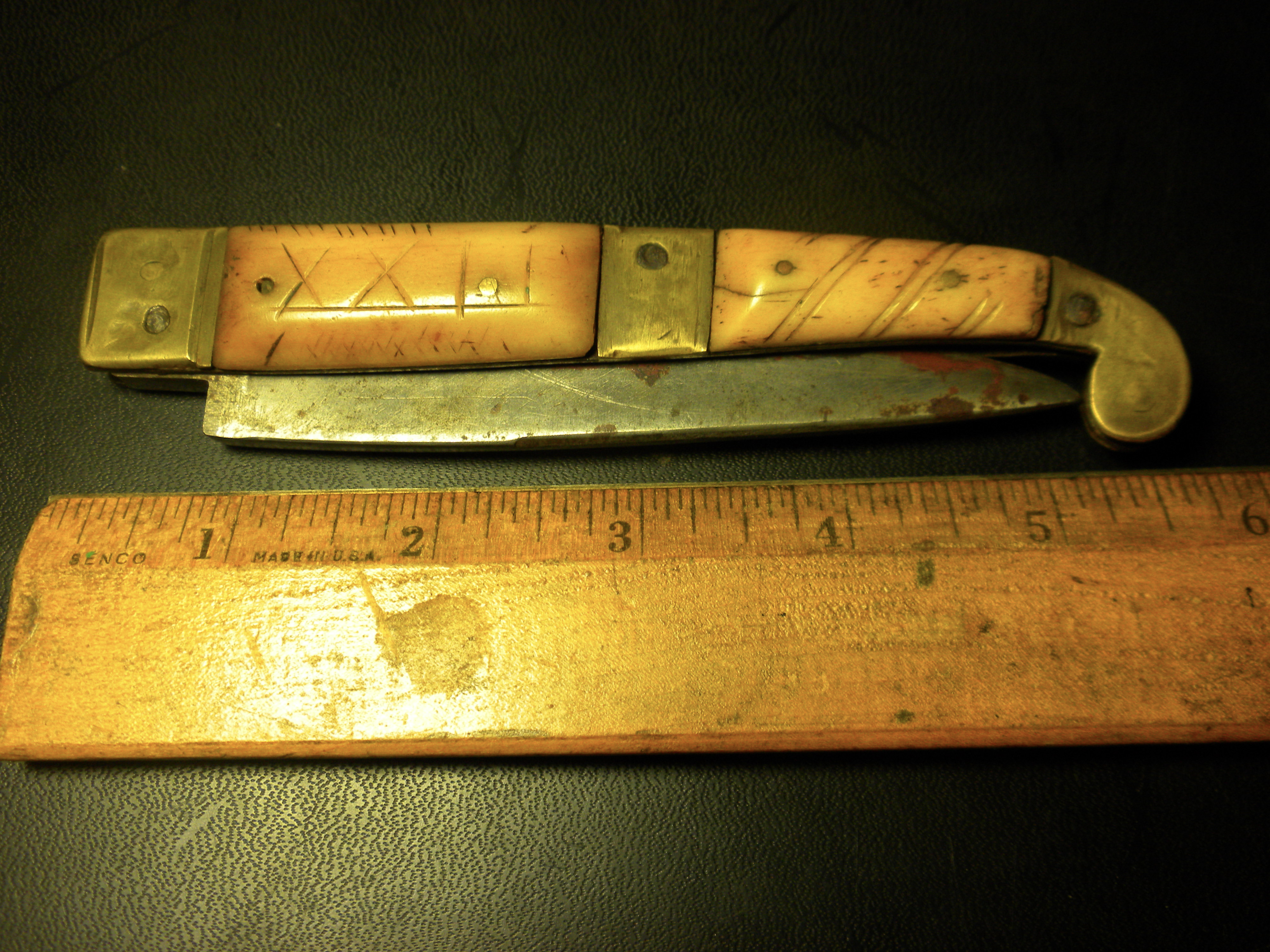
250 years ago, the roads where the school was built were little more than wilderness paths. Arthur St. Clair and Anthony Wayne both marched their troops past that intersection, which later became the school. I found an old one-handed knife in the garden that had been dropped by one of the soldiers back in the 1780s.
The first settlement in Darke County was made a mile west of the school on Boyd Hill near Boyd Creek. I was lucky enough to live on that very spot when I returned from New York City to Ohio for a few years.
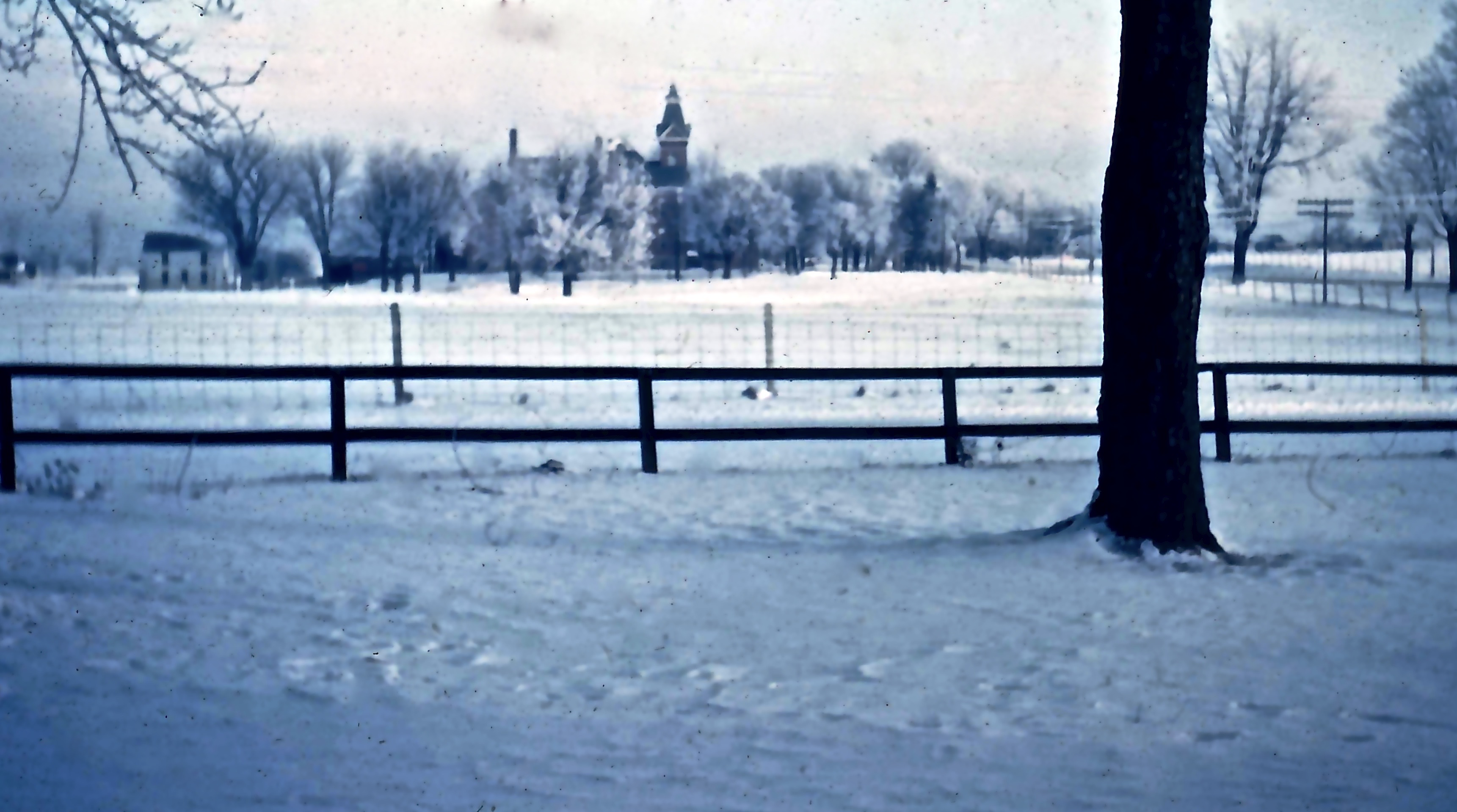
A marvelous Victorian-styled Children’s Home had been built at the turn-of-the-century for the orphans and hard-pressed families of school age children. It stood just north of us until that too was torn down in the name of progress and efficiency. The big old buildings were hard to heat and used coal. The Children’s Home had its own school . It could easily be seen from our home. Some of the children there became my playmates for many years,
One day it was there. The next day, it was gone.
The children walked to school in the old days as there were no buses or cars.The schools were situated every few miles. Many had a belfry and a bell to summon the kids from the neighboring farms.
When we became the owners, three or four grand pianos had been stored inside the school. They had been taken from other local schools. All of them were in terrible shape and had seen severe weathering. One of the first things Dad did was to take them out and burn them after saving the lead weights.
It seemed to me, though I was six, that burning these pianos was not a good thing. The pianos, like the school, had outlived their useful lives, but I could not understand that at that point. I had hardly any concept of time. Time was associated with functions like time to get up, time to go to bed. time to eat, and time to go.
The next unwanted objects to go were the inch-thick genuine slate blackboards placed on the north and south walls. They were carefully stacked near the two brick outhouses at the rear end of the lot. There was one privy for the boys and one for the girls. A path of cinders from the coal-fired stove led to the privies. As soon as the plumbing was installed, the outhouses were torn down. The old bricks were carefully stacked in patterns to keep them from collapsing.
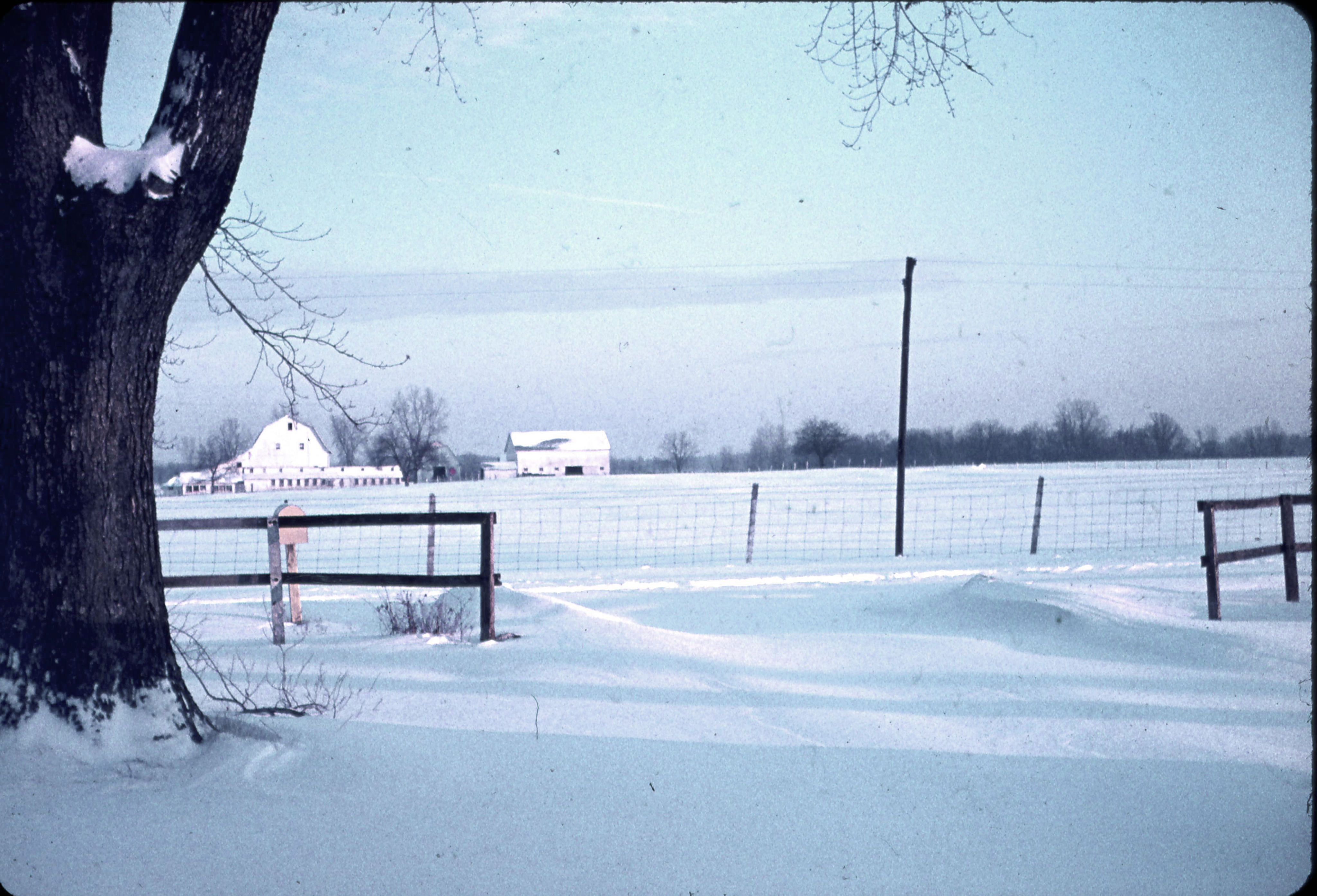
The yard was like a beautiful little park. The grass was a thick, hearty bluegrass. There was room for a large garden. The yard was surrounded on both road fronts with a two-rail wooden fence. A wooden coal and woodshed was on the north side. Three tall elm trees – whose branches began twenty feet off the ground – graced the property. One of these stately trees stood directly in the center. It was the first to fall from the Dutch Elm disease.
Dad roped one of the tall elm branches for a twenty-foot rope swing. There were two buckeye trees, a shagbark hickory, two large oaks, and half a dozen maples trees, including at least one sugar maple that we sometimes tapped for syrup.
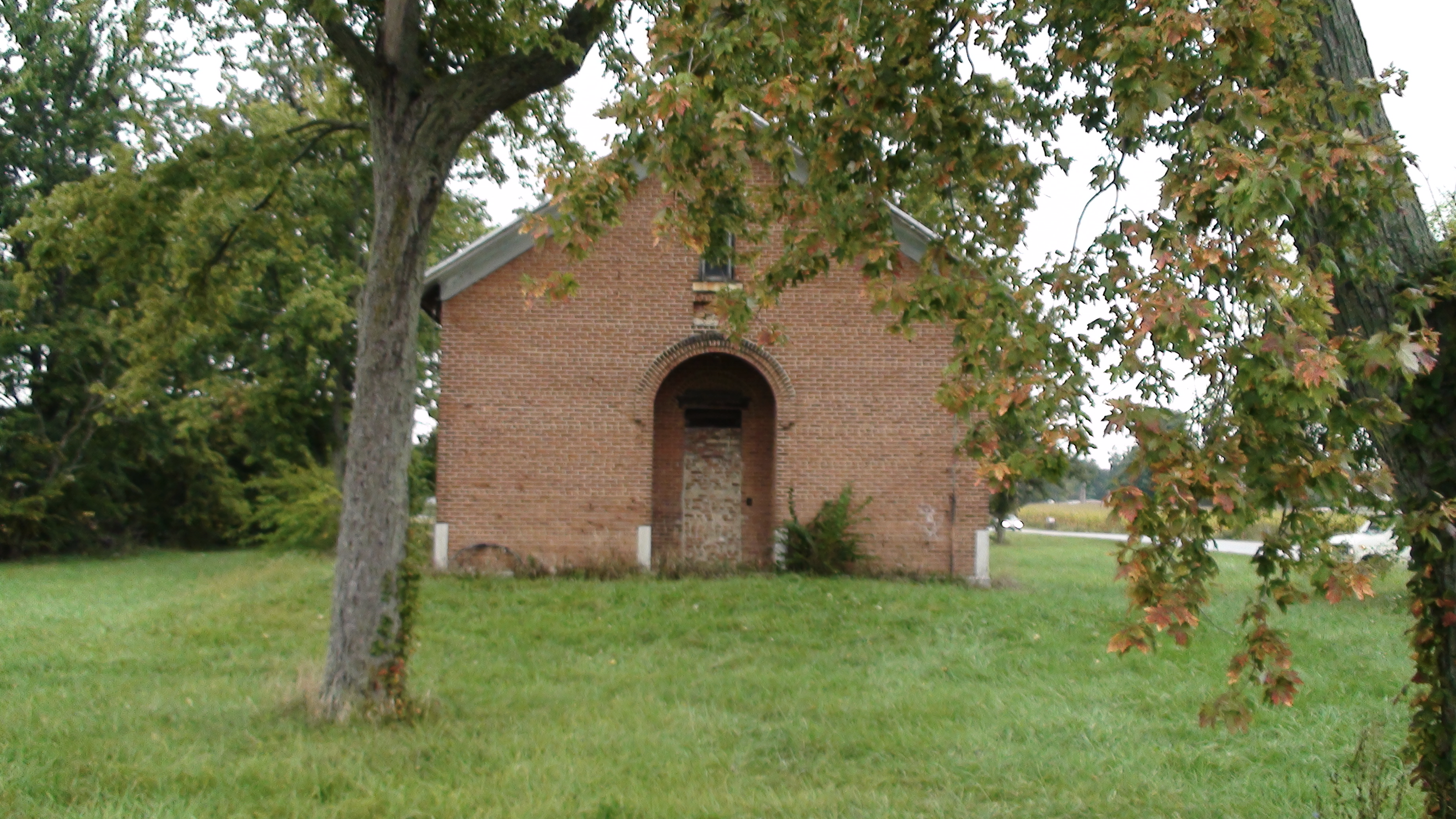
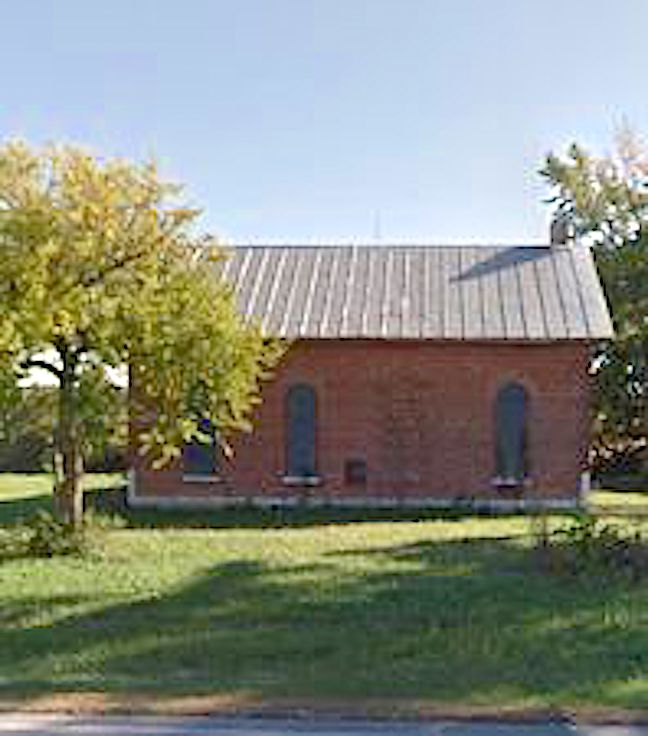
Above is a picture of another school about three miles east of our schoolhouse. This was called the Knick School and is presently owned by a coon hunting club. The construction of these buildings was much the same. Three-foot thick brick walls on a wedge-shaped limestone foundation that started eight feet deep. The interior walls were plastered with 14-foot high ceilings. All had a date plaque in the front, a recessed front door with the traditional rounded top windows, standing seam steel roofs, a wooden fence and a shed. The rafters were true 2×6 timbers and the ceilings were 2×12, all made from local hardwoods.
Our schoolhouse was built in 1885. It was called the “Mannix” school because it was named after the locals who lived nearby. Jim and George Mannix were neighbors in the 50s. Their farms bordered on the schoolhouse property. Jim was a tall, thin bachelor farmer who helped care for Matt Rife. Jim owned and farmed the land Old Matt occupied. Matt could be seen walking along Highway 127 most every night. He seemed to walk to town daily. Matt lived in an unpainted rural shack with a barn behind painted with a “CHEW MAIL POUCH TOBACCO” ad. It was a Celina Road landmark. We often saw him in the dusk, wearing his gray overcoat and his Fedora, shuffling back home from town.
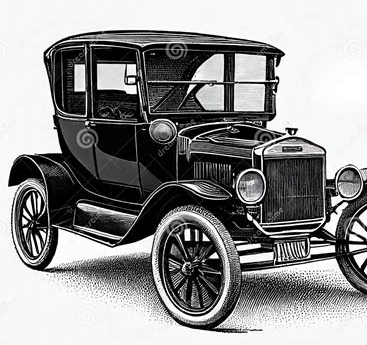
Half a mile to the east on the Children’s Home-Bradford Road, our neighbor, Pete McVay, lived in a leaning old two-story log cabin that looked like it would fall over at any time. He and his brother had a store on Broadway. Pete drove back and forth daily in his black 1920s Model T Roadster.
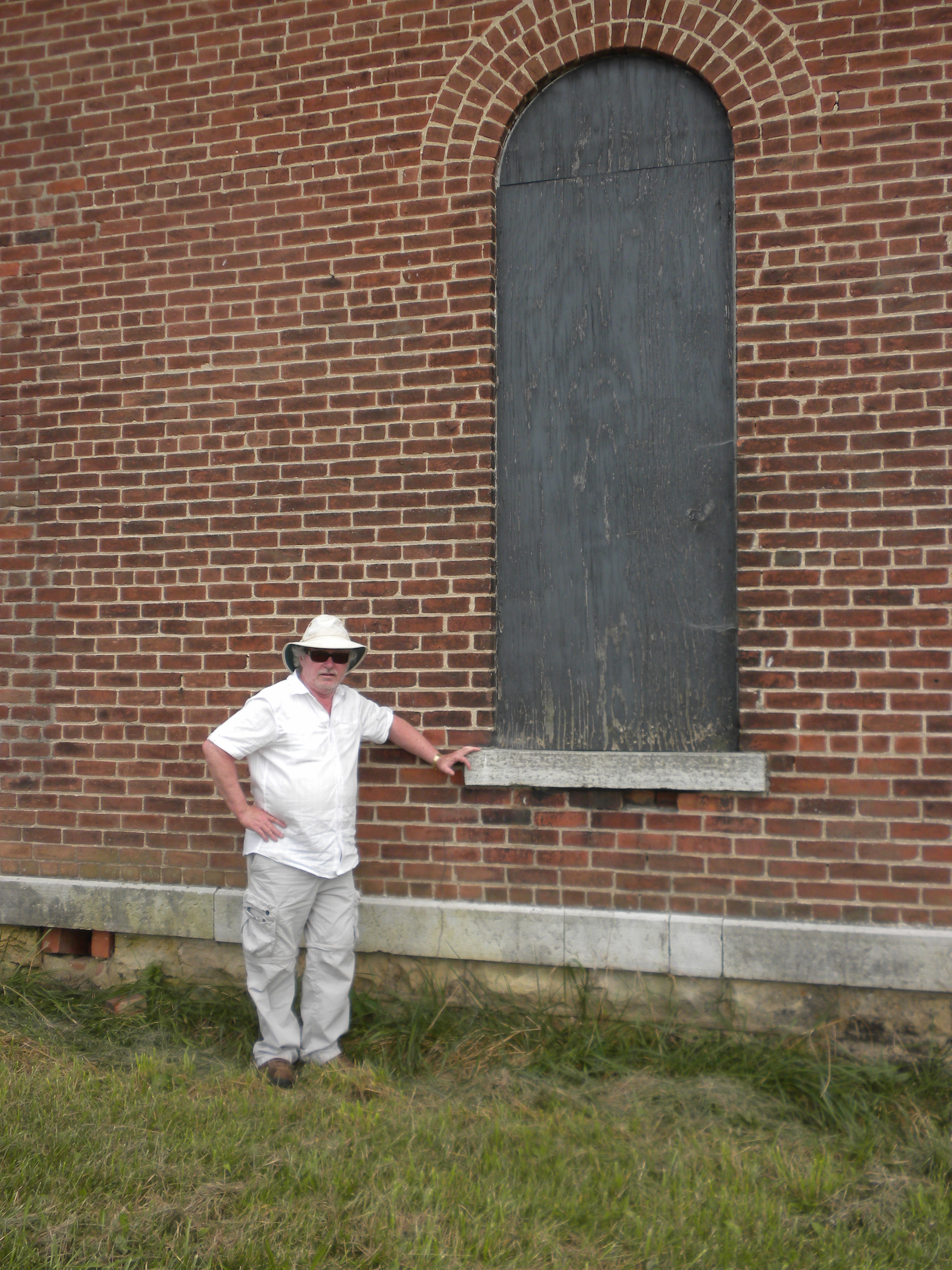
Dad enlisted my Grandfather–a bricklayer and stone mason–to help with the brickwork and to drop the ceilings to eight feet. To do this, they ran joists over the long windows, bricked up a few windows, and the front door. This removed any possibility of a later historical renovation.
I was not too upset about the loss of the front door, as this door was what introduced me to the concept of ugliness. The paint was scaly, twisted, gray lead paint that had been peeling off for years. The summer sun sharpened the image before my eyes, dust motes floated in the dusty air the smell of broken plaster invaded my nose––and I thought it was ugly––bad looking. I had never considered anything ugly before that.
Bonehead Allred, a cousin of my Dad’s, dug a false well for the pumps and pipes and ran pipes to the house. Even as a first grader, I wondered why anyone would call him “Bonehead”. He seemed friendly and smart to me. This was my introduction to type-casting social shaming.
The plumbing went in, partitions went up. drywall was crucified on the furring strips. We moved in long before my father’s original vision for the place was complete. We did have running water but the water heater had not been installed and the drywall was left unprimed. It seems like it took many years for Dad to get back into the remodeling mood. Much of the interior finish was left for me to do when I was old enough to do it.
Nevertheless, we made the place a comfortable home that lasted for thirty years. We still relied on an oil space heater. Winter mornings became a race to the stove to warm our clothing.
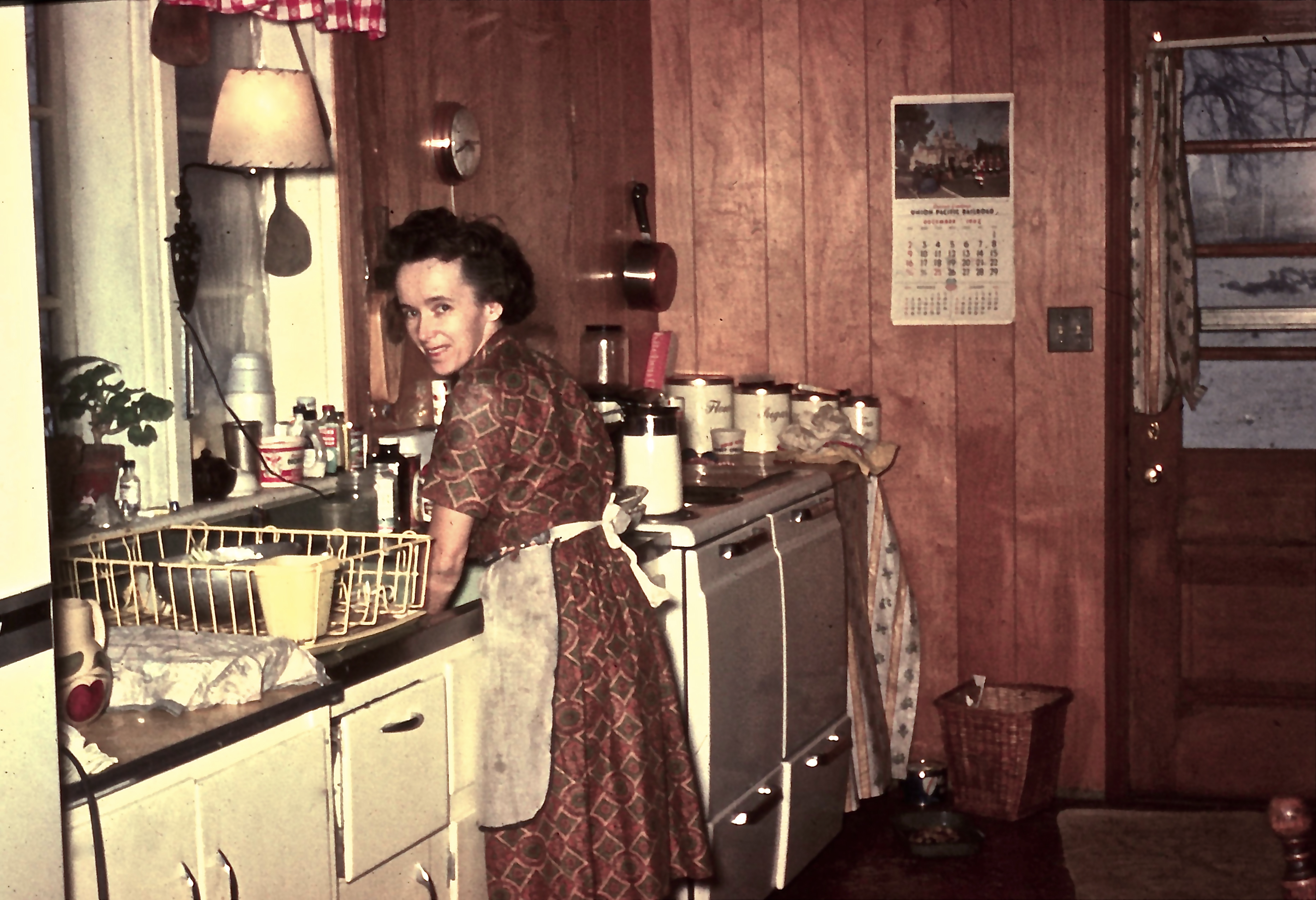
My mother never liked living there. It was a lot of work to care for the huge yard and gardens while still trying to finish the remodeling.
Friends visited and played croquet, badminton, and horseshoes in the great backyard. I would return many holidays after I left home and bring my New York City and Chicago friends to a sumptuous dinner at the country kitchen. They always had a wonderful time.
Dad finally realized he no longer had the energy to complete his vision and settled down to his historical research and cataloging old county cemeteries for posterity. My father died in 1974. My mother did not want to remain in Greenville. She sold the household items and antiques at a big estate sale in the backyard and moved to Denver, Colorado. Her sister had inherited her father-in-law’s home. It was empty and ready for Mom to occupy and start a new life.
The schoolhouse sat empty for twenty years while the family established Colorado as their new home. Finally, my mother decided to sell it. A real estate agent bought the land and let it sit empty for another twenty years.
I had hopes it cold be saved, It would be a fine museum. Others thought so as well. Time ran out as it tends to do on all. In late September of 2025, they tore the building down.
I knew it would happen, but I couldn’t live there or save it. Ten years before I had written a poem about what I envisioned.
“They are tearing down
my childhood home today,”
he said, wishing instead
he were already dead.
“I should not watch.
It is a sad thing to see,”
he thought, thinking softly of the past,
wishing it could forever last.
“I wish I could have done more to save it,”
he mused, feeling the blues
as it oozed from the news.
“I ate watermelon at the kitchen table,
sweet as summer’s breath,” he said,
tasting the juice that his mind reproduced.
“We had many a memory in that house,”
he understated,
watching as his
reality was castrated.
“I wonder it I was happier
back then than now,”
he exclaimed, unashamed
that he had no fame.
“Probably not,” he said to himself,
knowing he had not mastered laughter
in the face of disaster.
“Some folk’s homes become museums,”
he pondered as his thoughts wandered. “
I was never that important,”
he concluded, as he brooded.
The old trees were destroyed. The site was leveled like a parking lot. Now I feel even more regret. We live in an era where greed dominates, and the past, for many, is simply a quaint memory easily forgotten. Progress is shiny and new. The past continues to age as it deteriorates with time. The old school will join the great heap of forgotten histories and stories unremembered, as will we all.
Chapter 27: From Tribes to Nations, by Kenneth Harper Finton
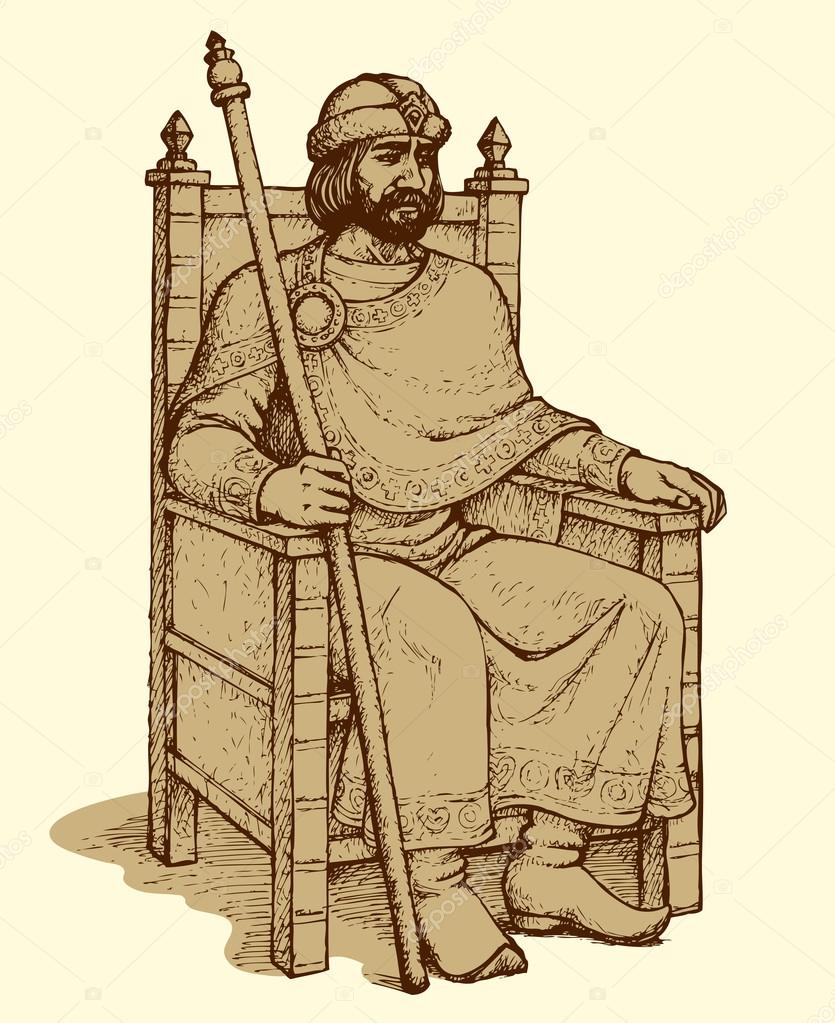
ALFRED THE GREAT
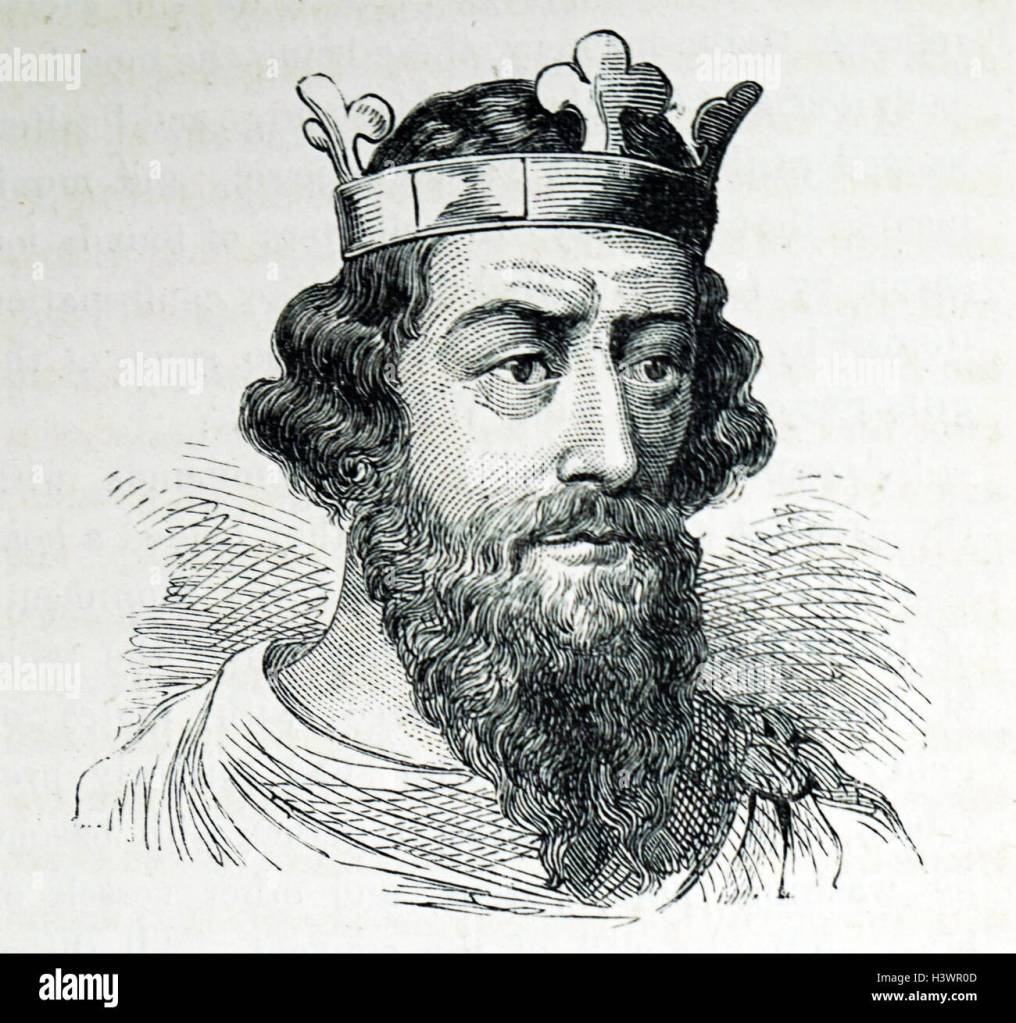
Alfred, the fifth son of his father, Æthelwulf, was a child of unusual talent and bearing. He was a handsome lad, prematurely an adult from his earliest days. At the age of five, Alfred was sent off to Rome . There, Leo IV confirmed him and hallowed him as “king”. This was most unusual, since at the time Alfred had three living brothers older than he in line for succession.
At age fourteen, the lovely Judith became the second wife of Alfred’s father, Æthelwulf. When he died two years later, she shocked the country by marrying her stepson, Æthelbald, who was Alfred’s brother. Upon his death, after a very short reign, she returned to France.and, in 862, married Baldwin I [Iron Arm], Count of Flanders.
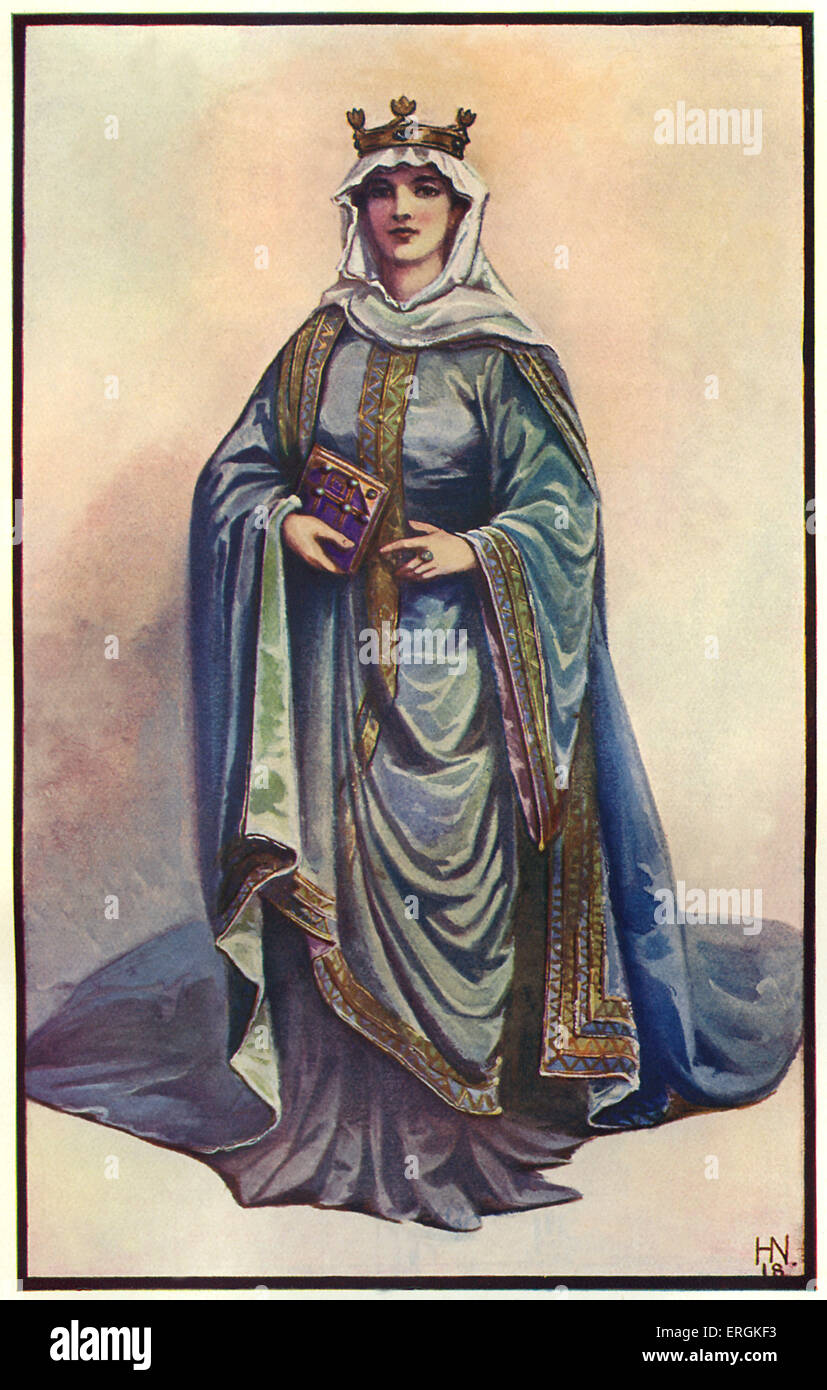
Queen Judith
During this time with hid mother in France, Alfred’s playmates were Charles, the boy king of Aquitaine, and his sister Judith, both children of Charles the Bald, Holy Roman Emperor and grandson of Charlemagne.
Again in 855 Alfred went to Rome with his father, possibly to secure some titles that were to be bestowed upon him. Two years later, his father died. Alfred’s older brother Æthelbald took the throne, followed shortly thereafter by Æthelbert who ruled until 866. Alfred the Great married Elsywyth of Mercia in 868. Elsywyth was born in 848 in Wantage, Berkshire, the daughter of Æthelred Mucil, who died on the 22nd of October of 899.
The Danes had occupied London and their army had been fortified at Reading. London was not the capital and bustling city of later years, but a town in the Kingdom of Mercia. From these points, the Danes moved forward and met the West Saxons on the Berkshire downs in January of 871. Here was fought the important Battle of Ashdown.
Though he was warned that the battle must be joined, Alfred’s brother Æthelred, the King, tarried for hours in his prayers. According to Bishop Asser, who left an account of Alfred’s life: “seeing the heathen had come quickly on the field and were ready for battle… [Alfred] could bear the attacks of the enemy no longer, and he had to choose between withdrawing altogether or beginning the battle without waiting for his brother. At last, like a wild boar, he led the Christian forces boldly against the army of the enemy… in spite of the fact that the King had not yet arrived.”
The battle lasted through the day. The King finally joined Alfred in the field. At last the Danes gave way and retreated, pursued by the Saxon forces until the whole length and breadth of the Berkshire downs [Ashdown] was filled with their corpses. One of the Viking kings and five of his jarls were found among the slain.
Though this battle did not break the back of the Danes, it takes its place in history for the significance of the issue. Had the West Saxons lost, all England would have fallen before the Danes. The victory restored the confidence of the West Saxons and gave Alfred the fame and support necessary to continue his resistance. When brother Æthelred died later that year, there was no debate as to whom his successor would be. At twenty-four, Alfred was King.
The Danes were strongly reinforced from overseas. Six or seven battles were fought and the Danes held their ground. The “summer armies” were difficult to beat and Alfred’s forces were whittled down through desertion and death. Alfred decided to come to terms while he still had an army left.
A treaty was signed whereby the Danes would make peace if the Saxons retreated and paid tribute. Alfred did so and enjoyed five years to consolidate his defenses and power. What led the Danes to make such a treaty is unknown, but a change had come over the Northmen. Those who had for centuries invaded and plundered had begun to take up the land. The sailors had turned soldier, the soldier turned yeoman. It was not that they wanted peace. They still desired all of England, but Alfred’s stubborn group had taken its toll. For now, they were content to settle the lands they already held.
Five years later Alfred’s truce ended. The Danes, under Guthrum, had developed a plan to take Wessex. Alfred sought peace and offered to pay a tribute for it. The Danes took the gold and swore they would keep the peace, but suddenly they seized Exeter.
Alfred and his troops were after them, but found them in a fortress where they could not be touched awaiting reinforcement. They lay siege for a month as the fortress ran low on supplies. The Danes finally decided to break away from the fortress by sea and sent more than a hundred longships to their rescue.
In those days, people believed that the weather was ruled by God and Alfred was fortunate to have God on his side. A dense fog followed by a frightening storm came over the sea. A hundred and twenty Viking ships were sunk and more than five thousand of the perjured Danes died before the storm’s onslaught. Alfred, watching safely from the shore, found the Danes in the mood for another treaty. This, they kept for five months.
In January of 878, Alfred’s fortunes reversed. While his army celebrated the Twelfth Night, the Danes swooped down on them in the dark, killing many. Most of his army fled to their individual homes and Alfred was left with a handful of officers and personal attendants, forced to take refuge in the swamps and forests of Somerset.
For some months he lived as did Robin Hood many centuries later. Here, Alfred found security in his wilderness retreat.
One day it was so cold that the waters were frozen underfoot. Alfred’s attendant shad gone out to find food enough to feed them for the day while Alfred stayed alone in the royal hut with his mother-in-law, Eadburga. The King always carried a writing tablet along with the Book of Psalms by David.
A poor man appeared suddenly at the door begging for bread. Alfred, in his usual manner, received the stranger as a brother and called upon Eadburga to give him food. She replied that there was only one loaf of bread and a little wine left in the pitcher, but Alfred insisted that he be given what was left. Alfred then fell asleep while reading. He dreamed that St. Cuthbert stood before him and said he had taken the form of the beggar. He told Alfred that God had noted his afflictions and assured him that his fortune was about to change.
When Alfred awoke, the beggar was not to be seen. The loaf of bread remained whole and the pitcher of wine was filled to the brim. Alfred recounted his dream to his mother-in-law. She said that she too had fallen asleep and had the same dream. While they still talked of the amazing event, the attendants returned with enough fish and fowl to feed an army.
Toward the end of Lent, the Danes attacked one of Alfred’s strongholds on Exmoor. According to Hodgson: “…in besetting it they thought the King’s thanes would soon give way to hunger and thirst… since the fortress had no supply of water. The Christians, before they endured any such distress, by the inspiration of heaven judged itto be better either to suffer death or to gain the victory. Accordingly at day-break they suddenly rushed forth against the heathen, and in the first attack they laid low most of the enemy, including their king. A few only escaped by flight to their ships.”
Eight hundred Danes were killed that day. Among the spoils of victory, the Saxons captured the sacred flag of the Vikings called “The Raven”. This enchanted banner whose lifelike bird fluttered in the wind was said to have been woven in one day by three daughters of Ragnar Lodbrok. According to Hodgkin: “…in every battle in which that banner went before them the raven in the middle of the design seemed to flutter as though it were alive if they were to have the victory.”
On this day, the wind did not blow and the raven hung lifelessly in its silken folds. News of this defeat was quick to spread. When Alfred heard of it he left his hideout and once again raised a call for arms. News that he was alive and well excited the masses and the warriors returned in great number. Soon, Alfred was again marching in front of a grand army.
They met the Danes on the downs at Æthandun, now called Eddington, and fought the culminating battle of all Alfred’s wars. Everything was at stake. Both sides dismounted their horses. The shield walls formed and the two armies clashed for hours with sword and axe. The Danes were routed and Guthrum found himself entrapped in his own camp. Desperate, he begged for peace, offering to give Alfred as many hostages as he desired if he would let him leave these lands forever.
Alfred, however, had other designs with a more farsighted point of view. He meant to make a lasting peace with the Danish king. They were in his power. He could have starved or slaughtered them to a man. Instead, he received Guthrum into his camp, entertained him for twelve days, convinced him to be baptized to the Christian faith, and called him his on. Realizing that East Anglia (a small territory north of London) was a Danish province, Alfred offered to divide the land with him so that both could share in the glory of the new nation.
“The sublime power to rise above the whole force of circumstances, to remain unbiased by the extremes of victory or defeat, to persevere in the teeth of disaster, to greet returning fortune with a cool eye, to have faith in men after repeated betrayals, raises Alfred far above the turmoil of barbaric wars to his pinnacle of deathless glory.” -Winston Churchill
Fourteen years of peace were to follow. Alfred began the gargantuan task of reorganizing his lands and brought culture back to his island nation. He restored London, rebuilt the walls and started the town on the road toward becoming the capital city. He reorganized the “fyrd”, dividing the peasantry into two classes which rotated service in forty day increments. Now the soldiers would not desert on long campaigns, knowing that someone was there to care for his lands and that he could return home and do the same shortly.
Next, Alfred’s attention turned toward the sea. He made great departures from the norms in ship design, building much larger vessels that rode higher and steadier than the others. His work was premature only due to the fact that the big ships were beyond the skill of the inexperienced seamen to handle.
He founded schools and universities and caused translations of great works to be made in the English language. Until his time the English had only written songs and epic poems. Alfred began the Anglo-Saxon Chronicle to compile the history of the land, and English prose was born.
The Laws of Alfred, continually added to by his successors, eventually grew into the English Common Law. Alfred’s Book of Laws or Dooms attempted to blend the Mosaic code with Christian ethics and Old Germanic principles. “Do unto others as you would that they should do unto you”, became in Alfred’s words: “What ye will that other men should not do to you, that do ye not to other men. By bearing this precept in mind a judge can do justice to all men. He needs no other law books. Let him think of himself as the plaintiff and consider what judgment would satisfy him.”
He gathered scholars about him. He used every spare hour he could to read. He also listened to books read by others. He carried with him a little handbook, constantly pausing to write down thoughts as they occurred to him. The singers in the court found Alfred to be a fellow troubadour. He loved to gather the old songs of his people. He taught these songs to his children. The children that he raised proved to be the most able leaders of their time.
Alfred drew up plans for buildings. He took care of the affairs of his court. Alfred instructed craftsmen in their workings with gold. He would pause in his travels to converse with strangers. He taught even the falconers and dog breeders new things about their business. It seemed there was little in the world of ideas with which he was not more than adequately familiar.
He spent many an hour soothing his depressions with the music of the Psalms. He wrote: “Desirest thou power? Thou shalt never obtain it without sorrows–sorrows from strange folk, and yet keener sorrows from thine own kindred… hardship and sorrow, not a king but would wish to be without these if he could. But I know that he cannot.”
Alfred took the time to translate books into English himself. Yet, he was more than just a translator. He was an editor for his people, omitting this, expanding upon that, changing the whole design of English literature.
One final war was Alfred’s lot. The Vikings had invaded France, sailing up and down the rivers with every device of war known to man. They laid siege on Paris; they invaded Germany. The Danes seemed to fan out in all directions. However, they faced resistance on too many fronts. It was more than they could handle. Once again Viking ships looked toward England. Guthrum died in 891, keeping peace with Alfred to his last breath, but with his death, Guthrum’s Peace ended. The next year, a hostile armada of two hundred and fifty Viking ships arrived. They landed at the edge of the forests near Appledore. A second force of eighty ships sailed up the Thames. Kent was to be attacked from two sides.
Alfred had prepared the country well. Food and wealth had been gathered again. Additionally, Alfred’s twenty-two year old son, Edward, had become an able commander. He could lead his father’s forces in the field. Alfred avoided war for several years. He preferred to pay some Danegeld to Haesten, the Viking king. This payment was for promises of peace. Alfred also convinced Haesten to have both his sons baptized as Christians.
In 893, a third force arrived and attacked Exeter. Young Prince Edward routed the raiders. He sent them swimming up the Thames for their lives. The Danes had fortified themselves below London. Edward and his brother-in-law, Æthelred, raised a strong army in London, then fell upon the Danes at Benfleet. According to the Anglo-Saxon Chronicle: they “put the army to flight, stormed the fort, and took all that was therewithin, goods as wells as women and children, and brought them all to London.”
Among the hostages were the Danish leader’s wife and two sons. Alfred sent Haesten’s wife back to him on humanitarian principles, an act unheard of and highly criticized for many years.
“As for the two sons, they had been baptized; he [Alfred] was Godfather to one of them, and Æthelred of Mercia to the other. They were therefore Christian brethren, and the King protected them from the consequences of their father’s wrongful war. People in the ninth century found it very hard to understand this behavior. During that time, the kingdom was fighting desperately against brutal marauders. However, this is one of the reasons why in the after-time the King is called ‘Alfred the Great’. The war went on, but so far as the records show Haesten never fought again. It may be that mercy and chivalry were not in vain.” -Winston Churchill
“So long as I have lived,” Alfred said, as death closed in upon him, “I have striven to live worthily.”
Most people honestly believe that we have left the feudal system behind us, though I cannot imagine why they believe this. They are correct only in the respect that the economics have changed and feudalism was not just one system, but many different systems in many different places.
We no longer have kings; we have presidents and prime ministers. These rulers are often elected to office, yet the system is set up so that the same principal families still rule the vast majority of the wealth in the world. Democratization has diminished the power of the elite, but only superficially. Lower classes may now join the elite in principle, but that is not something new, as rising from the ranks has been accepted for millennia.
We are still a world of lords and ladies. We still call our owners of land “landlords.” Lenders administer over the estates, both directly and with agents acting in their behalf. The sheriff still handles the land disputes and tenant problems. The vast majority of apartment dwellers and tenants of commercial buildings are still peasants, though we refuse to call them such. Their living conditions have improved dramatically, but their rights and social status have improved little.
Most of us are at the mercy of our respective lords for employment, a human condition equal to the right to work the land. Those of us who are self-employed enjoy a freeman status, often mixed with the duties of the lord. The retailers around us are still shopkeepers, but the trend is toward a mass merchandising economy that reduces the status of the in- dependent retailer to a managerial occupation, more akin to being man-servant to the lord. That lord, in turn, owes allegiance to a higher duke. Eventually, the money flows back to the lenders, who maintain a form of control through governmental policy and free market control.
Those of us who are talented or highly educated have become the modern versions of scholars and artists. Endowments from governmental and private sources still allow the caretakers of the wealth to control the direction of research and artistic expression.
We have a tendency to create kings and queens whenever the position is vacant. We refer to John Wayne as “the Duke”, giving his imaginary roles a place in our reality that was once taken by a noble warrior or knight.
The fact that he never lived any of his screen exploit does not diminish our need to believe in such a hero. The need for heroes is innately human, as ancient as the race itself.
Likewise, the need for kings and queens is a human condition. If the political system does not bring them forth, we crown heroes, actors, athletes, and entertainers. For a brief time in the early 1960’s, America had three kings––John Kennedy, Martin Luther King and Elvis Presley. All had varying degrees of popularity and none were popular to all the population, but there is little point in denying that they were treated and referred to as “kings”. Everyone who lived in the 1960’s remembers Camelot.
The very act of enthronement changes the person who ascends the throne. Responsibility is a heavy cloak that wears the one who wears it. People of strong vision and personality, people capable of setting a course for the future, have always been plentiful. Each of us play our own role in this drama each day of our lives. Yet, great world shapers are swept by the tides of the time. Their importance is judged by future standards, in the light of yet another time.
Historical novels, romances, and science fiction combine to tell us that our human condition is essentially the same in any age. Jean Aul points to the basic humanity of the tribes soon after the Ice Age in her novels about “Earth’s Children”, Robert Heinlein divides parallel universes with different time lines where the details of historical events can differ in each universe. Other dreamers project their fantasies far into the future, but the basic humanity of the characters differs little from the projected future, to the present, back again to the ice-age brother.
Our self consciousness itself, in itself, sets were us apart from any other living thing, we all do little but pass time in many different ways. This flowering makes us individual, each one of us passing time differently, creating many diverse and individual legacies in our wakes. Thus, we create riches and distinctions, and these creations lead us to then illusory belief that we are important.
Our nature requires us to feel that we are important, despite massive evidence to the contrary. Each of is feel that we are right. Each of us need a positive self image to function in the world, even those of us who have committed heinous acts. We find ways to rationalize and excuse out behaviors to hat we may accept ourselves.
We stratify like rocks. We cling to one another. We combine like chemical reaction to produce yet another wonder. We build out neighborhoods like natural elements pooling into deposits. We seek out status like liquid gold pressed into veins.
The judgments of one era may be reprehensible to another. When we socially ban slavery and then continue to discriminate against the new class, we create a large class of the disenfranchised. We seem to often trade one form of slavery for another. We condemn genocide and the political systems that have used it, but we are often helpless to prevent its recurrence.
The passing of power and the combining of age are seldom smooth transitions. We see small examples of this in the conflict of the generations. Nature devises adolescent rebellion and discontent so that the species may propagate in different locales.We, like the beavers who build the dams, pride ourselves for learning to tame and harness the forces or nature. We prosper when we make nature work for our own ends. Often, we think of ourselves as a species that has risen above nature to a position of empowerment and control, but more and more we are learning that these are only the delusions of a lesser god.
In fact, we are rooted in nature and we are but a small part of it. Our cities have become a part of the natural landscape. Our smog has become a part of the environment. Our polluted waters have become a part of the natural setting, and our mastery over other forms of life has changed the ecosystem. We are possessed by nature and have, in turn, changes our possessor.
I love a great short story. Problem is, there are too few of them.
How many great short stories can you name out of the blue?
Perhaps you are better read than I, because I can only think of three.
1) “A Christmas Carol” by Charles Dickens. Scrooge is an icon. Dickens was paid by the word to run his work serialized in the newspapers. That is why so many of his works are tediously long.
2) “The Old Man and the Sea” by Ernest Hemingway (more a novella than a short story). Even though I forget the Old Man’s Spanish name, I still smell the sea and the fish and feel the sting of rope on my hands as the big fish fight.
3) “The Gift of the Magi,” the great O’Henry story about the man who sold his watch to buy a fine hair brush for a his love while she cut off her hair and sold it to buy him a watch fob. Maybe that was not the story exactly, I do not remember, but that’s a decently good one the way I described it.
Short stories are easy to read.
They take more time than a blog or a post, so they require more time and effort from the reader. But when they are good, they are outstanding.
Many great television mini-series are really enacted series of short stories that follow the same characters. This allows for character development. Come up with a great character and anyone will want to know them––love them or hate them. TV dramas are simply short stories with added visual action. The script does come first.
Written short stories are often better than TV stories.
We get to visualize our own image of the character and the setting. We get the added sense of smell from compelling descriptions.
I believe that most novels could really be told in the time is takes to read a short story. I believe that every chapter of a novel could be––and perhaps should be––a stand alone tale that either leaves you wanting more or thinking about the implications of what that story means to you.
I think that a writer can serve themselves best by writing smaller works that can later be entwined and stitched together to make a larger work.
My grandfather was always an old man to me. He was nearly seventy when I was born, thirty five years older than my father. Grandpa smoked a pipe and cigars and always smelled of strong tobacco.
We would spend many hours on the back porch cracking hickory nuts and walnuts with a hammer. He and I ate raw hamburger on crackers together followed by thick slices of limburger cheese.
Grandpa played the fiddle well at one time, but arthritis slowed his movements in his later years. The fiddle sounded pretty squeaky to me, but the tunes he played stayed with me forever.
Grandpa told me tales about his turbulent school days. He related these stories with a crooked smile that exposed his tobacco-stained teeth below his bushy white mustache.
In those days, school ended for most rural folk in the eighth grade. With an eight-year education, students could take a teacher’s examination and become a teacher themselves. Some of the students were as old as the teacher.
One of his male teachers had a bad habit of tossing a knife at his students for any infraction of his rules. One day Grandpa turned around to say something to a classmate seated behind him and that teacher threw the knife at him. It stuck in his desk. Grandpa got out of his seat and attacked the teacher.
The pot belly stove was red hot and blazing. Over it went, stove pipe and all, along with the teacher’s desk and several stools.The fight boiled over to the outdoors and ended with the knife-tossing teacher being taught a lesson by one of his older pupils.
Grandpa told me a story about one lady teacher about his age who was “soft” on him. Evidently, this crush was a one-way street, as Grandpa didn’t give a whit. He had made a sled which consisted of a thick plank with a bevel on the front end. That day there was a heavy snow on the ground with a thick crust. Grandpa and some of his friends went out to slide down the hill. The teacher wanted a ride, so Grandpa agreed to let her take a ride. He headed her in the direction of a small stump that barely showed above the thick crust. When she hit the stump, the teacher rolled head over heels. Her skirt billowed up over her head and showed more than she wanted her students to see. When Grandpa sheepishly helped her back up she told him: “I’ve seen enough of you to know that you’re no gentleman.”
Grandpa replied, “And I’ve seen enough of you to know that you’re no gentleman either.”
He told me these stories with a crooked smile that exposed his tobacco stained teeth below his large white mustache.
* * *
In October of 1960, I saw Grandpa alive for the last time. I had graduated from high school and spent the summer remodeling the house. Dad never seemed to have enough time of energy to work on the house. He was busy with his historical research and tracing genealogies. Gradually, I learned some basic skills and did all the handiwork at home.
Grandpa had been in a sanitarium for several years after suffering a series of strokes. In his late eighties, he was a dimmed shadow of the man he used to be. He was unable to speak. His eyes were barely visible through slits in his fleshy eyelids. His abdomen seemed puffed. He tried to speak, but only a squeaky whimper came forth. His hands twitched like the paws of a dreaming dog. He tried to move from one side to another, but he was like a car stuck in the mud. His mouth looked like it was bound with wire. Death, I realized, would be a blessing to him. Finally, he passed on and we buried him in the family plot in early November of 1960. He looked peaceful and at rest, more like the man I had known most of my life.
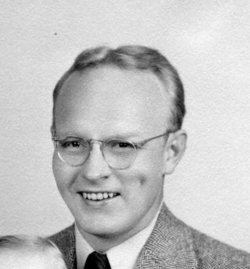
William Kenneth Finton
My father was somewhat of a mystery to me. He was bright and literate. He supported me in most everything I wanted to do. He played his vast collection of sound recordings often, so I became well versed in music from the time that recorded music was invented. Dad has a booming bass baritone voice and often sang along, or showed me songs of his own making. Everything he did made lasting impressions on me.
My father had missed his calling somehow. He was the type that needed to love his work, but he had settled for working for others in a factory setting for a wage. He had tried self employment often, but he could not make enough money for the family in an independent workplace. Some might say it was his own fault for not trying hard enough, but I knew better. He loved his family first and foremost. The all-consuming drive that is necessary for great success eluded him by personal choice. It was his lot to put home and family before personal satisfaction and work.
I think I summed everything up in a poem I wrote about Dad twenty years after he died.
We lived in the country about two miles from town. Dad had purchased an old brick one-room schoolhouse in 1948 from the county when they built a new school for the country folk consolidated all the one-room schools. He and Grandpa immediately went about the business of ruining it as an historic landmark. They broke up the large one room into four square rooms 15×15 with a ten foot hall between the sections. Two of the squares served as bedrooms, one served as the kitchen and one the living room.
They took out the lovely front door and cut a hole for a back door, bricked up a few of the long church style windows and lowered the ceilings from sixteen feet to eight feet. Dad wanted it to look like a normal home with a columned porch and a horseshoe drive, but this never happened. After he put the wiring in and ran the water from the false well, he drywalled everything and taped it. He ran out of steam very quickly. The rooms did not get paint for seven to eight years. By this time the drywall was brown with age and nicotine. The taped joints and the spackled nail holes stood in tasteless contrast to the tanned gypsum board.
Dad smoked unfiltered Old Gold cigarettes until they came out with Winston filters, then he switched. Sometimes he would smoke a pipe. I loved the smell of a pipe and could not wait until I had my own pipe and tobacco. Dad smoked Carter Hall tobacco when he smoked the pipe.
Mom always hated the schoolhouse. She had been used to a more traditional housing and thought that camping out in a unfinished home was not dignified enough. She has a dour attitude all the time she lived there and moved out as soon as Dad died.
A quarter mile north of our place was the Children’s Home. When I was a small boy, I often went there to play with the kids. They has a stout playground with a tall steel slide, that burned your skin in the hot summer sun, swings made with thick chains and seats of steel, and a small old carousel that always squeaked. The older boys did farm work and were called “barn boys”. I was not really old enough to play with them, but they let me hang out with them anyway. I first learned to ride a horse in the pasture between our house and the Children’s Home
REMEMBERING MAXINE
DORIS MAXINE HARPER FINTON SACK
born October 18, 1919, died January 20, 2009
It occurs to me that when you are talking about the life of a person and the meaning of the time they spend on earth, you are entering a gray area—a scary place that not many people like to go. You are talking about the evolution of a spirit—the changes that a lifetime makes in a soul. At the same time, you are being judgmental, revealing your own values, beliefs and patterns of thought in your words and praises— judging how the other person stood up to your own peculiar beliefs and evaluations.
Maxine was one of those rare species of human beings that took pleasure from being in the service of others. Not that she was totally selfless, as few of us are. Not that she was a saint, as none of us have perfect love, perfect lives or perfect morals. Only the long dead folks are made saints—and even then, it is only after the life they really lived has been selectively forgotten.
Born in Salem, Oregon, October 1919 and living into January 2009 mathematically made Maxine 89 years old when she died, but the view outside the window of her person was truly remarkable. She never knew her father, Clinton Byron Harper. He died of Spanish Influenza before she saw the first light of day. She was raised by her mother, Cora Mae Gilmour, a descendant of European royal families that never had the slightest taste or knowledge of the diluted bluish blood that flowed in her veins. Cora took in washing and did people’s laundry during the Great Depression. She struggled hard to raise her three daughters, Florence, Ruth, and Maxine. Cora left Oregon shortly after Maxine’s birth to live in the middle of the Kansas prairie with her father, Hedron Walker Gilmour, a short, thin and dapper man who loved the arts and entertainment. Hedron was an amateur magician and painter who became another big influence in Maxine’s early years.
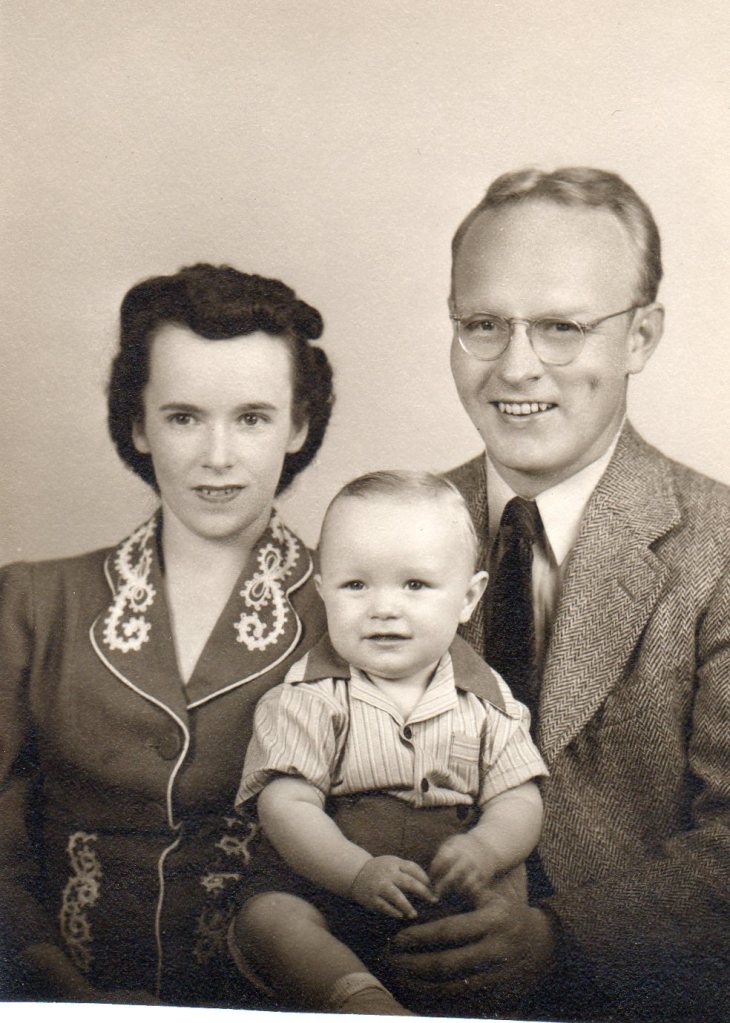
After Maxine graduated from the Minneapolis Kansas High School, she moved to Denver, Colorado to live with her older sister Florence. She went to beauty school, though she rarely practiced the trade, just as her mother had gone through optometry school and never practiced that trade. Instead, Maxine waited tables on roller skates and went dancing with her friends as much as she could. It was at one of these dances that she met Ken Finton, an indisputably handsome man with Titian gold hair and a baritone voice to match those golden locks. He would become her husband of over 30 years and the father of her children: Kenny, Billy, and Jean Marie.
Ken would move her to Ohio where they would spend their life together near his family. They were married November 15, 1941. Just a few short weeks later, Japan bombed Pearl Harbor. This act changed the lives of every American forever.
Maxine did not follow in the footsteps of Rosy the Riveter and go out into the workplace to replace the missing men in the American factories during the war. Instead, she had a baby —namely me—and sat out the war on the sidelines, staying sometimes in small apartments in Cleveland and Greenville, Ohio and sometimes with Ken’s parents. For a while in 1944 and 1945, she lived in Gainesville, Florida while Ken was stationed in Fort Blanding. They returned to Greenville where Ken first found work delivering fuel oil for the space heaters of Darke County’s many farm houses. Afterward, Ken opened a small gas station with his Flying Red Horse Mobil Oil Company contacts.
Ken’s attempt at the independent life did not last very long. He was forced to take refuge in factory work when a new baby decided to come into the family. The money was not great, but the job was steady and not overly demanding. He worked in quality control inspecting taps and dies for a branch of the Detroit Tap and Tool company called Sater Products. This work lasted he until he retired at 64.
Around 1950, the schools in Darke County consolidated and left quite a few one-room brick school houses vacant. Ken was able to buy one of these abandoned schools and had the idea that he could remodel it into an ideal two story home with the help of his father and family. However, Ken was not a talented builder. The schoolhouse was divided into four 15×15 rooms with a bath and a hallway, but that is about as far as it went. This was much to Maxine’s dismay. She never liked the dwelling. It remains a schoolhouse on the exterior and a two bedroom home on the interior to this very day.
Maxine spent the 50’s raising her two boys. There were plenty of instruction manuals on how to do this. Dr. Benjamin Spock had written his famous book that took the world by storm. In 1946, Spock was given the chance to publish his iconoclastic views in The Common Sense Book of Baby and Child Care. Along with everyone else, Maxine and Ken read it, of course.
In the 50’s strange new gadgets appeared on the roofs of American houses as television became a household necessity. Leave it to Beaver, Father Knows Best, and The Nelson family’s The Adventures of Ozzie and Harriet did not hesitate to show how child rearing in the 50’s ought to be.
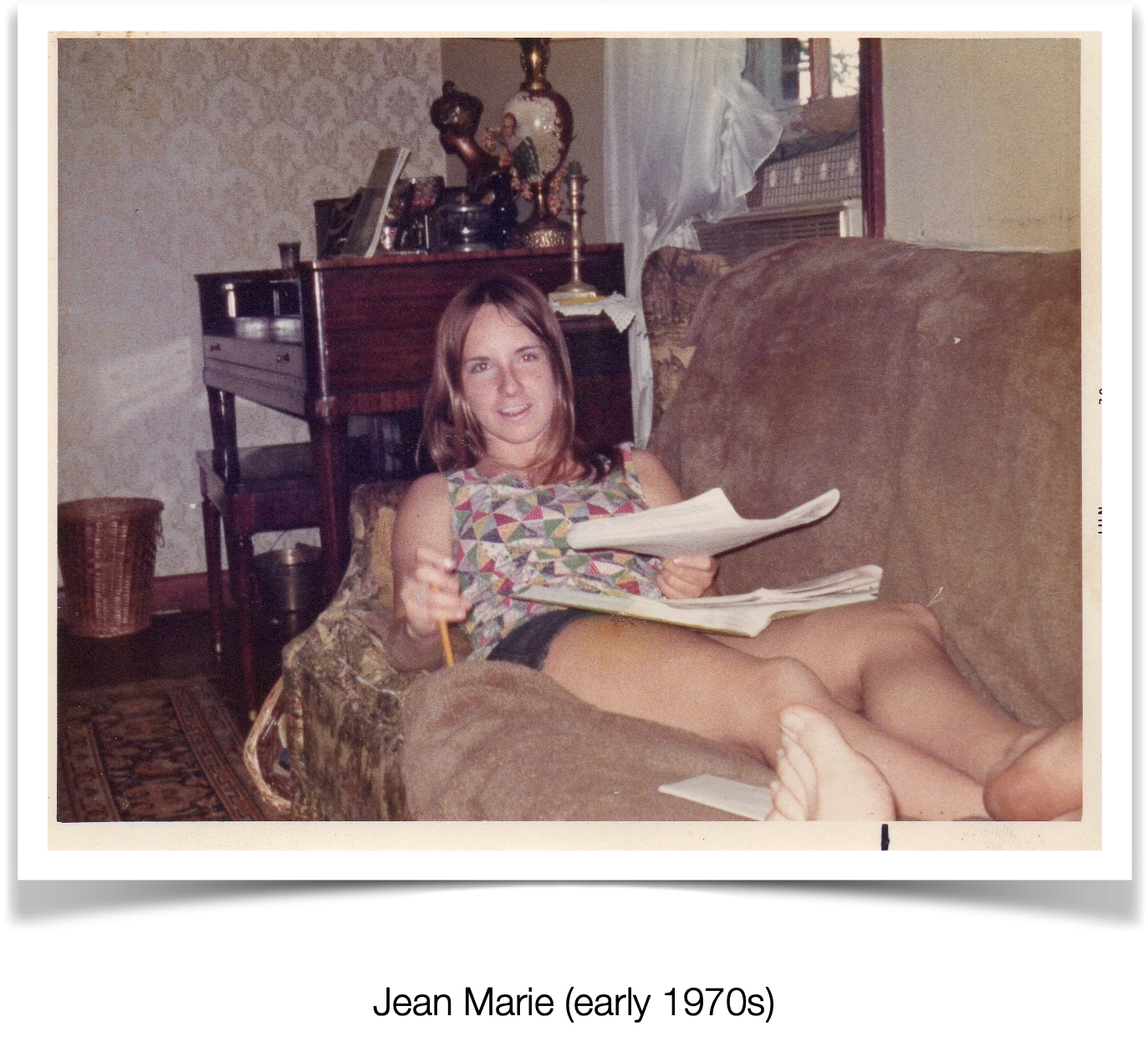
None of these shows were much like our own personal lives, but that did not matter much. With TV in most homes, everyone had a living model of the way things should be. A woman’s place was definitely in the home for everyone but school teachers and nurses. Thus, Maxine stayed home to raise the kids most of the fifties, though she secretly would have preferred to be out in the workplace. Despite the social norm, Maxine did take temporary work as a cashier at some grocery stores and the five and ten cent store now and then. But in 1956, a new daughter that we named Jean Marie came as complete surprise to the everyone—fifteen years after the first baby—and once again life was changed for all.
As to religious views, the family was for the most part not serious about churches and religions. This changed a bit in the late fifties when Ken and Maxine started studying the Bible with John Timmons and his wife who were Jehovah’s Witnesses. I am not sure what swept them up into this strange, cultish group. It was probably the strong personality of John Timmons more than anything else, but I was young and impressionable and was swept up into this myself at the time. By the time I graduated high school, I had moved well beyond fundamentalist viewpoints, and developed interests in sciences, as well as philosophy, eastern religions, archeology, history, and music.
Ken died suddenly of a severe stroke in 1972. A few years later, Maxine sold off many of her Ohio possessions and moved to 1289 Clayton Street in Denver where she lived in a house that originally belonged to the Muckle family. Maxine’s sister Florence had married Paul Muckle. His parents had both passed away and the big old turn-of-the-century home sat empty at the time. Once again, like the time after Maxine’s’ graduation, her older sister Florence was there for her in her time of need and confusion.
Florence had come to Ohio when my brother Billy was born and we had visited her several times in Colorado—once by train when I was around six and several times by auto when Ken took his vacation.
HEDRON WALKER GILMOUR
THE GILMOUR PLOT, MINNEAPOLIS, KANSAS
The tombstone of Hedron Walker Gilmour is the foremost stone, Minneapolis, KS.
Hedron Walker Gilmour (called “Hede”) was born at the family farm in Illinois, but homesteaded the Kansas prairie when the opportunity arose during the land rush. He had two homestead claims where Minneapolis, Kansas now stands. In 1990, one of the frame homes he had built still stood in Minneapolis.
Hede was a man of many talents. When still a child, he developed an interest in magic. Once he decided to run away from home to join the army to become a drummer boy, so he hopped on a slow moving freight train near his father’s home. He was quickly caught by the railroad bulls and hurled off the moving train. Dejected, he had to walk the many miles back along the tracks to his father’s farm. Hede’s magic talents and interests lasted for his entire lifetime. He did work part time for the circus in his later years, finally fulfilling that childhood dream. During his adult life he entertained in his community, pulling rabbits from hats, handkerchiefs from ears, and cutting people in half with his magic saw and trunk.
It was said, “Hede loved the Indians and the Indians loved him.” At home on his Kansas homestead, Hede developed good relations with the nearby Indian tribes. When they traveled through his area they were allowed to sleep on his front porch without needing to ask. They always left some gift for Hede as a token of their appreciation.
Hede was inspecting his fields one day when he kicked up a large rock the size of a clod of earth by the roadside. He took it home, washed it up and was impressed with its hard beauty. The family used the rock as a doorstop for many years until a friend from Kansas City came to visit and talked them into having it assayed. Tests showed that it was practically a pure diamond. Hede had some of this diamond cut into rings for family members. Several of these rings served as family heirlooms.
Hedron Walker Gilmour was an artist and a horse trader. One story says that he traded diamonds for a banana plantation in Brazil, then traded the deed for a large gemstone made of jade. I am not certain of the truth of this rumor. He built a long, two-car garage on his homestead and painted the three interior walls with illustrations of prairie life. One portrait of an Indian with his hand to his brow, peering out against the sun was exceptionally beautiful. He also custom painted automobiles in his later years.
Hedron stood about 5’5″. He was a handsome, wiry man with a large mustache. Hedron and Emma Root had two daughters, Cora Mae Gilmour and Lura Berdina Gilmour, who later married Wallace Hake and moved to Tennessee. According to his granddaughter, Florence, Hede bought his daughter Lura a plantation near Dixon, Tennessee, which he purchased for back taxes. According to his granddaughter, Ruth, he simply loaned them the money to purchase the farm. In his later years he spent much time in Tennessee to get away from the harsh Kansas winters. Hede suffered from prostrate gland problems at the end of his life. A quack doctor implanted a goat prostrate when he removed Hyde’s prostate and Hede became delusional. The ailment eventually led to his confinement in an institution at Kansas City where he died at age eighty-two.
His son-in-law, Wallace Hake, went on to become a leading political figure in Tennessee. He served as speaker of the house and was often consulted on matters of state. Wallace Hake built one of areas first golf courses on his plantation, but his own golfing was curtailed by an accident on the premises. He was searching for eggs in the barn when he was bit in the thumb by a copperhead. Lura grabbed a bottle of whiskey, made him drink as much as he could, then cut the heads off five chickens and made him stick his thumb down the throat gullet of each of the chickens to draw the poison out while they loaded in the car and rushed to the doctor. On the way the necks of the decapitated chickens turned green with the drawn venom. The doctor in charge said that Lura’s quick thinking saved Wallace Hake’s life. Wallace’s thumb, however, was never right again.
Wallace Hake was addressing a graduation ceremony for the students at the University of Tennessee when he died of a heart attack while speaking at the podium.
Wallace Hake and son, Buddy Lura Gilmour Hake
1 The information on Hedron Walker Gilmour and family came from direct interviews with his granddaughters, Florence, Maxine and Ruth. Though they differed and argued on some details, the above is an approximation of the reality.
Cora Mae Gilmour was the daughter of Hedron Walker Gilmour of Kirkwood, IL and Emma Myra Root of East Mecca, Ohio. [Emma Root’s father, a minister, performed wedding in his home in Minneapolis, Kansas].
[See FROM TRIBES TO NATIONS addendum Emma Myra Root, Chapter 12, page 87]
Emma Myra Root was the daughter of George J. Root (b 1828 Trumbull County, Ohio, d Minneapolis, Kansas). She had a brother, Judson who lived in Trumbull County, Ohio. George Her father, George J. Root, a minister, married Lura Smith (3 Jul 1847).
Tired of living, spurned in loving, deficit in compassion, Andreas Lubitz and his crippled amygdala donned his smart uniform and climbed aboard the plane.
A pretty stewardess smiled at him, bid him a good morning as he passed. She smelled of a musky perfume. That reminded him of the sex he often craved with her.
He found sex to be an animalistic and ludicrous practice. Love had always been a dream that faded away to sorrow. He returned to her a faceless smile without meaning.
He took his place in the cockpit beside Patrick, his pilot. It was less that two hours to Dusseldorf from Barcelona. Patrick was loquacious, almost collegiate in manner.
As they bantered back and forth, Patrick’s banal conversation bored Andreas to death. He could only fake a smile for reply.
Andreas thought about how he hated God for giving him life. An aching desire for release from the prison of time had overcome him. A dull ache of depression swept over him as he remembered all the hideous assaults he had endured.
It was as though he wore glasses that saw only the evil of time and hid away the pleasant moments.
When Patrick left the cabin, Andreas pushed the button to lock the door so that he would not have to bear him any longer.
Alone in the cabin, with only the sky in his eyes and the engine noise in his ears, Andreas was at last alone with himself. He hated his aloneness. “Everyone is suffering in their meaningless lives just like I am,” he thought. The future brings nothing but more disappointment, times filled with melancholy, nights filled with helpless thoughts, days filled with foolish actions that try to mitigate the absurdity of living a desperately miserable existence. Dog eats dog, life eats life, panicked schools of fish swirling in circles as the sharks attack the outer layers of their being.
The images consumed him. The irrelevance of his very being and all those around him felt like the beating drum of a hated heartbeat Mushroom clouds raining death, pits with decapitated bodies killed by fools who thought themselves righteous appeared in the gray sky when he adjusted the course of the plane to fly at one hundred feet.
“It will soon be over,” he thought to himself. “I am finally on control.”
He heard a frantic knocking on the door as Patrick tried to gain the cabin. His gut tensed, his breath came hard and fast. He could hear the hysterical screams of the passengers behind him.
No sympathy for their plight crossed Andreas mind. “They are all going to die anyway,” he thought. “Today is as good a day to die as any other. Today is better. It will save them from through suffering their ignorant lives.”
Adrenaline rushed through Andreas veins as the mountain loomed before him and the nose of the aircraft. He felt like a soldier entering battle.
“It is a good day to die,” the voices around him exclaimed.
He remembered the stewardess with the sexy perfume who greeted him when he stepped onto the plane. Her voice was among those screaming behind him. “I will not fuck her,” he told himself. “She will not tempt anyone to fuck her now. I can make sure of that.”
There was power in the thought; power had always escaped him.
The remembered scent of her perfume hung in his nostrils. His own breath came hard and deep as he thought about having sex with her. Death, he thought, would be like conception, a one timeless contracting orgasm would begin the journey to another useless, meaningless and painful life. Another contraction would snap the miserable body away from experience and into the vast nothingness of the universe.
He could picture himself letting go after the shock of impact. It would be his final orgasm, his final statement, his final action.
Before existence took place, there was pre-existence without time and without space, where no dimensions at all exist. Science can tell us nothing of this era. We are left to our own experiences to decipher our personal realities about from whence we came.
There is a point before time and space. Within that point is the property of physical awareness. That which is aware–call it the thinker, the cosmic dreamer, or if you prefer, the pre-universe–it is surely the precursor of information, as thought and ideas were all held in one timeless, yet geometric, point. The mental universe of pre-existence was one of potential. Potential does not possess a physical entity. Potentials are mental images.
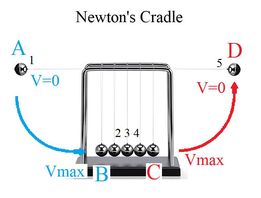
“A” is present whether or not “B” is present. “A” then, is like potential energy that does exist without material content and without motion. The creation of motion is brought about by the existence of “B”. “A” can exist without time and space because or its property of being potential. In order for this potentiality of energy to be released, it must have a precise co-ordinate in space and a sense of awareness to duration in order to experience time. This is the data and it is provided by “B”. In other words, “B” is the informational content that co-creates the physical.
We know that physical awareness exists in the universe because we are ourselves aware. We do not doubt our own existence. It is one of the properties of human experience. I propose that it is also one of the properties of the universe. We can easily see these properties in life. Many living things are obvious to us, but we find it harder to conclude that there is an awareness in inanimate objects as well. Since all objects are made from an atomic structure, does physical awareness exists in atomic structure as well?
Pre-atomic structures experience some of the first events. Wherever events occur, physical awareness must record the change in the objects and codify the information. Before we can have a universe, we need objects and events. An event is an interaction between objects. To have an interaction we need awareness to identify an object or an event. Without awareness, there is literally no event, no data to record. All change contains information. Awareness is the left hand that interprets the information on the right hand. The essential quality for observation or interaction is having an awareness of an object. Objects consist primarily of information. This information is physically coded and eventually it is recognized by our senses. Physical awareness is the first cause for the existence of time and space. All things are objects that are formed by the non-material awareness which has always been present.









 Kenneth Harper Finton