REMEMBERING MAXINE

REMEMBERING MAXINE

DORIS MAXINE HARPER FINTON SACK
born October 18, 1919
died January 20, 2009

It occurs to me that when you are talking about the life of a person and the meaning of the time they spend on earth, you are entering a gray area—a scary place that not many people like to go. You are talking about the evolution of a spirit—the changes that a lifetime makes in a soul. At the same time, you are being judgmental, revealing your own values, beliefs, and patterns of thought in your words and praises— judging how the other person stood up to your own peculiar beliefs and evaluations.

Maxine was one of those rare species of human beings that took pleasure from being in the service of others. Not that she was totally selfless, as few of us are. Not that she was a saint, as none of us have perfect love, perfect lives, or perfect morals. Only the long-dead folks are made saints—and even then, it is only after the life they really lived has been selectively forgotten.

Born in Salem, Oregon, in October 1919 and living into January 2009 mathematically made Maxine 89 years old when she died, but the view outside the window of her person was truly remarkable. She never knew her father, Clinton Byron Harper. He died of Spanish Influenza before she saw the first light of day. She was raised by her mother, Cora Mae Gilmour, a descendant of European royal families that never had the slightest taste or knowledge of the diluted bluish blood that flowed in her veins. Cora took in washing and did people’s laundry during the Great Depression. She struggled hard to raise her three daughters, Florence, Ruth, and Maxine. Cora left Oregon shortly after Maxine’s birth to live in the middle of the Kansas prairie with her father, Hedron Walker Gilmour, a short, thin, and dapper man who loved the arts and entertainment. Hedron was an amateur magician and painter who became another big influence in Maxine’s early years.

After Maxine graduated from the Minneapolis Kansas High School, she moved to Denver, Colorado to live with her older sister Florence. She went to beauty school, though she rarely practiced the trade, just as her mother had gone through optometry school and never practiced that trade. Instead, Maxine waited tables on roller skates and went dancing with her friends as much as she could. It was at one of these dances that she met Ken Finton, an indisputably handsome man with Titian gold hair and a baritone voice to match those golden locks. He would become her husband of over 30 years and the father of her children: Kenny, Billy, and Jean Marie.

Ken would move her to Ohio where they would spend their life together near his family. They were married on November 15, 1941. Just a few short weeks later, Japan bombed Pearl Harbor. This act changed the lives of every American forever.

Maxine did not follow in the footsteps of Rosy the Riveter and go out into the workplace to replace the missing men in the American factories during the war. Instead, she had a baby —namely me—and sat out the war on the sidelines, staying sometimes in small apartments in Cleveland and Greenville, Ohio and sometimes with Ken’s parents. For a while in 1944 and 1945, she lived in Gainesville, Florida while Ken was stationed in Fort Blanding. They returned to Greenville where Ken first found work delivering fuel oil for the space heaters of Darke County’s many farmhouses. Afterward, Ken opened a small gas station with his Flying Red Horse Mobil Oil Company contacts.
Ken’s attempt at an independent life did not last very long. He was forced to take refuge in factory work when a new baby decided to come into the family. The money was not great, but the job was steady and not overly demanding. He worked in quality control inspecting taps and dies for a branch of the Detroit Tap and Tool company called Sater Products. This work lasted he until he retired at 64.

Around 1950, the schools in Darke County consolidated and left quite a few one-room brick schoolhouses vacant. Ken was able to buy one of these abandoned schools and had the idea that he could remodel it into an ideal two-story home with the help of his father and family. However, Ken was not a talented builder. The schoolhouse was divided into four 15×15 rooms with a bath and a hallway, but that is about as far as it went. This was much to Maxine’s dismay. She never liked the dwelling. It remains a schoolhouse on the exterior and a two-bedroom home on the interior to this very day.

Maxine spent the 50’s raising her two boys. There were plenty of instruction manuals on how to do this. Dr. Benjamin Spock had written his famous book that took the world by storm. In 1946, Spock was given the chance to publish his iconoclastic views in The Common Sense Book of Baby and Child Care. Along with everyone else, Maxine and Ken read it, of course.

In the 50s strange new gadgets appeared on the roofs of American houses as television became a household necessity. Leave it to Beaver, Father Knows Best, and The Nelson family’s The Adventures of Ozzie and Harriet did not hesitate to show how child-rearing in the 50s ought to be.

None of these shows were much like our own personal lives, but that did not matter much. With TV in most homes, everyone had a living model of the way things should be. A woman’s place was definitely in the home for everyone but school teachers and nurses. Thus, Maxine stayed home to raise the kids for most of the fifties, though she secretly would have preferred to be out in the workplace. Despite the social norm, Maxine did take temporary work as a cashier at some grocery stores and the five and ten cent store now and then. But in 1956, a new daughter that we named Jean Marie came as a complete surprise to everyone—fifteen years after the first baby—and once again life was changed for all.

As to religious views, the family was for the most part not serious about churches and religions. This changed a bit in the late fifties when Ken and Maxine started studying the Bible with John Timmons and his wife who were Jehovah’s Witnesses. I am not sure what swept them up into this strange, cultish group. It was probably the strong personality of John Timmons more than anything else, but I was young and impressionable and was swept up into this myself at the time. By the time I graduated high school, I had moved well beyond fundamentalist viewpoints, and developed interests in sciences, as well as philosophy, eastern religions, archeology, history, and music.

Ken died suddenly of a severe stroke in 1972. A few years later, Maxine sold off many of her Ohio possessions and moved to 1289 Clayton Street in Denver where she lived in a house that originally belonged to the Muckle family. Maxine’s sister Florence had married Paul Muckle. His parents had both passed away and the big old turn-of-the-century home sat empty at the time. Once again, like the time after Maxine’s graduation, her older sister Florence was there for her in her time of need and confusion. Florence had come to Ohio when my brother Billy was born and we had visited her several times in Colorado—once by train when I was around six and several times by auto when Ken took his vacation.

Maxine remarried briefly to a man named Robert Sack, thus getting another last name to append to the Harper-Finton appellation. Bob died of a heart attack within the first year of their marriage. Bob had moved into the Clayton Street house while Billy and I were in California. They did not get along well because Bob drank a lot and Maxine hardly ever has even a sip of wine. After his death, she remained in the house until Florence became ill with Alzheimer’s and had a serious stroke that left her with aphasia. Then Maxine moved in with Florence until Florence’s business affairs were settled and her many possessions were sold. They both retired to an assisted living facility until Florence became too incontinent for that kind of care. My wife Chaya and I bought a bigger home and moved everyone into that, but Florence only lasted about six more months.

Maxine was petite, 4’11” in her stocking feet. When she was young she looked a lot like Judy Garland. These are the facts and the statistics.

What is missing is the soul of the woman—and who am I to describe the soul of any woman, let alone my own mother?

This I can say: she loved word games and puzzles. She kept her mind extremely active and her brain exercised. She excelled at Scrabble and Word Puzzles.

She always looked on the bright side and hardly ever had a depressing day until the very last when she became ill with ovarian cancer and her pain and discomfort rose to epic proportions.

She easily excused the bad behavior of those around her and loved them anyway, a trait that often drove me to distraction and anger.

Her death came suddenly. In December 2008, she was not feeling well and went into the hospital. They found cancer on the ovaries and the seeds had spread throughout the abdomen. The doctors said she had a very short time to live.

She lasted one more hour after Barack Obama was sworn in as President of the United States.

Chaya and I spent as much time as we could with her. For years we had taken her to different places and vacationed with her from California to Ohio and Kentucky. After she broke her hip in 2002, she entered a nursing home. She came to like Allison Care very much, as there were people there of her age for and her days were filled with games and fun. We brought her back to our home almost every weekend. We took her to Yellowstone one year, Los Angeles and Yosemite another. We often went to Saratoga, Wyoming where we have a motel. Two of her grandchildren lived near the motel. We drove out to see the fall colors every year. We went to see the snow sculptures in Breckenridge every year. We watched the Broncos play football, went to movies, hung around the house, and took her to our musical shows. We saw the Nutcracker Suite ballet in 2007 and went to Garrison Keillor’s show at Red Rocks in 2008.

Those that knew her will surely miss her. She leaves a void that cannot be filled by any other person.

She leaves behind her son Kenny and his wife Chaya, her grandson Robert, her granddaughter Tasha and her great-grandson Zane, who loved to play games with her at every opportunity. She leaves behind her son Billy and her grandson, William Jr. She also leaves behind her daughter Jean Marie, who disappeared in 1998.

Maxine lives on now in our memories, our pictures, and our videos. She is well respected and loved in the minds of all who knew her.

NEW YEAR’S GREETINGS

images

You made it through another year. You lionized another birthday and hoped for many more. You dressed your transgressions in purple robes, tolerated the tolerable, and dreamed another dream. That person that you were last year has passed on to become but a memory. The person you are to be this year is being contemplated as we speak.

I hope you made the proper number of mistakes and hope to make a similar number this coming year. Mistakes mean that we are doing something, perhaps something we have not done before. You are known for your blunders, admired for your accuracy, and vilified for your honesty, as are we all.

Though time flew by, you persevered. Though you did not do it all. you chipped away at it. Say, “Happy new year.” Welcome to the land of beginning again. Keep those thoughts positive, those acts causative, the mind cognitive.

William Whitley and Me

cardboard-house-940x440

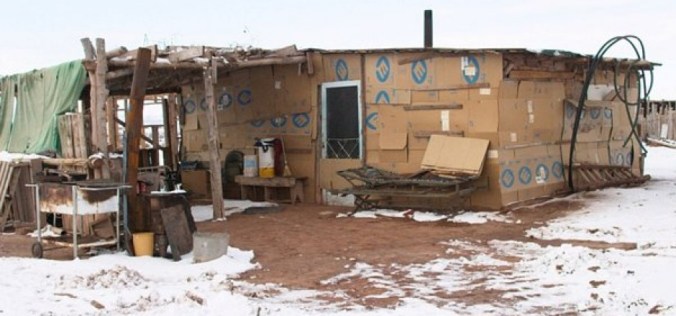
It was a cool September sometime around 1962. I had been playing and singing in London, Ontario, and decided to take a look for my great-grandfather’s graves and place of death to the south in lower Ontario. The relative that I was looking for was Colonel William Whitley. He was one of the first Kentucky pioneers in the days of Daniel Boone. He founded modern horse racing in the United States and made some of the first Kentucky sour mash whiskey. His recipe is still used by Evan Williams and Jack Daniels. He built the first brick home west of the Allegheny mountains as well, but his fame was that of an Indian fighter. The evidence is not conclusive, but eye-witness accounts point to Whitley as being the man who killed Tecumseh at the Battle of the Thames in lower Ontario during the War of 1812.

The death of Tecumseh sealed the fate of the organized Indian resistance to the settlement of the Northwest Territories, as Tecumseh was the leader of this cause. The movement fell apart upon his death. Tecumseh had partnered with the British who were seeking revenge, retribution, and a reclamation of the lands they lost by the success of the American Revolution.

Obviously, Whitley was an important man and I felt that I should try to locate his grave if possible, as he died there in battle and was buried on the battle site. What I did not know was the site was on a Canadian Indian reservation.

Soon after turning onto the gravel roads that led to the battle site a dozen cars filled with young teenagers from the reservation began to follow my car. I sped up.  So did they. When I tried to outrun them, they cut me off and surrounded my vehicle. They were drinking beer and feeling their power.

“What are you doing here? What is your business,” they wanted to know. One of them said. “We are not subject to the laws of Canada here. If we decide to kill you, there is nothing anyone can do about it. We have our own laws.”  He opened his jacket to reveal a nasty-looking pistol.

I quickly told them I was simply looking for the place my Grandfather was buried way back in 1814. “He died here in battle,” I said.

“Was he Indian?” was the response.

As a rule, I like to be truthful at all times, but this was obviously a time when telling the truth would be a very bad idea.

“Yes, he was,” I lied. “Do you know where the graveyard is located?”

“There is no graveyard. You look like a honky to me.”

“It’s been a lot of years. My bloodlines have been mixed since then. I even have some Irish in me,” I said. “English too,” I added, suddenly remembering their British ties of the past and their current status in the United Kingdom. I remember wondering why they still called it a United “Kingdom” when they had only a Queen with little political control over a loose federation in distant countries.

The teenager with the gun took his last swig from the beer can and tossed it to the side of the road. “We’ll let you go, but you take your white ass off this reservation and don’t come back. Follow us.”

He returned to the car and led the way. I followed and behind me was a parade of hostile teenagers.

Driving down the road, I had plenty of time to think about history and the present. Should I even be proud that my great grandfather helped take the lands from the natives? I asked myself. Should I be shocked that white men took native scalps as well in retaliation? How, I asked, is it possible to enjoy doing that?

Maybe they did not enjoy it, I told myself. Maybe they found it to be necessary. How much different was it than cutting off the chicken’s head for Sunday dinner or taking an ax to the cow or pig. Somebody has to do it. Yes, I knew there was a difference. We are talking about what people do to people—but when land gets scarce and populations grow, the natural laws take over and the population disperses.

“If someone else occupies the land, we can share it. There was plenty of land for the white man’s expansions, I thought.” The problem was, that the natives were there and they did not want to change their ways. They had no great architecture, only a few written works, and no literary or artistic record like the European invaders had. Watching the miles roll and the open country reveal itself, there seemed to be plenty of land for everyone even now. I could see how those pioneers who wanted the freedom to own their own land and harvest the fruits of their own sweat would feel about another group that tried to prevent them from doing just that. Tecumseh himself, and then the natives to the West, would all soon learn that the white men would come like swarms of locusts and eat up all the lands that sustained them. Both sides felt themselves to be morally right, as is the case in most disputes.

It was a crossroad in history. My grandfather lived it and I witnessed its effects, Even those who won did not win, as rural life would practically be wiped out within a few centuries and the land would be privately held by the richer and more productive among them.

I was at a loss as to what to do next. “Niagara Falls,” I thought to myself. I’ll go there instead.”

That decision turned out to be another story in itself.


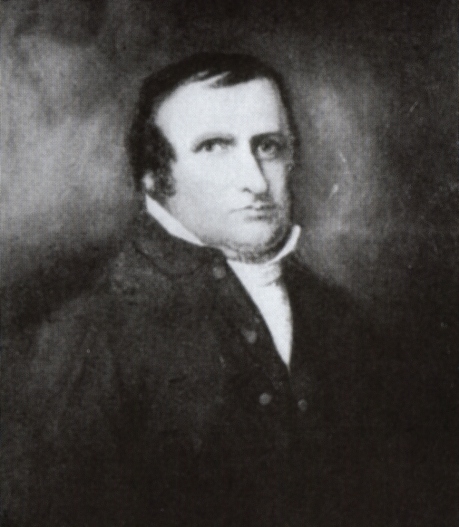
COLONEL WILIAM WHITLEY

wmwhitley

Colonel William Whitley, born August 14, 1749, Augusta County, Virginia; died 5 October 1813 at the Battle of the Thames, Ontario, Canada.

William Whitley was a pioneer in Kentucky in the days of Daniel Boone. He was a tall man with light eyes, sandy hair, and a prominent aquiline nose. In the spring of 1775, accompanied by his brother-in-law, George Clark, Whitley made an expedition into the bowels of the Kentucky wilderness, selected a location on the banks of Dick’s River, and returned to Virginia for his family. He had married Esther Fullen sometime around 1770. She was born May 19, 1755, and was six years younger than he. After scouting the location near a branch of the Dix River called Cedar Creek, they returned to Virginia to prepare their families for a permanent relocation. The families left Virginia in November 1775.

At that time they had two small children, three-year-old Elizabeth (1772), and one-year-old Isabella (1774). Esther and the children rode the same horse, Elizabeth being strapped behind and Isabella carried in Esther’s arms. More than once Esther’s horse stumbled on the rugged terrain and the Whitley girls tumbled in a heap to the ground.

Upon their arrival, Whitley planted 10 acres of corn to establish his claim to the land. After the planting, Whitley and his family moved to the safety of the fort of St. Asaph’s (the present-day town of  Stanford, Kentucky), as Kentucky was still the native American’s hunting ground and attacks upon settlers were both frequent and violent.

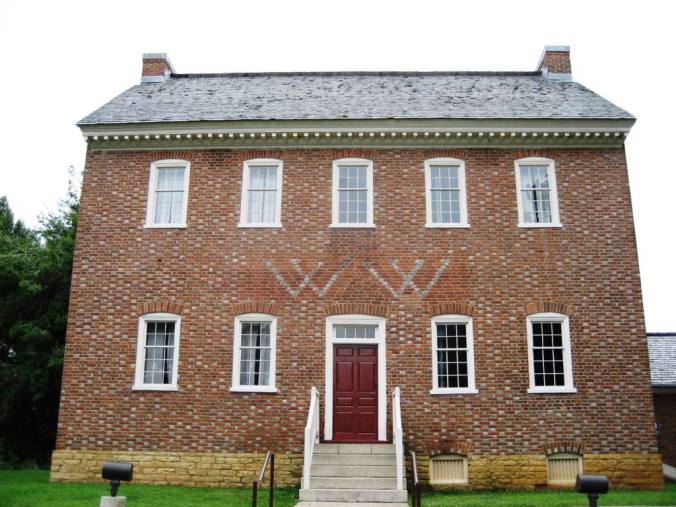
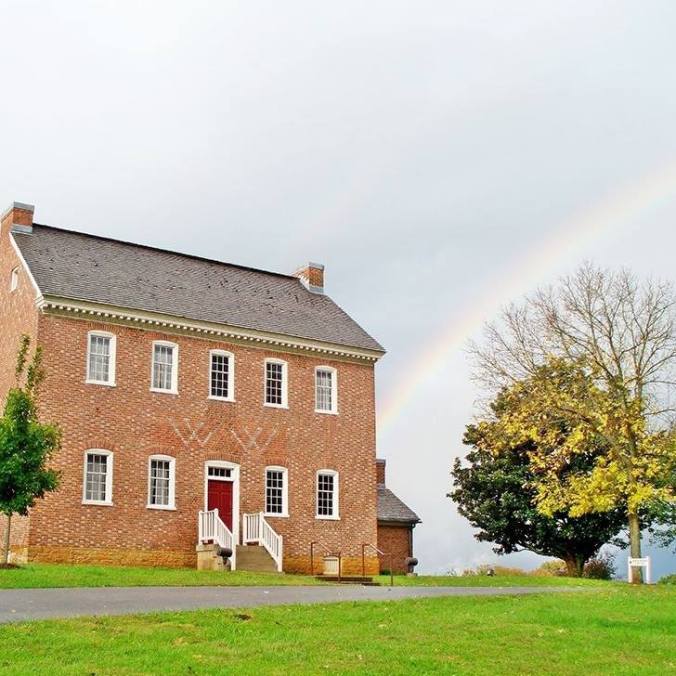
Most of the trip was made in November of 1775. Rain and snow were encountered often. The trip was quite difficult and took thirty-one days to accomplish. Whitley was one of early Kentucky’s most prominent leaders, taking the lead in subduing the Indians and mapping the frontier. He built the first brick house west of the Allegheny Mountains, a veritable mansion with glass painstakingly hauled by pack horses from Virginia. This feat is all the more remarkable considering it was a time when rude cabins and forts were the norms.

It is curious as to what motivated William to go to Kentucky in 1775. Winds of war were flaming fires in Virginia. The American Revolution was about to begin. Whitley, with his anti-British views, would certainly have fought in the Revolution. Perhaps he feared that the colonists would not win and Kentucky would be a safe haven to raise his family without British interference. Certainly, his courageous exploits as a soldier in Kentucky proved he had no fear of—nor moral objection to—war. Whitley was best known for being an Indian fighter. Politics he left to others. Perhaps he, the son of an Irish immigrant, had no use for the revolutionary politics.

By 1779, Whitley returned had for his family and permanently settled on the land he had claimed years earlier.

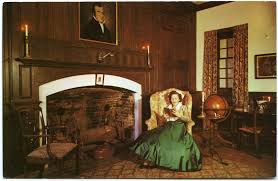
Whitley’s home was well-appointed and professionally designed. A handmade hardwood staircase had thirteen steps to symbolize the original colonies. An escape tunnel was dug in the case of Indian attacks. The windows were all set high enough to deter an attacker from climbing inside.

Whitley would scalp many natives during his career as a militia leader and frontiersman. He volunteered for service in George Rogers Clark‘s expedition against Indians in the Northwest Territory when the Ohio Territory was yet a wilderness settled by Native Americans.

4bwilliamwhitleyhouses-h-s-4housesiler

THE BATTLE OF THE THAMES

Whitley’s last battle was fought when he was sixty-four, during the War of 1812. The Indian confederation, under the leadership of Tecumseh, had joined with the British in a last-ditch effort to stop the ever-expanding white hordes. Whitley, despite his advanced age, answered Governor Shelby’s calls for volunteers, enlisting as a private in Richard Mentor Johnson’s Kentucky Volunteers.

While the main force was deployed to fight the British in lower Ontario, Johnson’s orders were to contain the Indians. Fearing an ambush, he sent out a small unit of twenty men ahead of the main force. This group was called “The Forlorn Hope”. At the head rode Colonel William Whitley. At the first volley, fifteen of the twenty were unhorsed. When the smoke had cleared, both Tecumseh and William Whitley were numbered among the slain.

It is possible, and perhaps it is so, that William Whitley killed Tecumseh at the exact moment that Tecumseh shot him. Some eyewitnesses to the battle claimed that was what happened. However, Richard M. Johnson rode to political fame on the claim that he was the slayer of the great Indian leader. Historians are uncertain, and the deed will be forever muddied in the waters of time. In his 1929 autobiography, Single Handed, James A Drain, Sr. gives a detailed account by Col. Whitley’s granddaughter in which Whitley and Tecumseh killed each other simultaneously.

Whitley was buried near the battleground, in Chatham, Ontario. His horse, Emperor, had one eye and two teeth shot out during the charge. Whitley’s powder horn and rifle were returned to his wife in Kentucky. The rifle is currently on display at the William Whitley House State Historic Site.

battle-thames-3

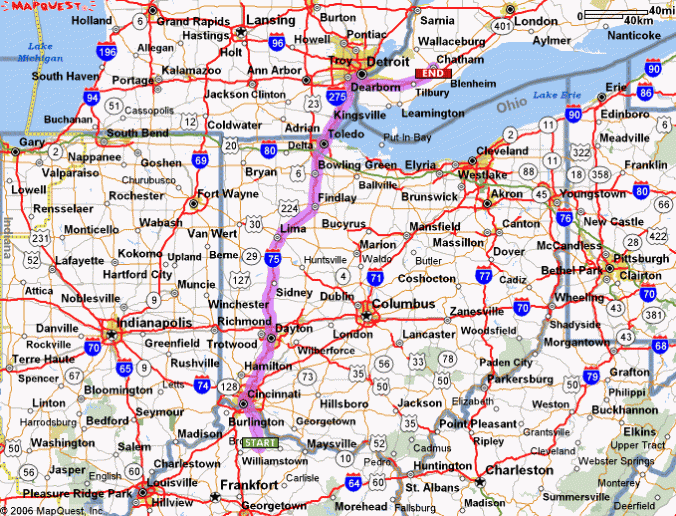
The route that was taken by the Kentucky Militia to the battle in Ontario.

Richard Mentor Johnson later became a Kentucky senator and Martin Van Buren’s vice president. He spent much of his career in debt, although he was able to mortgage properties and avoid prison. His constituents were not so lucky. The financial crisis of 1819 especially hurt farmers and many common people were sent to debtors’ prison. Senator Johnson was outraged, and on this day in 1821, he was responsible for outlawing debtors’ prisons in Kentucky, well ahead of the national curve. After Johnson’s 10-year crusade to end debtors’ prison on the national level, Congress enacted a federal statute in 1832. Johnson said in a speech on the Senate floor: “The principle is deemed too dangerous to be tolerated in a free government, to permit a man for any pecuniary consideration, to dispose of the liberty of his equal.” Bankruptcy protection replaced debtors’ prisons.

13641111_1179899395385394_2565236089948393403_o

Sportsman Hill, the first circular racetrack in the United States.

Whitley called his home Sportsman’s Hill. It was there that he built the first circular race track in the United States. He instituted several racing traditions that changed horse racing in the USA forever. He built the first clay track. Tracks had been turf before Whitley. Being solidly anti-British, he ran his races counterclockwise, as it was the British custom to run them clockwise. American race tracks still run counterclockwise.

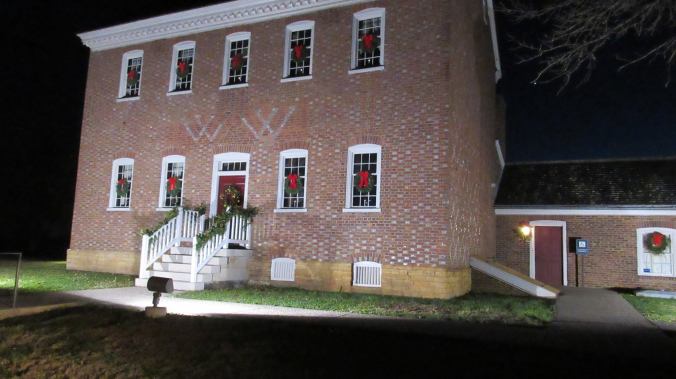
The William Whitley House still stands near Crab Orchard as a Kentucky State Monument and museum.

13615172_1179898435385490_3553319407914075969_n

William and Esther Whitley had eleven children, all of whom survived to maturity.

1. Elizabeth (Mrs. Robert Stevenson) b Virginia about 1830.

2. Isabella (Mrs. Phillip Sublette), b Virginia about 1774, d Kentucky 
about 1820.

Phillip and Isabella's first born son, William, was the famous mountain 
man and fur trader, Bill Sublette, who rose to fame in the far west and 
has vast sections of Wyoming named for him.

3. Levisa (Mrs. James McKinney), b Harrodsburg, KY Feb 24, 1777. Moved to Missouri.

4. Solomon, b Kentucky 1770, moved to Missouri.

5. William, b Kentucky, Apr 20. 1782, d Lincoln Co., KY Aug 23, 1849.

6. Andrew, b Kentucky 1784, d Lincoln Co. 1844.

7. Esther (Mrs. Samuel Lewis), b 1786, d Woodford County. 1815.

8. Mary (called Polly), (Mrs. James Gilmour), b Kentucky 1788, moved to 
Illinois, later to Colorado and Oregon

9. Nancy (Mrs. John Owlsey), b 1790, d prior to 1820 near Crab Orchard.

10. Sally (Mrs. Henley Middleton), b 1792, d 1845 near Crab Orchard.

11. Ann (Mrs. William Harper), b 1795, d Woodford Co., Ky after 1879.

William Whitley was the son of Solomon Whitley and Elizabeth Barnett, 
immigrants from Ireland, who settled in Augusta County, Virginia. He was the oldest of four sons and is thought to have had five sisters as well.
William Whitley was killed at the Battle of the Thames, Lower Ontario, 
Oct 5, 1813. His wife, Esther died at the home of her daughter, Ann Harper, in Woodford County, Kentucky, Nov 20, 1833

SOURCE: The Draper MS. 9 CC 5, 12-13, State Historical Society of Wisconsin. Family Bible of William Whitley, Jr. Filson Club, Louisville, KY.

[My personal connection to this family is through #8, Mary (called Polly).She married  James Gilmour, b Kentucky 1788, moved to Illinois, later to Colorado and Oregon. Polly’s son, William Whitley Gilmour was the father of Hedron Walker Gilmour, my grandfather on my mother’s side. The famed mountain man William Sublette was also a grandson of William Whitley.]


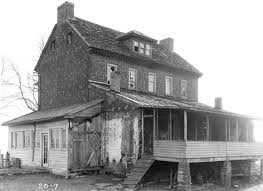
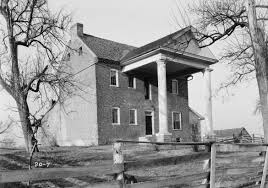
The home went through many changes over the years before the State of Kentucky took possession and restored it as a museum and historical park.

images-1    images-2

images

15403874_1362611730447492_1484140698399166217_o

THE TRAGIC STORY OF NOWHERE MAN AND WHISKEY GIRL


[Several years ago I came upon this story of a married duo on Facebook. It seems that Amy had died from a blood infection and her partner, Derrick, killed himself a few days later. The entire drama of their demise took place in social media.

The story still haunts me. Their Facebook page still exists at  https://www.facebook.com/Nowhere-Man-and-a-Whiskey-Girl-32839047843/ -KHF]


It began with a post from Amy Ross on  FACEBOOK.

AMY: Hey kids! Bad news! I died this morning and Derrick didn’t know how to tell you. I love you all and hope you go out and be nice to someone. Funerals are a bore so hopefully I don’t have one. Give Derrick some space… He stinks at this stuff so leave him be for now. Thanks for all the kindness… Please spread it around. -Whiskey

Juliya Pogrebinsky Listening to you was one of my absolute favorite things about Bisbee. It’s been a great privilege and a joy to have known you even a little bit. Much love and condolences to Derrick and the family.
October 14 at 7:25pm · 3

  1. Sorry to bring more bad news but Derrick decided to join me at some point in the night last night. I thought it best you heard it from me. Enjoy every sandwich. We love and will miss you all. Go be nice to someone for us.
    1. Charlene Mitchell No! This cannot be true. Please stop!
      22 hours ago
    1. Juliette Beaumont Oh dear God. Although somehow I am not surprised by this. They were inseparable in both life and now death. Rock on lovers!
      22 hours ago · 4
    2. Bill Higgins This is not funny. Was the page hijacked?
      22 hours ago · 1
    1. Bill Higgins According to Joel Carp
    2. This is not a hoax or hijacking. The police and ambulance showed up at their place about 45 minutes ago.
      22 hours ago
  1. Olivia Herman What!!???? Who’s posting for Amy Ross on FB? There are going to be a lot of VERY relieved but VERY pissed off people, if it comes out that this is a terrible prank.
    1. Rebecca Higgins Oh my lord, this cannot be happening! So so sad.
      21 hours ago via mobile

Nowhere Man and Whiskey Girl had ceased to be. Amy had an ongoing battle with Lupus and had to undergo frequent dialysis. She died from a blood infection. Derrick took his own life later that night. She was 40, he was 39.


Amy and Derrick Ross

Amy and Derrick Ross, “Nowhere Man and Whiskey Girl” Amy and Derrick Ross, the Bisbee couple behind popular folk/Americana duo Nowhere Man and a Whiskey Girl, have died.

Amy Ross, 40, died Monday. According to the Arizona Daily Star, the vocalist and keyboard player, who performed as “Whiskey Girl,” passed away at Tuscon Medical Center from a “blood infection brought on by ongoing dialysis.” She also suffered from Lupus. Derrick Ross, 39, who was “Nowhere Man” in the act and played acoustic guitar, reportedly committed suicide sometime Monday.

News of both of their deaths came via social media, albeit in a peculiar fashion, wherein Amy Ross seemingly announced the couple’s deaths from beyond the grave.

An update to Amy’s Facebook page on Monday evening stated the following:

Hey kids! Bad news! I died this morning and Derrick didn’t know how to tell you. I love you all and hope you go out and be nice to someone. Funerals are a bore so hopefully I don’t have one. Give Derrick some space… He stinks at this stuff so leave him be for now. Thanks for all the kindness… Please spread it around.

Whiskey

Reaction to the post was a combination of shock, surprise, and disbelief from her nearest and dearest. One person claiming to be a family member stated it was a hoax and that she was alive.


See Also: Comedian Doug Stanhope on the Death of His Friends, Nowhere Man and a Whiskey Girl

Earlier today, a second update was made to Amy Ross’ page that suggested her husband had taken his own life.

Sorry to bring more bad news but Derrick decided to join me at some point in the night last night. I thought it best you heard it from me. Enjoy every sandwich. We love and will miss you all. Go be nice to someone for us.

Stand-up comic Doug Stanhope, who lived next door to the couple in Bisbee and was both their landlord and close friend (as well as featuring them at some of his gigs), confirmed via Twitter within minutes of the second Facebook post that Derrick Ross had taken his own life.

UPDATE: It’s been reported by Tucson media outlets that Stanhope had access to Amy’s page and was the one who made the updates.

Amy and Derrick Ross

Amy and Derrick Ross


World Class Thugs and Psycho Square Dance performed many gigs with “Nowhere Man and  Whiskey Girl”. Their guitarist and vocalist, Jim Dustan,  posted the following on Facebook:

I remember the early days and the Bisbee days. We shared some treasured moments growing up. I will always cherish the way your music made me smile and how it inspired me. RIP Amy (whiskey girl) and Derrick (nowhere man), may you both find peace. Until we meet again someday.

Without a doubt, they were one of Arizona’s best acts in the Americana vein, offering a sometimes joyful, sometimes poignant pastiche of down-home lonesome, rootsy touches, and indie quirk that was made even more emotional by Amy’s meanderingly dulcet vocals.

The husband-and-wife duo, who were married for more than a decade, were self-described as a “couple of wanderers” who previously resided in Oregon and Tennessee. They formed the act in 2003, drawing its name from the Gillian Welch country song “Whiskey Girl.”

Although based in Bisbee (where they were regulars at the Copper Queen Hotel’s lounge), Nowhere Man and a Whiskey Girl were musical vagabonds who exhaustively traveled throughout Arizona for performances in Tucson, Flagstaff, and Phoenix. In 2009, they even participated in an episode of our now-defunct Sun Session series.

Singer-songwriter Brodie Foster Hubbard, a former Valley resident who shared the bill with Nowhere Man and a Whiskey Girl on several occasions, says that he hopes that the couple’s fans will “honor the spirit of what Derrick and Amy shared and the joy they put into their music,” instead of just focusing on the weird circumstances involving their deaths.

“The whole situation is surreal. With Amy, it’s not so shocking, because she has had health issues for a long time. It’s still very saddening, of course. But with Derrick, that’s shocking,” Hubbard says. “You can follow the logic, anyone in a deeply committed relationship would probably say they couldn’t go on without their partner. And other folks who have experienced that loss, I’m sure that option has crossed their mind. So it’s not unthinkable. It’s no less horrible, though.”

He also hopes the couple’s friends and fans will able to cope with their loss.

“The best-case scenario in these situations is that we bond and listen to our favorite songs, and cry and laugh over our memories, and we make pacts to stay in better touch and be there for each other,” Hubbard says. I’d really like to see us all see that through.”


Here’s how the duo’s website, no longer active, describes how the name was derived:

When Derrick and Amy Ross began performing as Nowhere Man and a Whiskey Girl in early 2003, their intentions were simple enough: Select a name that hinted at their roots in the American West and established their identity as a determinedly two-person operation.

The name also cast them as a couple of wanderers, too intoxicated with the possibilities of someplace else to settle down. In that sense, the name would prove prophetic as it charted the course of the next five years of their lives.

Unable to locate a satisfactory permanent home, they accumulated more than their fair share of temporary addresses. When it wasnt the pony-trail towns of Bisbee, Tucson, and Willcox in the Arizona Territory, it was cooler locales like Corvallis and Nashville. Upon the release of their debut album, they hit the road for weeks at a time, bypassing the metropolitan centers in favor of the oft-neglected smaller towns in between.

Wherever they went, they brought a simple musical proposition: Her piano and voice, his acoustic guitar, a love of lifes little details, and a sense of humor. Although they traversed a landscape of bleached-husk desolation, they arrived none the worse for wear. Their longing for home unfulfilled, they found something of greater value along the way. They found a legion of like-minded hopeful searchers who believed in what they had to say and how they said it…

BACKSTREET


A music video Ken Finton made in 1998 that it still as appropriate today as it was then.


Sweet Carolina Lee was a lonely girl

Who could not wait to play in a grown-up world.

Then one day she ran away

from her Daddy’s mansion.

She couldn’t wait to get away

Looking for some action.

There is a back street in every city.

(What’s going down there sure ain’t pretty.)

With every stranger, there is a danger.

(Take your money and leave you lying there.)

You meet the user, you find the losers.

(People hurt by their past abusers.)

And as you wonder, it sweeps you under.

(Hell lies in wait for all who blunder there.)

Some say that all things come to those who wait.

Some the early bird is the one who ate.

Back-street folk, they have no views:

They grab whatever passes.

Carolina has no chance.

They found her broken glasses.

Sweet Carolina, don’t you hear it callin’!

Sweet Carolina, don’t you hear it callin’!

There is a back street in every city.

(What’s going down there sure ain’t pretty.)

With every stranger, there is a danger.

(Take your money and leave you lying there.)

You meet the user, you find the losers.

(People hurt by their past abusers.)

And as you wonder, it sweeps you under.

(Hell lies in wait for all who blunder there.)


AVAILABLE ON iTUNES AND OTHER SITES

https://itunes.apple.com/us/artist/the-fintons/id49618690

https://www.amazon.com/Back-Street/dp/B0015FPXH4

www.cdbaby.com › The Fintons

THE FINTONS ON SPOTIFY


WHERE DO YOU FIND FUNK? NEBRASKA, OF COURSE

funk__ne


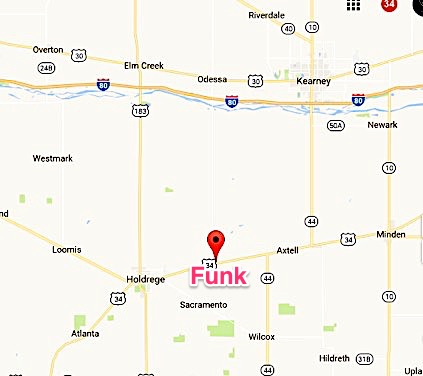
Those swishing through Nebraska on Interstate 80 will not see Funk. The only way I found it was coming up from Kansas on US 34. When the “Welcome to Funk” sign appeared before me, I had to stop and see what Funk was really like.

It is a town of less than 200 people surrounded by the corn industry. A huge concrete grain shipping and storage facility if the heart of the economy.

As expected, Funk was named for P.C. Funk, a Civil War veteran who bought some land to foster a townsite for a branch of the Nebraska-Colorado Railroad (now known as the Burlington Northern). The town lived on through three major fires, the  serious droughts during dust bowl problems in the 1930’s, and the Great Depression.

Today, some well-kept Victorian homes still grace the central park and a small downtown section keeps a few residents occupied.  It is a place where there is no rush and time moves slowly as in the decades that have passed since its founding.

Below is a short video of Funk today.


“ANNIE GET YOUR GUN” IN RETROSPECT

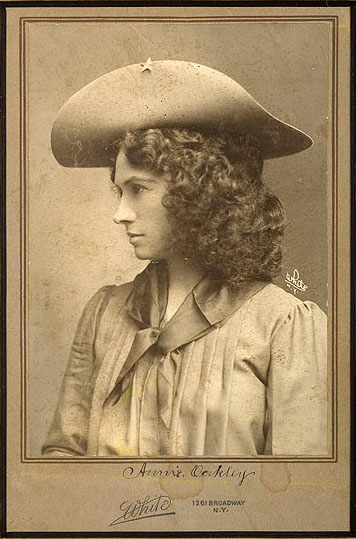
ao-photo1

The musical “Annie Get Your Gun” has a interesting and turbulent history. The idea for the musical occurred to Dorothy Fields, the daughter of a Polish immigrant named Lew Fields who worked in vaudeville and became a respected and successful Broadway producer.

Dorothy Fields was a lyricist who wrote the words to such songs as “I Can’t Give You Anything But Love” and “The Sunny Side of the Street” with composer Jimmy McHugh.

Her work with Jerome Kern produced the successful song “Lovely to Look At.” They worked together again on “The Way You Look Tonight: which earned an Academy Award for best original song in 1936.

In 1935, the movie “Annie Oakley” starring Barbara Stanwyck came out based on the story by Dorothy Fields’ brother, Joseph Fields. Soon Dorothy became interested in seeing Annie’s story become a musical that would star her friend Ethel Merman. Mike Todd turned her script down, so she approached Richard Rogers and Oscar Hammerstein II who were freshly invigorated with the success of their musical “Oklahoma” . Rogers and Hammerstein had decided to become producers of both their own works and the works of others. They agreed to produce the musical and asked Jerome Stern to create the music. Dorothy Fields would do the lyrics and she would write the book with her brother Joseph who would later write “Gentlemen Prefer Blondes” and “The Flower Drum Song”, among many other famous screenplays.

This selection began the rocky path that eventually led to “Annie Get Your Gun”. Kern collapsed from a stroke and died in 1945. Rogers and Hammerstein had to replace Kern, so they asked Irving Berlin to step in and take over the play. Knowing that Irving Berlin wrote both the music and words, Dorothy Fields stepped down as lyricist, but Berlin was not certain that he could write the songs that had to fit into a specific scene in the show. Oscar Hammerstein convinced him to try anyway, so Berlin came back with the songs “Doin’ What Comes Naturally”, “You Can’t Get a Man With a Gun” and “There’s No Business Like Show Business.”  Berlin mistakenly did not think that Richard Rogers liked the show business song and dropped it from the libretto. However, during the development of the show, the song was added back and has become a timeless classic.

Ethel Merman played Annie on Broadway and in three years missed only three performances.

The musical was a great hit, It started on Broadway in 1946 and ran for 1147 performances. It had more hits songs than any other Broadway play and was Irving Berlin’s greatest success.

When the time came to make a movie of “Annie Get Your Gun”, Dorothy’s friend Ethel Merman was not even considered for the movie by MGM. Though Doris Day and Judy Canova wanted the part, MGM wanted Judy Garland for the lead role. MGM producer Arthur Freed had paid $650,000 to Irving Berlin for the movie rights just to cast Garland into the title role. Garland shot some scenes as the lead actress, so MGM thought they could bring in an unknown to play Frank Butler. Both John Raitt and Howard Keel auditioned for the role, but Keen got the part. The director, Busby Berkeley insisted that Keel ride his horse on the set over a slick floor, and on the second day of shooting, Keel broke his leg while they were shooting by falling off his horse on the set. They had to shoot close-ups of Keel and Judy Garland was offended that the unknown actor was getting so much attention. Judy was having severe problems with drugs and alcohol addictions as well. Freed eventually fired Busby and brought in Charles Walters who had successfully directed Garland in “Easter Parade”. Judy Garland was convinced that she could not get the performance right after watching the rushes. She could not conquer her addictions nor get to the set on time. MGM felt they had no choice but to fire her. Since Garland was a superstar at the time, firing her was something no one expected. Garland went into a mental hospital and the movie was put on hold.

To add to the confusion, Frank Morgan (the Wizard in “The Wizard of Oz”) was playing Buffalo Bill. He suddenly died in the middle of the film. Only a few shots could be saved from the production. George Sydney suddenly replaced Charles Walters as the director by orders from MGM. They basically had to start all over again with the film, this time with Betty Hutton in the lead role.

The movie had good box office success, but Betty Hutton did not get the best of reviews when compared to the original Broadway role played by Ethel Merman. A dispute between the Irving Berlin estate and MGM kept the film out of circulation from 1973 to 2000. By that time. Merman’s performance was history and Hutton was accepted. A new production with Bernadette Peters and Reba McIntire brought Annie back to a new generation.

The hit songs generated by “Annie Get Your Gun” are quite staggering. Few musicals, have come close to the mass appeal of the songs in this production.

YOU CAN’T GET A MAN WITH A GUN

Written by Irving Berlin

Performed by Betty Hutton

DOIN’ WHAT COMES NATUR’LLY

Written by Irving Berlin

Performed by Betty Hutton

I’M AN INDIAN TOO

Written by Irving Berlin

Performed by Betty Hutton

I GOT THE SUN IN THE MORNING

Written by Irving Berlin

Performed by Betty Hutton

ANYTHING YOU CAN DO

Written by Irving Berlin

Performed by Betty Hutton and Howard Keel

THEY SAY IT’S WONDERFUL

Written by Irving Berlin

Performed by Betty Hutton and Howard Keel

THERE’S NO BUSINESS LIKE SHOW BUSINESS

Written by Irving Berlin

Performed by Ensemble

COLONEL BUFFALO BILL

Written by Irving Berlin

Performed by Chorus

MY DEFENSES ARE DOWN

Written by Irving Berlin

Performed by Howard Keel

THE GIRL THAT I MARRY

Written by Irving Berlin

Performed by Howard Keel

GRANDMA’S HEALTH

1453664626546-c15

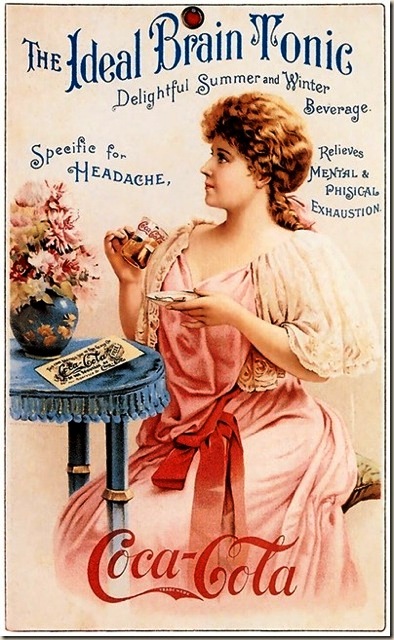
Grandma had a headache, but she treated her brain well by drinking Coca-Cola, and then, as she would tell, she gave some to my father … and he …in turn … to me.  She had her own traditions and she kept them to a tee.

Coke elixir with her liquor. She drank it straight or mixed, ’cause she was the kind of person that liked to see things fixed. She did not total all her tees, she did not shirk her pleasures. She also felt that earthly pain should not become a treasure.

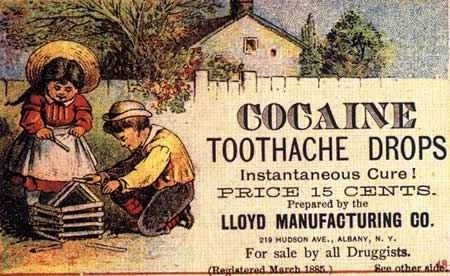
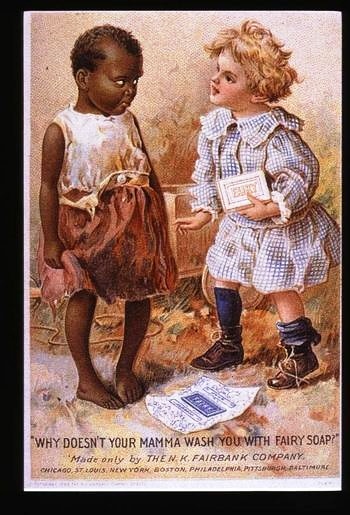
1453664534570-c11When great-grandma had a toothache, Grandma knew just what to do. She bought those cocaine toothache drops and placed them on her tooth. She liked those folky remedies, she liked her living fables that let live her life as clean and right as she was able.
1453664413049-c5


950 YEARS AGO

bayeuxtapestryodowilliamrobert

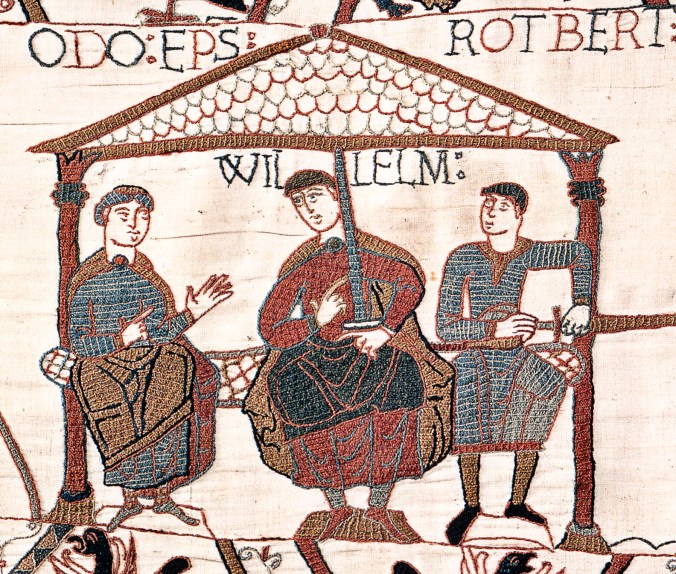
Image from the Bayeux Tapestry showing William and his half-brothers. William is in the center, Odo is on the left with empty hands, and Robert is on the right with a sword in his hand.

September 28. 2016. William, Duke of Normandy, landed on England’s shores 950 years ago in 1066.


Excerpt “From Tribes to Nations“:

Henry I

*********************************

|                                                                                      |

William the Conqueror                                                            m 1047 Matilda of Flanders

b 1027, Falaise Castle, Normandy b 1035

d 9 Sept 1087 near Rouen d 2 Nov 1083

reigned 1066-1087

Duke Robert of Normandy, a fourth-generation descendant of Rollo the Dane, was riding toward his capital at Falaise one morning when he saw Arlette, the beautiful young daughter of a tanner from his estate. The young maiden was washing linens beside a stream. Although the duke was already married to a woman of rank and quality, Robert fell in love at first sight with the sinewy Arlette. He whisked her away to his castle and lived with her for the rest of their natural days. To this union was born an only son, William, to become William I of England, called the Conqueror, the man who brought an end to the Saxon rule and established a new system of feudal economics based upon land and service to the king.

In 1034, Robert decided to make a pilgrimage to Jerusalem. Before leaving, he persuaded the Norman barons to accept William as his successor. Robert died on his journey, leaving seven-year-old William as Duke of Normandy. In these harsh times, a  minor’s claim to entitlement was precarious. One by one, the great barons who had vowed to protect him came to violent ends. Rival ambitions stirred through Normandy.

Were they to be ruled by a bastard? Was the grandson of a tanner fit to rule over warlords and feudal knights?

The taint of bastardy hung over William for many years, hardening and embittering him. Many years later, at the siege of Alencon, the imprudent citizens of the besieged town hung skins over the fortifications, shouting, “Hides, hides for the tanner.” William was so angered by this taunt that he devastated the town and had the principal inhabitants flayed alive.

William was raised in a hard school of suspicions, intrigue, and constant combat. By the age of twenty he was a skilled military commander, aiding his overlord, Henry I of France, in stamping out rebellions with a precocious aptitude for government and war.

In 1051, William visited England and received from Edward the Confessor, his kinsman and King of England, a promise of succession to the English throne. He sealed this promise and strengthened his claim by marrying Matilda, daughter of Baldwin V of Flanders, who traced her descent from Alfred the Great.

In 1064, Harold, thane and possible successor to Edward of England, was driven by winds to the coast of France and shipwrecked on lands held by the Count of Ponthieu.

The count thought he had stumbled upon a rich treasure, attempting to hold Harold for a considerable ransom. William interceded on Harold’s behalf, first by civil request, then by armed command, until the count reluctantly presented Harold to the Norman court.

Friendship sprang up between Harold and William. They were often seen laughing and hunting together with falcons on their wrists, or playing together in sport. After Harold’s assistance under William against the Britons, William knighted his friend, but William’s wary eyes never forgot to look forward to English succession. He considered the power that Harold wielded under Edward and realized how easy it might be for Harold to become king if he happened to be present when Edward died. William asked Harold to swear an oath to renounce all designs upon the English crown, swear his allegiance to William as his king, and receive the earldom of Wessex as a reward for his service.

Legend has it that the significance of this oath of Harold to become William’s vassal was enhanced by the concealment of a sacred relic under the table where the oath was administered. The bones of St. Edmund served to make this a super oath, a sacred obligation, and although the presence of the bones was not known to Harold, it was binding through Christendom.

William’s marriage to Matilda, in a direct affront to a papal directory prohibiting those born out of wedlock to marry into nobility, gave William another powerful ally on his eastern front –Matilda’s father, Baldwin, Count of Flanders, called “Le Debonair”.

Papal dispensations were finally granted for the marriage by Pope Nicholas II in 1059.

Meanwhile, back in England, Harold was becoming increasingly successful at conducting the government. In January of 1066, just before drawing his last breath, Edward the Confessor commended Harold as his best possible successor despite his alleged promise to William.

Harold had only a trace of royal lineage and every aspiring thane who heard of Harold’s elevation took it as an affront to his birthright. At the moment of Harold’s coronation, a strange hairy star, now known to have been a spectacular appearance of Halley’s Comet, appeared in the heavens. The feudal world buzzed with superstition. The entire structure of feudalism rested on the sanctity of oaths, and Harold had broken his oath.

Harold’s banished half-brother, Tostig, took the word of these events to Canute’s successors in Norway who were eager to revive their attempt to conquer England. Suddenly, Harold was confronted with a double invasion, one from William to the south––seeking his inheritance––and one from Tostig and Hardrada from Norway. In September of 1066, the battle began.

At Stamford Bridge, the Norsemen kept their shielded formations for a while––then, deceived by a feint, they opened their shield ramparts and advanced. This is what Harold was waiting for. Hardrada was hit by an arrow in the throat and Tostig took command.

At this point, Harold offered his brother peace, but it was refused.

Harold went on to win the Battle of Stamford Bridge, his brother paying with his life for his treason. Never again would a Scandinavian invasion seriously threaten the power of an English king. But at the moment of victory, Harold received these ominous words from a messenger: “William the Bastard has landed at Pevensey.”

William had planned his invasion with machine-like precision, yet at the last moment, they were held up from departure by a lack of winds. For six weeks no wind blew on the French coast. William’s army bickered and became restless. The invasion plans were only held together by William’s promises of spoils for the victors. Finally, the bones of St. Edmund were hauled out again and brought to the shore with much ceremony.

The next day the winds blew toward England and the great army landed unimpeded upon English soil.

Physically, William was tall, big-boned, and portly with a dignified presence. He wore his hair short-cropped and had a trim mustache. As he stepped out of the boat and onto the English shore, William tripped and fell flat on his face. Sheepishly, he turned around what some could have called a bad omen by saying: “See, I have taken England with both of my hands.”

Meanwhile, Harold and his depleted Saxons had to march two hundred miles in seven days, gathering what forces they could. On the evening of October 13, 1066, he took his position on the slope of a hill near Hastings and barred William’s march on the capital.

The Saxons were infantry, fighting with the traditional instruments of war that gave them their name, the ax and the spear. The Normans were primarily cavalry, five to six thousand Norman knights, and several thousand archers against the shields and axes of ten thousand Saxons.

As the battle began, Ivo Tallifer [Pons Taliaferro], a minstrel knight, claimed the right of first attack. He advanced up the hillside before the enemy by himself, twirling his lance and throwing his sword into the air, catching it like a juggler in front of the astonished Saxons. Finally, a song on his lips and a battle cry in his throat, he charged into the English ranks, riding into the pages of history as the first to be slain at the Battle of Hastings.

The Norman offense fell hopelessly upon the Saxon shields, huddled in mass upon the open plain. Rains of arrows took severe tolls, but the Saxons were so densely packed that the wounded could not fall to the ground.

William, borrowing from a tactic used by his opponent only days before, feinted a retreat. The deceived Saxons broke ranks and pursued the Normans. William then turned with terrible fury and cut the Saxons to pieces. Harold was pierced in the right eye by an arrow’s fall. His naked body, wrapped in a robe of purple was hidden in the rocks. The Norman invasion was victorious. October 14, 1066, became a decisive day in world history and a milestone in the history of the western world.

William and his Norman lords introduced England to a new system of land tenure based upon military service. The old Saxon lords were thrust out and Normans took their place. In 1086 William ordered a complete inquest into the wealth of the country to be written into the Domesday Book. Many a village and town of the countryside received their first mention in the important record of medieval worth.

Queen Matilda proved a good regent at Rouen but was plagued by her rebellious sons who could not wait for their father’s death to inherit their titles and lands. William’s son Robert, banished from Normandy for conspiracy and rebellion, took refuge with King Philip and was pursued by his father. Visors drawn, sword and mace in hand, father and son met in combat. Robert wounded William in the hand and would have killed him but for the interference of an Englishman who came to the aid of his King.

Matilda died in 1083, leaving William more melancholy and fierce than before. His years of war and life of quelling rebellions came to an end in 1087 at Mantes. The town caught fire during the sack and William’s horse stumbled in the burning ashes, crushing William against the pommel of the saddle. He was carried in agony to Rouen where he lay through the summer heat, fighting for his life and failing steadily. His sons William (Rufus) and Henry came to him as death neared. William Rufus was named successor to the crown. Robert could rule Normandy at last. Henry was given five thousand pounds of silver and the promise that one day he would reign over a united Norman–English nation.

On September 9, 1087, William ceased his warring.

tribes

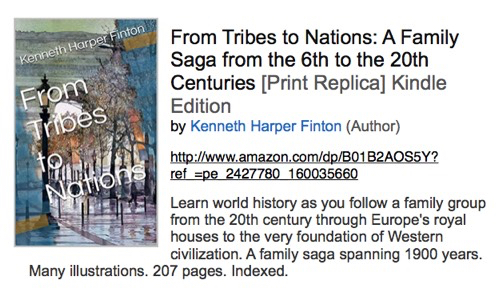
https://www.amazon.com/Tribes-Nations-Family-Sage-Cenuries-ebook/dp/B01B2AOS5Y


FURTHER READING:

“Edward the Confessor was the last Anglo-Saxon king of England, but he had close ties with the continent: his mother was Norman, and he had spent many years in exile in Normandy. Edward had no heirs and had likely named William – who was his first cousin, once removed – his successor in 1051. But Edward also liked to dangle the succession in front of other nobles to strengthen political alliances. The last man he promised it to was Harold Godwinson, the Earl of Wessex and the richest, most powerful man in England. Even though Harold had publicly sworn to uphold William’s claim a few years before, he was elected by the Anglo-Saxon witanagemot, or high council, and crowned after Edward’s death in January 1066. Naturally, all the other people who felt they had been promised the crown disagreed. Harold’s brother Tostig, who had been exiled, joined forces with the king of Norway to invade the north of England. King Harold’s forces were depleted by the end of the summer, both because they were running out of supplies, and because the peasants were needed to bring in the fall harvest. When Harold led his army to Yorkshire to fight Tostig’s invasion, the south was ripe for the picking.

“William of Normandy, meanwhile, had been raising support on the continent. The pope, as well as the Norman aristocracy, backed his claim to the English throne. With a force of thousands of cavalry, infantry, and archers, he crossed the English Channel and landed at Pevensey, in Sussex. From there, he went straight to Hastings, where he began construction on a castle and waited for Harold to return from the north. Harold and his infantry arrived in Hastings on October 13, and the battle began the next day. Harold’s men were well trained and the Normans didn’t make much progress breaking through their shield wall at first. When the rumors started flying that William had been killed, many Norman troops broke ranks and retreated, until William took off his helmet, showed them he was still alive, and rallied them. It was the death of Harold – traditionally believed to be by an arrow through the eye – that ultimately led to the defeat of the Anglo-Saxon army and ushered in a new era for England.

“Battles continued for the next several weeks, as William made his way to London. He negotiated with various powerful Saxons as he went, offering positions in exchange for their support. He was crowned at Westminster Abbey on Christmas Day, 1066, although he ruled in absentia for most of his reign. He largely replaced the English aristocracy and clergy with Norman ones; he retained the judicial system and the governmental structure set up by the Anglo-Saxons but gave the offices to Normans. The vernacular language of the Anglo-Saxons was relegated to the commoners, as Latin and then French became the official languages of the law, the royal court, and the government. At first, the Norman nobility never really bothered to learn Saxon English, and the result was a class distinction in the use of the languages. For instance, “cows,” “pigs,” and “sheep” were the names for the livestock that the Saxon lower classes raised on the farms. “Beef,” “pork,” and “mutton” all come from the French-speaking Norman nobility, who were served those same animals on a platter. Eventually – mostly through intermarriage – the two languages blended and became the “English” that we speak today.

“In about 1085, near the end of his reign, William commissioned a survey of all the lands and holdings in England and parts of Wales. It came to be known as the Domesday Book, and it’s the earliest existing public record in England.”

-The Writer’s Almanac, September 28, 2016

YOU MIGHT BE DEALING WITH BIMBOS

img_3297

bim·bo
ˈbimbō/
noun informal
noun: bimbo; plural noun: bimbos; noun: bimbette; plural noun: bimbettes
1an attractive but empty-headed young woman, especially 
one perceived as a willing sex object.


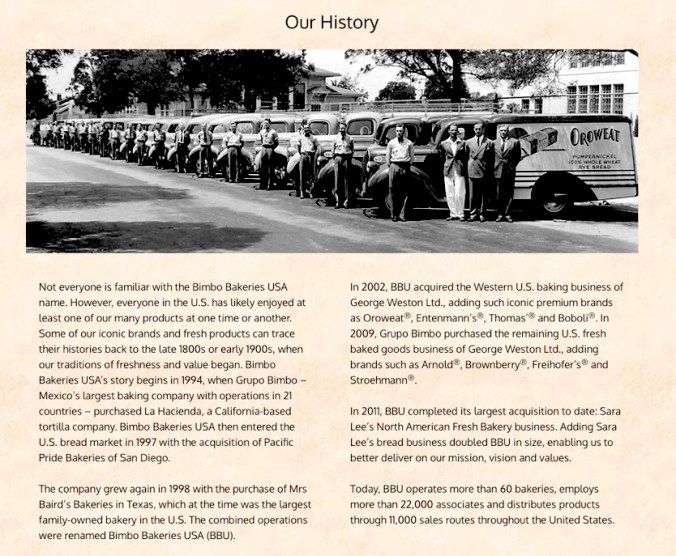
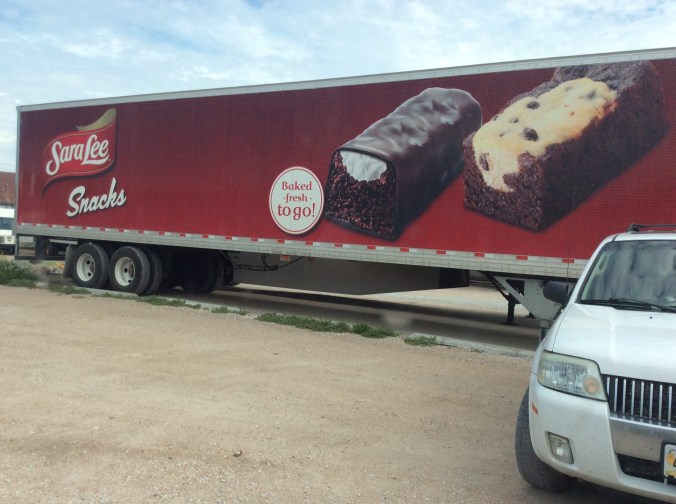
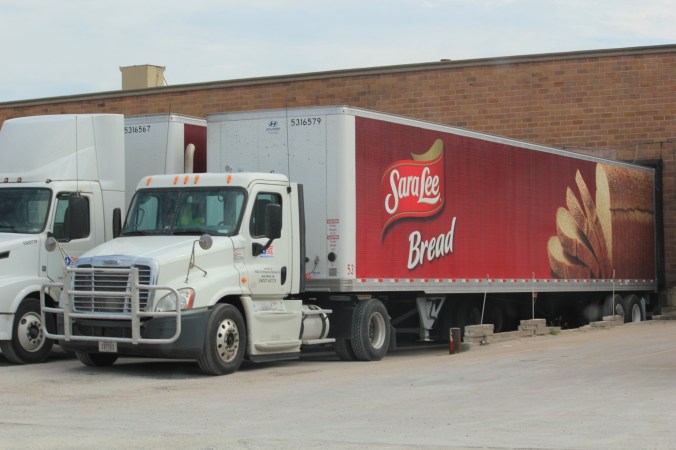
Bimbo Bakeries USA is the American corporate arm of the Mexican multinational bakery product manufacturing company Grupo Bimbo. It is the largest bakery company in the United States. The company, headquartered in Horsham, Pennsylvania in the Greater Philadelphia region, owns six of the top twelve fresh bread brands in the United States, including Entenmann’s, Sara Lee, and Thomas’. It is also a top advertising sponsor for many major soccer teams around the globe.

The name Bimbo was first coined for the company in 1945 by mixing of the words bingo and Bambi. Bimbo’s innocent, childlike associations fit the image the company wished to build. The English word bimbo, with its negative connotations, has no such meaning in Spanish.

FROM WIKIPEDIA:

The word bimbo derives itself from the Italian bimbo, a masculine-gender term that means “(male) baby” or “young (male) child” (the feminine form of the Italian word is bimba). Use of this term began in the United States as early as 1919, and was a slang word used to describe an unintelligent or brutish man.

It was not until the 1920s that the term bimbo first began to be associated with females. In 1920, composer Frank Crumit recorded “My Little Bimbo Down on the Bamboo Isle”, in which the term “bimbo” is used to describe an island girl of questionable virtue. The 1929 silent film Desert Nights describes a wealthy female crook as a bimbo and in The Broadway Melody, an angry Bessie Love calls a chorus girl a bimbo. The first use of its female meaning cited in the Oxford English Dictionary is dated 1929, from the scholarly journal American Speech, where the definition was given simply as “a woman”.

An unintelligent man can be referred to as a “himbo” or “mimbo” (a male bimbo), a backformation of bimbo.

bimbo-baking

img_0361img_3299